
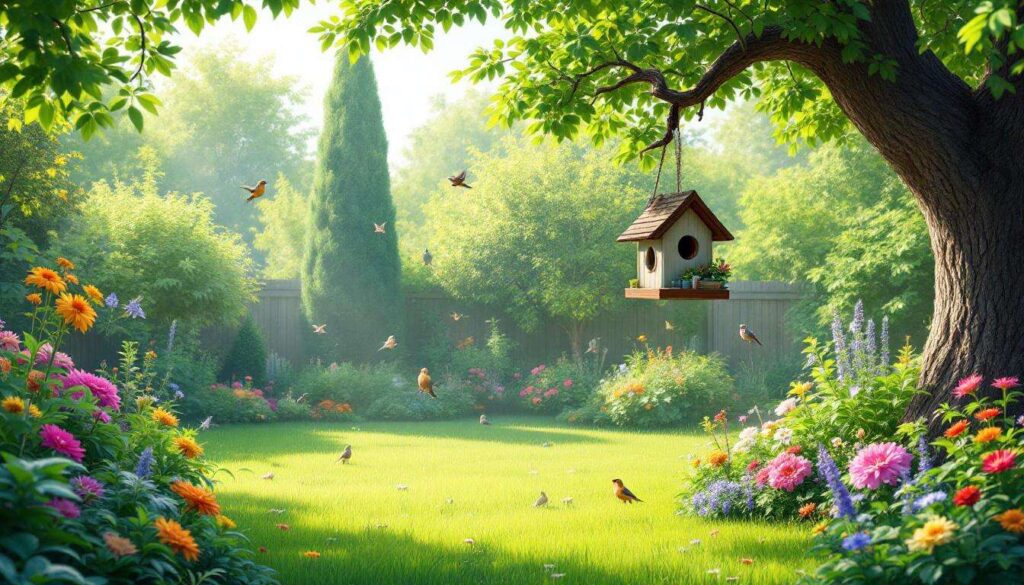
Birds bring life and energy to outdoor spaces, yet many homeowners notice fewer feathered visitors than they might expect. The culprit often lies not in the surrounding environment but in well-intentioned gardening practices that inadvertently discourage nesting. One particularly common habit stands out as a significant barrier to attracting birds: over-tidying the garden. While maintaining a neat outdoor space seems beneficial, excessive pruning, clearing, and manicuring eliminate the natural features birds need for shelter, nesting, and food sources. Understanding how this behavior affects local bird populations represents the first step toward creating a more welcoming habitat.
Why birds avoid your garden
Lack of natural shelter and nesting sites
Birds require dense vegetation and undisturbed areas to feel secure enough to establish nests. When gardens are meticulously maintained with all dead branches removed, shrubs heavily pruned, and leaf litter cleared away, birds lose the protected spaces they instinctively seek. Many species prefer to nest in thick hedgerows, tangled brambles, or overgrown corners where predators cannot easily reach them.
The absence of these features creates an environment that feels exposed and unsafe. Birds conduct thorough assessments before selecting nesting locations, evaluating factors such as:
- Protection from wind and rain
- Concealment from predators
- Proximity to food sources
- Structural support for nest building
- Minimal human disturbance
Insufficient food availability
Over-maintained gardens often lack the insects, seeds, and berries that form the foundation of avian diets. When gardeners remove seed heads, clear away fallen fruit, and eliminate “messy” plants, they simultaneously remove critical food sources. Native birds have evolved alongside local plant species, developing feeding behaviors that depend on the natural cycles of growth, flowering, and decomposition that occur in less-managed spaces.
| Garden Feature | Bird Food Source | Species Benefited |
|---|---|---|
| Seed heads | Seeds | Finches, sparrows, buntings |
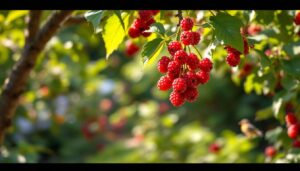
| Berry bushes | Fruit | Thrushes, waxwings, robins |
| Leaf litter | Insects | Wrens, thrushes, blackbirds |
| Flowering plants | Nectar insects | Warblers, flycatchers |
These fundamental issues of shelter and sustenance lead directly to examining specific gardening behaviors that compound the problem.
Common mistakes gardeners make
Excessive pruning and tidying
The most detrimental habit involves cutting back vegetation too aggressively and too frequently. Many gardeners prune shrubs and hedges multiple times throughout the growing season, removing potential nesting sites just as birds begin their breeding cycles. This practice proves particularly harmful during spring and early summer when most species are actively seeking locations to raise their young.
Removing dead wood and fallen branches eliminates essential materials birds use for nest construction while also destroying habitat for the insects they feed upon. Cavity-nesting species such as chickadees, nuthatches, and woodpeckers specifically require dead or decaying wood for nesting sites.
Timing of garden maintenance
Performing major garden work during breeding season disrupts nesting attempts and can cause birds to abandon partially built nests or even young chicks. The critical period typically extends from March through August in most temperate regions, yet many homeowners schedule their most intensive garden maintenance during precisely these months.
Removing natural ground cover
Clearing away leaf litter, mulch, and low-growing plants creates a sterile environment that offers neither food nor cover. Ground-feeding birds such as towhees, thrushes, and sparrows depend on this layer to forage for insects, worms, and seeds. The decomposing organic matter also supports the invertebrate populations that sustain insectivorous bird species.
Beyond these physical alterations to the garden structure, chemical applications introduce additional complications that further discourage bird habitation.
The role of pesticides and chemicals
Direct toxicity to birds
Pesticides, herbicides, and synthetic fertilizers pose immediate and long-term health risks to birds. Direct exposure occurs when birds consume treated seeds, insects, or vegetation, leading to poisoning that can prove fatal. Even sublethal doses cause reproductive problems, weakened immune systems, and neurological damage that impairs their ability to navigate, find food, and avoid predators.
Elimination of the insect food chain
The more insidious effect of chemical applications involves destroying the insect populations that form the base of the avian food web. Most garden birds, even seed-eating species, rely heavily on insects to feed their young during the breeding season. Nestlings require the protein-rich diet that only insects can provide for proper development.
When pesticides eliminate caterpillars, beetles, flies, and other invertebrates, parent birds struggle to find adequate nutrition for their offspring. Research indicates that:
- A single brood of chickadees requires approximately 6,000 to 9,000 caterpillars
- Insecticide-treated gardens show 75% fewer insect populations
- Bird breeding success drops dramatically in chemically treated areas
- Bioaccumulation of toxins increases up the food chain
Contamination of water sources
Chemical runoff contaminates birdbaths, ponds, and other water features, creating toxic drinking and bathing sites. Birds require clean water for hydration and feather maintenance, and polluted sources can sicken entire populations that rely on garden water features.
Addressing these chemical concerns naturally leads to exploring constructive alternatives that welcome birds back to the garden.
Creating a bird-friendly environment
Embracing controlled messiness
Adopting a more relaxed approach to garden maintenance creates the diverse habitat structure birds require. This does not mean abandoning all care but rather being strategic about what gets tidied and when. Leaving some areas deliberately wild provides essential nesting and foraging opportunities while still maintaining aesthetically pleasing spaces in high-visibility areas.
Consider designating specific zones as wildlife corridors where vegetation grows more freely and natural processes proceed with minimal intervention.
Providing supplemental nesting materials
Birds appreciate access to nest-building supplies, particularly in heavily managed landscapes where natural materials are scarce. Helpful offerings include:
- Small twigs and dried grass clippings
- Pet fur and natural fiber yarn (cut into short lengths)
- Moss and lichen
- Mud patches for species like swallows and robins
- Feathers from old pillows
Installing appropriate nest boxes
Supplementing natural nesting sites with properly designed nest boxes helps compensate for habitat lost to development and over-maintenance. Different species require specific entrance hole sizes, interior dimensions, and mounting heights. Research the birds native to your area to provide suitable accommodations.
Water features also prove invaluable, with shallow birdbaths offering drinking and bathing opportunities that attract diverse species. These structural additions work best when complemented by appropriate vegetation choices.
The importance of native hedges and trees
Native plants support native birds
Indigenous plant species have co-evolved with local bird populations over millennia, creating interdependent relationships that exotic ornamentals cannot replicate. Native trees and shrubs provide the specific berries, seeds, and insects that regional birds have adapted to consume, while their growth patterns offer ideal nesting structures.
Non-native ornamental plants often fail to support the insect diversity necessary for healthy bird populations, even when they appear lush and attractive. Many popular garden varieties are specifically bred to resist insect damage, which directly contradicts the needs of insectivorous birds.
Hedgerows as nesting corridors
Dense hedges composed of mixed native species create ideal nesting habitat for numerous bird species. Unlike formal hedges trimmed into geometric shapes, wildlife-friendly hedgerows feature varied heights, depths, and textures that accommodate different nesting preferences. They also provide protected travel routes that allow birds to move through the landscape while remaining concealed from predators.
| Native Plant Type | Wildlife Value | Nesting Species |
|---|---|---|
| Hawthorn | Dense thorny cover, berries | Thrushes, finches, warblers |
| Holly | Year-round cover, winter berries | Robins, blackbirds, wrens |
| Elderberry | Insects, berries, nesting sites | Warblers, thrushes, flycatchers |
| Oak trees | Caterpillars, acorns, cavities | Woodpeckers, chickadees, jays |
Layered planting structure
Creating vertical diversity with trees, shrubs, and ground cover mimics natural woodland edges where bird diversity peaks. This layered approach provides nesting opportunities at various heights while maximizing the garden’s capacity to support different species with varying habitat preferences.
These planting strategies integrate seamlessly with broader wildlife-friendly gardening principles that benefit entire ecosystems.
Wildlife-friendly gardening practices
Organic gardening methods
Transitioning to chemical-free garden management represents the single most impactful change for supporting bird populations. Organic practices work with natural systems rather than against them, fostering healthy soil biology that supports robust plant growth and diverse insect communities.
Effective organic strategies include:
- Companion planting to deter pests naturally
- Encouraging beneficial insects that control pest species
- Using physical barriers like row covers and netting
- Applying organic mulches to suppress weeds and retain moisture
- Composting to build soil health without synthetic fertilizers
Delayed autumn cleanup
Resisting the urge to cut back all perennials and clear away plant debris in autumn provides crucial overwintering habitat for insects that will feed birds the following spring. Hollow stems shelter native bees and other beneficial insects, while seed heads offer food throughout winter when natural resources become scarce.
Postponing major cleanup until late winter or early spring allows these natural processes to support wildlife while still providing opportunities to tidy the garden before new growth begins.
Reducing lawn areas
Converting portions of resource-intensive lawn into diverse plantings dramatically increases habitat value. Traditional turf grass provides minimal food or shelter for birds while requiring substantial water, fertilizer, and maintenance. Replacing even small sections with native wildflower meadows, shrub borders, or naturalized areas creates exponentially more valuable bird habitat.
These comprehensive approaches transform gardens from sterile outdoor rooms into thriving ecosystems that support diverse wildlife populations while remaining beautiful and functional for human enjoyment.
Gardens possess tremendous potential to support bird populations struggling with habitat loss across developed landscapes. The simple act of reducing excessive tidying allows natural features to persist, providing the shelter, nesting sites, and food sources birds require. Eliminating chemical applications protects birds from toxins while preserving the insect populations they depend upon. Incorporating native plants, especially dense hedgerows and layered vegetation, creates the structural diversity that accommodates various species. By embracing wildlife-friendly practices and accepting a degree of natural messiness, gardeners can transform their outdoor spaces into vital refuges where birds successfully nest and raise their young.