



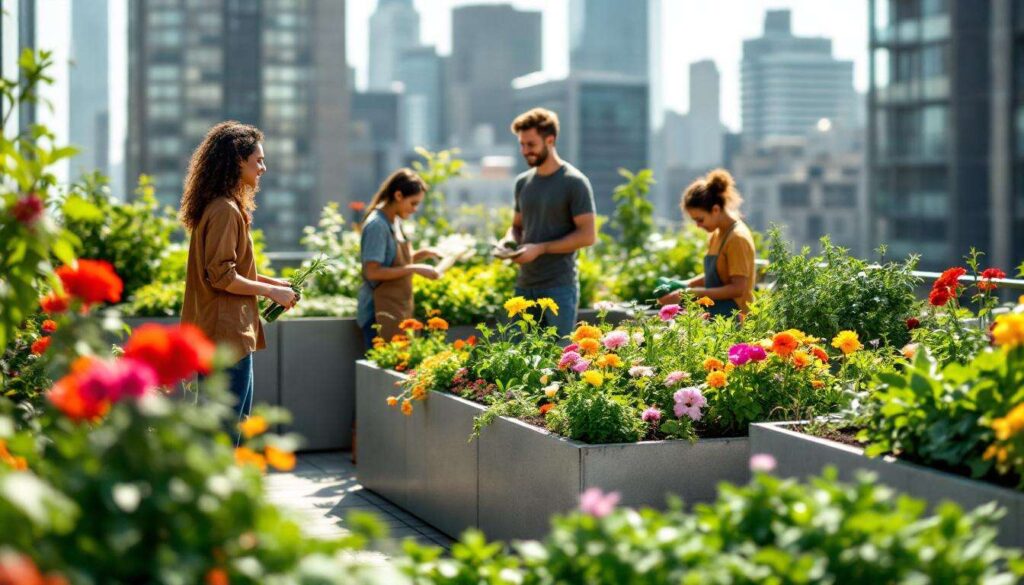
Urban and suburban homeowners across America are transforming their outdoor spaces with a gardening method that combines efficiency, accessibility, and impressive yields. Container gardening, particularly through raised bed systems, has evolved from a niche hobby into a mainstream movement that addresses modern challenges of space limitations, soil quality concerns, and the desire for fresh, homegrown produce. The surge in popularity reflects a broader shift toward sustainable living practices and self-sufficiency that resonates with millions of households seeking to reconnect with food production while maximizing limited outdoor areas.
Understanding the trend of container gardening
The evolution of container gardening practices
Container gardening has undergone a remarkable transformation over the past decade. What began as a simple solution for apartment dwellers with balconies has expanded into a sophisticated approach to cultivation that appeals to gardeners of all experience levels. The method encompasses various structures including traditional pots, fabric containers, vertical gardens, and the increasingly popular raised bed systems that have captured the attention of 18 million Americans.
Modern container gardening addresses several contemporary challenges:
- Limited outdoor space in urban and suburban settings
- Poor native soil quality requiring extensive amendment
- Physical limitations that make ground-level gardening difficult
- Desire for better pest and weed control
- Need for extended growing seasons through improved drainage
Statistical insights into adoption rates
| Year | Households with Raised Beds | Growth Rate |
|---|---|---|
| 2020 | 12.3 million | 15% |
| 2023 | 15.7 million | 22% |
| 2026 | 18 million | 14% |
The data reveals a consistent upward trajectory in adoption, with particularly notable acceleration during periods of economic uncertainty when households prioritize food security and budget management. This growth pattern suggests that raised bed gardening has moved beyond trend status to become a permanent fixture in American residential landscapes.
These compelling numbers naturally lead to examining the specific advantages that make raised bed systems so attractive to modern gardeners.
Benefits of raised bed gardening
Physical and ergonomic advantages
Raised beds offer significant ergonomic benefits that traditional in-ground gardens cannot match. Elevated planting surfaces reduce the need for bending and kneeling, making gardening accessible to individuals with mobility challenges, back problems, or age-related physical limitations. The typical raised bed height ranges from 12 to 36 inches, allowing gardeners to customize the elevation to their comfort level.
The physical design creates a controlled growing environment that separates cultivated plants from surrounding areas. This barrier effect minimizes intrusion from lawn grasses, reduces weed pressure substantially, and creates a psychological boundary that helps gardeners focus their efforts on a manageable space rather than feeling overwhelmed by larger garden plots.
Soil quality and drainage improvements
One of the most significant advantages lies in complete control over soil composition. Gardeners can fill raised beds with custom soil mixtures optimized for specific plants without the expense and labor of amending large garden areas. This controlled environment allows for:
- Precise pH adjustment for acid-loving or alkaline-preferring plants
- Enhanced drainage preventing root rot and fungal diseases
- Improved soil structure promoting healthy root development
- Freedom from contaminated urban soils containing lead or other pollutants
- Faster spring warming enabling earlier planting dates
Productivity and yield enhancement
Research consistently demonstrates that raised beds produce higher yields per square foot compared to traditional row gardening. The intensive planting method possible in raised beds maximizes space utilization while the superior soil conditions promote vigorous plant growth. Studies indicate that well-managed raised beds can produce 4 to 10 times more vegetables than the same area planted in conventional rows.
| Crop Type | Traditional Garden Yield | Raised Bed Yield | Increase |
|---|---|---|---|
| Tomatoes | 15 lbs per plant | 25 lbs per plant | 67% |
| Lettuce | 8 heads per sq ft | 16 heads per sq ft | 100% |
| Carrots | 12 lbs per sq ft | 18 lbs per sq ft | 50% |
Understanding these practical benefits helps explain why American gardeners have embraced this method with such enthusiasm.
Why Americans are embracing raised beds
Economic considerations driving adoption
The rising cost of fresh produce has motivated many households to explore home food production. A single 4×8 foot raised bed can generate $500 to $700 worth of vegetables annually, representing substantial savings for families committed to regular gardening. The initial investment in materials typically ranges from $100 to $300 for a basic cedar or composite bed, creating a payback period of less than one growing season for dedicated gardeners.
Beyond direct food cost savings, raised beds offer long-term economic advantages including reduced water consumption through efficient irrigation, minimal fertilizer waste due to contained growing areas, and decreased pest management costs resulting from better monitoring and control in compact spaces.
Health and wellness motivations
The connection between gardening and mental health has gained recognition as Americans seek stress-reduction activities. Raised bed gardening provides:
- Moderate physical activity promoting cardiovascular health
- Outdoor time increasing vitamin D production
- Mindfulness opportunities through focused plant care
- Sense of accomplishment from successful harvests
- Access to nutrient-dense fresh vegetables at peak ripeness
The therapeutic aspects of tending raised beds appeal particularly to individuals managing anxiety, depression, or recovery from illness. The manageable scale prevents overwhelming feelings while still providing meaningful engagement with growing processes.
Aesthetic and property value enhancements
Modern raised bed designs have evolved into attractive landscape features that enhance rather than detract from property appearance. Materials ranging from natural cedar to powder-coated metal offer options that complement various architectural styles. Well-designed raised bed gardens can increase property appeal and potentially add value during home sales, particularly in markets where sustainable living features attract premium prices.
With these motivations clearly established, the practical question becomes how to implement a successful raised bed system.
Tips for starting your container garden right
Location selection and site preparation
Successful raised bed gardening begins with strategic placement. Most vegetables require 6 to 8 hours of direct sunlight daily, making south-facing locations ideal in northern climates. Consider these factors when selecting your site:
- Proximity to water sources for convenient irrigation
- Level ground preventing water pooling at one end
- Distance from large trees competing for nutrients and water
- Accessibility for maintenance and harvesting
- Visibility from windows to monitor plant health
Site preparation involves removing grass or weeds, laying landscape fabric or cardboard to suppress regrowth, and ensuring adequate drainage. While raised beds handle excess water well, they should not be placed in areas with standing water after heavy rain.
Material selection and construction considerations
The choice of building materials significantly impacts both longevity and safety. Untreated cedar and redwood offer natural rot resistance lasting 10 to 15 years without chemical treatments. Composite materials provide extended lifespans of 20 to 30 years but at higher initial costs. Avoid pressure-treated lumber containing harmful chemicals that may leach into soil, particularly for edible gardens.
| Material | Lifespan | Cost per 4×8 bed | Maintenance |
|---|---|---|---|
| Cedar | 10-15 years | $150-250 | Low |
| Composite | 20-30 years | $300-450 | None |
| Galvanized Steel | 15-25 years | $200-350 | Low |
Soil mixture and filling strategies
The ideal soil mixture for raised beds combines drainage, nutrition, and water retention. A proven formula consists of 60% topsoil, 30% compost, and 10% drainage material such as perlite or vermiculite. This combination provides structure while delivering nutrients and preventing compaction.
Calculate soil volume by multiplying length times width times depth in feet, then multiply by 7.5 to determine gallons needed. A standard 4×8 foot bed at 12 inches deep requires approximately 288 gallons or 11 cubic feet of soil mixture.
Once your raised bed infrastructure is established, selecting appropriate plants becomes the next critical decision.
Ideal plants for raised beds in 2026
High-value vegetable selections
Maximizing return on investment means prioritizing expensive grocery store items that thrive in raised bed conditions. Tomatoes consistently rank as the most popular choice, offering exceptional productivity in confined spaces when properly staked or caged. Heirloom varieties command premium prices at markets but grow easily in home gardens.
Other high-value vegetables particularly suited to raised beds include:
- Salad greens providing continuous harvest through cut-and-come-again methods
- Herbs like basil, cilantro, and parsley used fresh in cooking
- Peppers including specialty varieties difficult to find commercially
- Root vegetables like carrots and beets benefiting from loose soil
- Bush beans producing heavily in compact spaces
Space-efficient companion planting
Raised beds enable intensive companion planting strategies that increase productivity while managing pests naturally. The classic “three sisters” combination of corn, beans, and squash adapts well to raised bed dimensions. Interplanting lettuce between slower-growing tomatoes maximizes space utilization during spring months.
Strategic companion relationships provide multiple benefits including nitrogen fixation, pest deterrence, and efficient space use. Basil planted near tomatoes reportedly improves flavor while repelling aphids and whiteflies.
Climate-adapted varieties gaining popularity
Changing weather patterns have increased interest in heat-tolerant and drought-resistant varieties. Plant breeders have responded with cultivars specifically designed for challenging conditions. Cherry tomatoes like ‘Sun Gold’ and ‘Black Cherry’ handle heat stress better than large beefsteak types. Lettuce varieties such as ‘Jericho’ and ‘Magenta’ resist bolting during warm spells.
The plant selections gardeners make directly influence the broader environmental implications of their growing practices.
Environmental impact of container gardening
Water conservation through efficient irrigation
Raised beds demonstrate superior water efficiency compared to traditional gardens. The contained growing area allows precise irrigation targeting plant root zones rather than wasting water on pathways. Drip irrigation systems or soaker hoses further reduce consumption by delivering moisture directly to soil rather than losing it to evaporation from overhead sprinklers.
Studies indicate that well-managed raised beds use 30 to 50% less water than equivalent in-ground gardens while maintaining or improving plant health. Mulching the soil surface with straw, wood chips, or shredded leaves provides additional moisture retention while suppressing weeds.
Carbon footprint reduction and food miles
Home-grown vegetables eliminate transportation emissions associated with commercial agriculture. The average produce item travels 1,500 miles from farm to table, generating significant carbon emissions. A productive raised bed garden can supply a household with substantial portions of summer vegetables, directly reducing reliance on transported food.
Additional environmental benefits include:
- Elimination of plastic packaging from store-bought produce
- Reduction in refrigeration energy for fresh-picked vegetables
- Decreased food waste from spoilage during transport and storage
- Avoidance of synthetic pesticides harming beneficial insects
- Organic matter recycling through composting garden waste
Supporting pollinator populations
Raised bed gardens incorporating flowering vegetables and herbs create valuable pollinator habitat in residential areas. Allowing herbs like cilantro, dill, and parsley to flower provides nectar sources for bees and beneficial insects. Companion flowers such as marigolds, nasturtiums, and zinnias attract pollinators while adding visual appeal to edible gardens.
The collective impact of millions of small pollinator-friendly gardens creates significant habitat corridors supporting declining bee populations critical to agricultural productivity and ecosystem health.
The widespread adoption of raised bed gardening represents more than a passing trend. With 18 million American households now utilizing this method, container gardening has established itself as a practical response to contemporary challenges including food costs, limited space, and environmental concerns. The combination of ergonomic advantages, superior yields, and accessibility makes raised beds particularly appealing across diverse demographics from young families to retired individuals. Strategic site selection, appropriate material choices, and thoughtful plant selection enable gardeners to maximize productivity while minimizing resource inputs. The environmental benefits extend beyond individual gardens, contributing to water conservation, carbon footprint reduction, and pollinator support. As economic and ecological pressures continue influencing household decisions, raised bed gardening offers a tangible way for millions to enhance food security, improve health, and participate in sustainable living practices.