



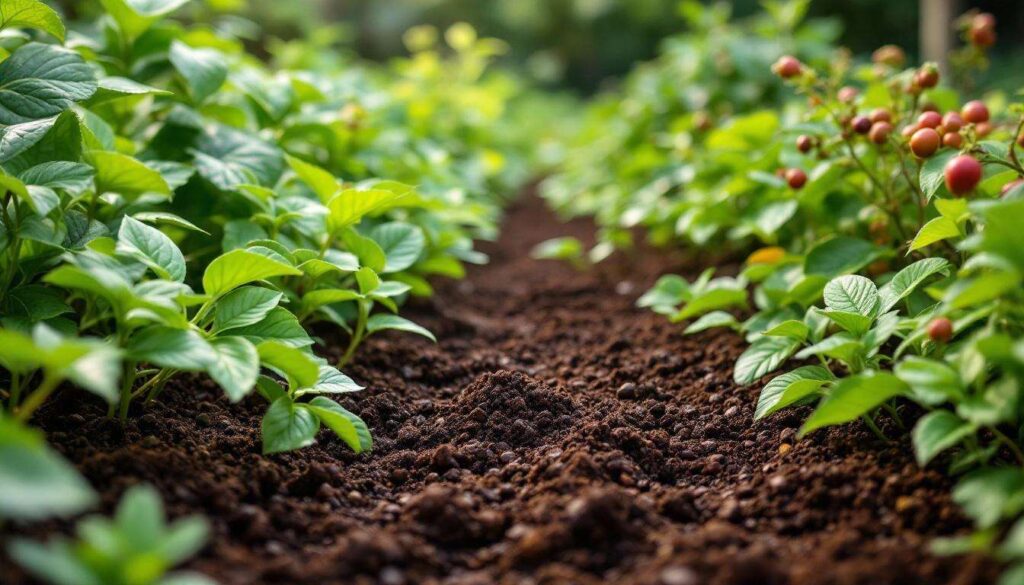
Gardeners constantly seek natural, cost-effective ways to enrich their soil and boost plant health. Coffee grounds, a readily available kitchen waste product, have emerged as a popular amendment for outdoor spaces. Rich in nitrogen and other nutrients, these dark granules promise to transform gardens into thriving ecosystems. However, not all plants respond equally to this caffeinated addition. Understanding which species flourish with coffee grounds and which ones suffer is essential for maximizing garden productivity while avoiding costly mistakes.
Introduction to the benefits of coffee grounds in the garden
Nutritional composition of coffee grounds
Coffee grounds contain approximately 2% nitrogen, making them a valuable source of this essential macronutrient. Beyond nitrogen, they provide smaller amounts of phosphorus, potassium, and trace minerals including magnesium, copper, and calcium. The slightly acidic pH of coffee grounds, typically ranging between 6.5 and 6.8, can benefit acid-loving plants when applied correctly.
| Nutrient | Approximate Percentage |
|---|---|
| Nitrogen | 2.0% |
| Phosphorus | 0.3% |
| Potassium | 0.6% |
Soil improvement properties
When incorporated into soil, coffee grounds enhance soil structure by improving drainage in clay-heavy soils and increasing water retention in sandy compositions. The organic matter they provide feeds beneficial microorganisms, creating a healthier soil ecosystem. Earthworms are particularly attracted to coffee grounds, and their activity further aerates the soil while producing nutrient-rich castings.
Environmental advantages
Using coffee grounds in the garden represents a sustainable practice that diverts waste from landfills. Americans generate millions of tons of coffee waste annually, and repurposing these grounds reduces environmental impact while providing gardeners with a free resource. This circular approach to waste management aligns with modern ecological gardening principles.
Understanding these foundational benefits sets the stage for exploring which specific plants can capitalize on what coffee grounds offer.
The plants favored by coffee grounds
Acid-loving flowering plants
Azaleas, rhododendrons, and camellias thrive when coffee grounds are added to their root zones. These ornamental shrubs prefer acidic soil conditions, and the nitrogen boost supports vigorous blooming. Hydrangeas also benefit, with the added advantage that coffee grounds may intensify the blue coloration of certain varieties.
Vegetables that respond positively
Several vegetable crops show marked improvement when coffee grounds are incorporated into their growing areas:
- Tomatoes: benefit from the nitrogen content during vegetative growth phases
- Carrots: appreciate the improved soil structure that allows for straighter root development
- Radishes: grow more vigorously in the enriched soil environment
- Peppers: respond to the slow-release nitrogen throughout the growing season
Berry bushes and fruit plants
Blueberries rank among the top beneficiaries of coffee ground applications. Their requirement for acidic soil conditions makes coffee grounds an ideal amendment. Strawberries, cranberries, and raspberries similarly show enhanced growth and fruit production when coffee grounds are applied as mulch or worked into the soil around their root systems.
Evergreens and conifers
Pine trees, spruces, and other evergreen species naturally grow in acidic environments. Coffee grounds complement their native soil preferences while providing nutrients that support needle production and overall vigor. Applying coffee grounds around the drip line of these trees mimics natural forest floor conditions.
While many plants welcome coffee grounds enthusiastically, others react negatively to their presence in the garden.
The plants to avoid with coffee grounds
Alkaline-preferring vegetables
Certain vegetables require neutral to alkaline soil conditions and suffer when coffee grounds lower pH levels. Asparagus, a perennial vegetable that thrives in pH ranges above 7.0, experiences stunted growth when coffee grounds acidify its root zone. Similarly, members of the brassica family including broccoli, cabbage, and Brussels sprouts prefer less acidic conditions.
Sensitive seedlings and young plants
Fresh coffee grounds contain compounds that can inhibit seed germination and damage delicate seedlings. The caffeine and other water-soluble substances present in uncomposted grounds create an allelopathic effect, essentially acting as a natural herbicide. Young transplants with tender root systems may experience root burn when exposed to concentrated coffee grounds.
Specific ornamental plants
Several popular garden ornamentals show poor performance with coffee ground applications:
- Lavender: requires alkaline soil and excellent drainage, both compromised by coffee grounds
- Geraniums: prefer neutral pH and can develop yellowing foliage with acidic amendments
- Rosemary: thrives in alkaline conditions and suffers in acidified soil
- Sage: another Mediterranean herb that rejects acidic growing conditions
Succulents and cacti
Desert-adapted plants typically require well-draining, alkaline to neutral soil. Coffee grounds retain moisture and increase acidity, creating conditions that promote root rot and fungal diseases in these drought-tolerant species. The compact nature of coffee grounds when wet further exacerbates drainage problems.
Knowing which plants to avoid is only part of the equation; proper application methods determine success or failure.
How to use coffee grounds effectively
Composting coffee grounds first
The most reliable method involves composting coffee grounds before garden application. Mixing grounds with brown materials like dried leaves, shredded paper, or wood chips at a ratio of approximately 1:4 allows beneficial decomposition. This process neutralizes potentially harmful compounds while making nutrients more readily available to plants. Composted grounds also integrate more easily into soil without forming water-repellent clumps.
Direct soil incorporation techniques
For immediate use, coffee grounds should comprise no more than 10-20% of soil amendments. Thoroughly mixing small quantities into the top 6-8 inches of soil prevents concentration issues. Working grounds into planting holes at transplant time provides a slow-release nutrient source as roots establish themselves.
Mulching applications
A thin layer of coffee grounds, approximately one-quarter to one-half inch thick, serves as an effective mulch around acid-loving plants. This application method offers several advantages:
- Suppresses weed germination through physical barrier and allelopathic effects
- Retains soil moisture during dry periods
- Gradually releases nutrients as grounds break down
- Deters certain pests including slugs and snails
Liquid fertilizer preparation
Steeping coffee grounds in water creates a diluted liquid fertilizer suitable for container plants and garden beds. Combine one cup of grounds with five gallons of water, allow the mixture to steep for 24 hours, then strain and apply. This “coffee tea” provides a gentle nutrient boost without the risks associated with direct ground application.
Even with proper application methods, certain precautions ensure optimal results and prevent common problems.
Precautions to take with the use of coffee grounds
Avoiding excessive applications
The principle that more is not better applies emphatically to coffee grounds. Excessive amounts create a hydrophobic layer that repels water rather than absorbing it. Heavy applications also tie up nitrogen as microorganisms consume it during decomposition, temporarily starving plants of this essential nutrient. Limiting applications to thin layers or well-mixed amendments prevents these counterproductive outcomes.
Monitoring soil pH levels
Regular soil testing helps gardeners track pH changes over time. While coffee grounds are only mildly acidic, cumulative applications can gradually shift soil chemistry. Testing annually allows for corrective measures before plants show stress symptoms. Home testing kits provide adequate accuracy for most gardening purposes, though laboratory analysis offers more precise data.
Considering caffeine sensitivity
Although most of the caffeine in coffee grounds leaches out during brewing, residual amounts remain. Some plants demonstrate sensitivity to these trace quantities, particularly when grounds are applied fresh rather than composted. Allowing grounds to age for several weeks before use reduces caffeine content and minimizes potential negative effects.
Preventing mold growth
Coffee grounds stored in sealed containers or applied in thick, wet layers can develop mold colonies. While most molds are harmless, some species produce spores that irritate respiratory systems. Storing grounds in breathable containers and ensuring proper air circulation when used as mulch prevents excessive mold development.
For gardeners seeking variety in their soil amendment strategies, several alternatives offer comparable benefits.
Alternatives to coffee grounds for gardening
Compost and aged manure
Well-aged compost remains the gold standard for soil improvement. It provides balanced nutrition, improves soil structure, and supports beneficial microbial populations without the pH concerns associated with coffee grounds. Similarly, composted animal manures from horses, cows, or chickens offer rich nutrient profiles suitable for a wider range of plants.
Grass clippings and leaf mold
Fresh grass clippings deliver a quick nitrogen boost comparable to coffee grounds but break down more rapidly. Leaf mold, created by allowing fallen leaves to decompose over one to two years, provides excellent soil conditioning properties with neutral pH. Both materials are typically available at no cost to homeowners with yards.
Commercial organic fertilizers
For gardeners requiring precise nutrient ratios, commercial organic products offer consistency that kitchen waste cannot match. Options include:
- Blood meal: high-nitrogen fertilizer ideal for leafy vegetables
- Bone meal: phosphorus-rich amendment supporting root development and flowering
- Kelp meal: trace mineral source with growth-promoting hormones
- Fish emulsion: balanced liquid fertilizer with quick availability
Green manures and cover crops
Cover crops such as clover, vetch, or winter rye serve dual purposes by protecting soil during off-seasons while adding organic matter when tilled under. These living mulches fix nitrogen, suppress weeds, and improve soil structure without requiring external inputs. The practice represents a holistic approach to soil fertility management.
Coffee grounds offer genuine benefits for acid-loving plants when applied thoughtfully and in moderation. Azaleas, blueberries, tomatoes, and evergreens respond positively to the nitrogen content and slight acidity these grounds provide. Conversely, alkaline-preferring plants like lavender, asparagus, and brassicas suffer when coffee grounds acidify their root zones. Success depends on composting grounds before use, limiting application rates, and matching amendments to specific plant requirements. Regular soil testing prevents pH imbalances, while alternative materials like compost and cover crops provide options for diverse garden needs. By understanding both the capabilities and limitations of coffee grounds, gardeners can make informed decisions that enhance plant health and productivity.