



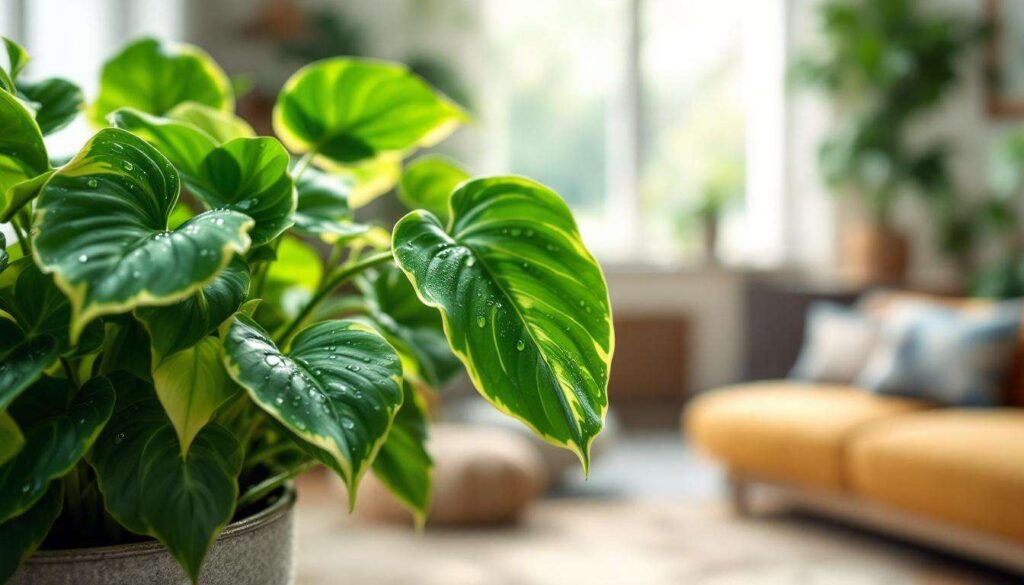
Houseplant enthusiasts often celebrate making it through the harsh winter months, only to watch their beloved greenery decline rapidly as spring approaches. The culprit behind this unexpected die-off is rarely the lingering cold but rather a well-intentioned mistake that catches even experienced plant parents off guard. Overwatering during March claims more indoor plants than any winter freeze, transforming what should be a season of renewal into a period of root rot and fungal infections. As temperatures gradually rise and daylight hours extend, the delicate balance of moisture management becomes critically important, yet many gardeners continue winter watering routines that prove fatal to their collections.
Understanding the life cycle of indoor plants in March
The transition from dormancy to active growth
Most houseplants experience a period of reduced metabolic activity during winter months when light levels drop and temperatures remain consistently cool. This dormancy phase serves as a survival mechanism, allowing plants to conserve energy when conditions are less favorable for photosynthesis and growth. As March arrives, increasing daylight triggers hormonal changes within plants that signal the beginning of their active growing season.
During this transitional period, plants begin to:
- Produce new growth hormones like auxins and cytokinins
- Increase chlorophyll production in existing foliage
- Develop new root hairs to support upcoming growth
- Accelerate cellular division in meristematic tissues
Water requirements during seasonal shifts
The shift from dormancy to growth does not happen overnight, and water needs change gradually rather than abruptly. Early March often presents challenging conditions where plants are just beginning to wake up but have not yet developed the robust root systems or leaf surface area needed to process larger amounts of water. This creates a dangerous window where excess moisture accumulates in soil faster than plants can absorb it.
Temperature fluctuations between day and night remain significant during March, affecting evaporation rates and transpiration. Indoor heating systems may still run during cold nights, creating dry air, while milder days reduce the need for artificial warmth. These inconsistencies make it difficult to establish reliable watering schedules based solely on calendar dates.
Understanding these biological changes helps explain why March requires particularly careful attention to moisture levels rather than increased watering frequency.
The impact of overwatering on roots
How excess moisture suffocates root systems
Plant roots require oxygen to function properly, conducting aerobic respiration to generate the energy needed for nutrient uptake and growth. When soil becomes waterlogged, air pockets that normally hold oxygen become filled with water, creating anaerobic conditions. Root cells begin to die within hours of oxygen deprivation, starting with the delicate root hairs responsible for water and nutrient absorption.
The progression of root damage follows a predictable pattern:
| Time Frame | Root Condition | Visible Symptoms |
|---|---|---|
| 6-12 hours | Root hair death begins | None apparent |
| 24-48 hours | Secondary root damage | Slight wilting despite wet soil |
| 3-5 days | Primary root deterioration | Yellowing leaves, drooping stems |
| 1-2 weeks | Extensive rot, fungal colonization | Blackened stems, leaf drop, odor |
Fungal and bacterial infections in saturated soil
Waterlogged conditions create ideal environments for pathogenic organisms that thrive in oxygen-poor, moisture-rich settings. Pythium, Phytophthora, and Rhizoctonia fungi rapidly colonize damaged root tissues, accelerating decay and releasing enzymes that further break down plant cells. These pathogens spread through water films in soil, moving from infected roots to healthy ones with devastating efficiency.
Bacterial soft rot compounds the problem, producing foul-smelling compounds as microorganisms decompose plant tissue. Once established, these infections prove nearly impossible to reverse, as the damaged root system cannot support the plant’s above-ground structures regardless of subsequent care improvements.
The combination of oxygen deprivation and opportunistic pathogens makes overwatering particularly lethal compared to other common houseplant stressors.
Environmental differences between March and winter
Light intensity and duration changes
Daylight hours increase significantly during March, with some regions gaining nearly two additional hours of sunlight compared to December. This extended photoperiod stimulates photosynthetic activity, but the intensity of light remains lower than summer peaks. Plants receive mixed signals—longer days suggest growth conditions while cooler temperatures and moderate light intensity indicate caution.
Window-facing plants experience dramatic changes in light exposure as the sun’s angle shifts higher in the sky. South-facing windows that provided gentle, filtered light during winter may suddenly deliver more intense radiation, increasing transpiration rates and creating false impressions of greater water needs.
Indoor heating and humidity fluctuations
March weather patterns create unpredictable indoor conditions as heating systems cycle on and off based on outdoor temperatures. A warm afternoon might leave heating dormant while a cold evening triggers full operation, causing humidity levels to swing wildly throughout a 24-hour period. These fluctuations affect soil evaporation rates and plant transpiration in ways that make consistent watering schedules problematic.
Relative humidity typically remains lower than optimal for most tropical houseplants, leading gardeners to compensate with increased watering. However, low air humidity does not automatically translate to faster soil drying, especially when plants are not yet actively growing and pulling moisture from their containers.
These environmental variables create conditions distinctly different from stable winter patterns, requiring adjusted care approaches.
Knowing how to adjust watering habits
Monitoring soil moisture accurately
Relying on surface soil appearance or fixed schedules leads to overwatering during March’s transitional period. Proper moisture assessment requires checking soil conditions several inches below the surface where root systems actually access water. The finger test—inserting a finger to the second knuckle—provides basic feedback, but moisture meters offer more precise readings for deeper containers.
Different pot materials and sizes dry at varying rates:
- Terracotta pots allow faster evaporation through porous walls
- Plastic containers retain moisture significantly longer
- Large pots maintain wet conditions in their centers while edges dry
- Small pots with proportionally large plants dry more quickly
Species-specific water requirements
Not all houseplants emerge from dormancy simultaneously or require identical moisture levels. Succulents and cacti remain largely dormant through March and need minimal water, while tropical species like pothos and philodendrons begin showing growth earlier. Grouping plants by their water needs and growth patterns helps prevent the common mistake of applying uniform care to diverse collections.
Research individual species to understand their native habitats and seasonal patterns. Plants from tropical rainforests evolved with consistent moisture but still experience seasonal variations in rainfall. Desert natives expect extended dry periods regardless of season. Matching watering practices to these evolutionary adaptations prevents stress and disease.
Developing observation skills and understanding individual plant needs proves more effective than following generalized advice.
Practical tips to avoid overwatering
Improving drainage and soil composition
Even appropriate watering frequency cannot compensate for poor drainage. Containers must have adequate drainage holes, and saucers should be emptied within 30 minutes of watering to prevent roots from sitting in standing water. Elevating pots on feet or pebbles ensures excess water drains freely rather than being reabsorbed.
Soil composition directly affects water retention and aeration. Standard potting mixes often contain excessive peat moss or coir that holds moisture too long for March conditions. Amending soil with perlite, pumice, or coarse sand improves drainage while maintaining sufficient moisture for emerging roots.
Establishing a checking routine rather than watering schedule
Replace calendar-based watering with condition-based assessment. Designate specific days to check plant moisture levels without the expectation of watering. This approach prevents automatic watering simply because a certain number of days have passed, forcing actual evaluation of plant needs.
Consider these factors during each check:
- Pot weight—dry soil weighs significantly less than saturated soil
- Leaf turgor—slight softening indicates genuine thirst
- Growth activity—new shoots signal increased water needs
- Recent weather—cloudy weeks slow evaporation rates
Adjusting water volume rather than frequency
When plants do require water, providing appropriate amounts matters as much as timing. Thorough watering that saturates all soil and drains from bottom holes proves healthier than frequent small additions that wet only surface layers. However, during March’s transition period, slightly reducing the total volume while maintaining thorough technique can prevent oversaturation.
Implementing these practical strategies requires initial effort but becomes intuitive with consistent practice.
Recognizing the signs of overwatering
Early warning symptoms
Detecting overwatering before irreversible damage occurs provides the best chance for plant recovery. Yellowing lower leaves often appear as the first visible symptom, as the plant sacrifices older foliage when roots cannot supply adequate nutrients due to oxygen deprivation. Unlike natural senescence where leaves yellow gradually and individually, overwatering typically affects multiple leaves simultaneously.
Wilting despite wet soil represents a particularly confusing symptom that leads many gardeners to water even more, accelerating the plant’s decline. This paradoxical wilting occurs because damaged roots cannot absorb water efficiently, leaving stems and leaves dehydrated even when surrounded by moisture.
Advanced indicators requiring immediate action
As root damage progresses, symptoms become more severe and urgent. Soft, mushy stems at the soil line indicate advanced rot that has spread from roots into above-ground tissues. Black or brown discoloration spreading upward from the base confirms fungal or bacterial infection. A sour or rotten smell emanating from soil signals anaerobic decomposition.
Additional critical signs include:
- Edema—blister-like bumps on leaves from cellular rupture
- Fungus gnats—attracted to constantly moist organic matter
- Algae growth—green film on soil surface indicates excess moisture
- Leaf drop—sudden loss of multiple leaves without seasonal explanation
Differentiating from other problems
Overwatering symptoms overlap with various other issues, making accurate diagnosis essential. Underwatering also causes wilting and yellowing, but soil will be dry and leaves typically become crispy rather than soft. Nutrient deficiencies produce yellowing in specific patterns—nitrogen deficiency affects older leaves first, while iron deficiency impacts new growth.
Checking root health provides definitive diagnosis. Carefully removing the plant from its container reveals root condition—healthy roots appear white or light tan and firm, while overwatered roots turn brown, black, or gray and feel mushy when touched.
Accurate symptom recognition enables appropriate intervention before plants reach the point of no return.
The transition from winter dormancy to spring growth creates a critical vulnerability period for houseplants, with March representing the peak danger zone for overwatering fatalities. Understanding plant biology, environmental factors, and proper moisture management techniques protects collections during this challenging season. Monitor soil conditions rather than following rigid schedules, adjust practices based on individual plant responses, and recognize warning signs before damage becomes irreversible. Success requires patience and observation, allowing plants to dictate their needs rather than imposing predetermined care routines that ignore seasonal realities.