
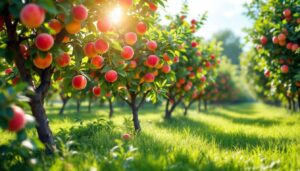

Fig trees have been cultivated for thousands of years, prized for their sweet, succulent fruits and ornamental beauty. However, many gardeners struggle to achieve the abundant harvests these Mediterranean natives are capable of producing. The secret lies not just in proper watering or fertilization, but in strategic pruning that directs the tree’s energy toward fruit production. According to horticulturists, understanding when and how to prune can transform a modest fig tree into a prolific producer. This comprehensive guide explores the essential techniques and timing that professionals recommend for maximizing your fig harvest.
Understanding the growth cycle of the fig tree
How fig trees develop and produce fruit
Fig trees exhibit a unique growth pattern that distinguishes them from many other fruit-bearing plants. Unlike apples or cherries that bloom in spring, figs develop directly on new wood growth without showy flowers. The fruit actually forms from an inverted flower structure called a syconium, where tiny flowers bloom inside what will become the edible fig.
Most fig varieties grown in temperate climates produce fruit on one-year-old wood, meaning the branches that grew during the previous season. Some varieties, known as breba figs, can produce two crops annually: an early summer crop on old wood and a main crop on new growth in late summer or fall. Understanding this distinction is crucial for proper pruning decisions.
Recognizing productive versus non-productive wood
Identifying which branches will bear fruit helps gardeners make informed pruning choices. Productive wood typically displays these characteristics:
- Medium thickness branches, approximately pencil-sized to thumb-sized in diameter
- Healthy green or gray-brown bark without disease or damage
- Visible leaf buds and small embryonic figs along the stems
- Branches positioned to receive adequate sunlight
Conversely, non-productive wood includes very old thick branches, diseased or damaged sections, and excessively vigorous vertical shoots called water sprouts that rarely produce fruit. Recognizing these differences allows you to focus the tree’s resources where they matter most.
With this foundational knowledge of how fig trees grow and fruit, you can approach pruning with confidence, knowing which branches to preserve and which to remove.
Why prune your fig tree
Benefits of regular pruning
Pruning serves multiple essential functions that directly impact both tree health and fruit production. According to horticultural experts, unpruned fig trees often become overgrown, shaded, and less productive over time. Strategic pruning addresses these issues by:
- Increasing light penetration to interior branches, which stimulates fruiting
- Improving air circulation to reduce fungal diseases and pest problems
- Directing energy toward fruit production rather than excessive vegetative growth
- Maintaining manageable tree size for easier harvesting
- Removing dead, diseased, or damaged wood that harbors problems
Impact on fruit quality and quantity
The connection between pruning and harvest quality is remarkably significant. Well-pruned fig trees typically produce larger, sweeter fruits because the tree’s resources are concentrated on fewer, better-positioned branches. Research from agricultural extension services shows that properly pruned trees can yield up to 30% more usable fruit compared to neglected specimens.
| Tree condition | Average fruit size | Fruit quality rating | Total yield |
|---|---|---|---|
| Unpruned for 3+ years | Small to medium | Fair | Moderate |
| Annually pruned | Medium to large | Excellent | High |
Furthermore, pruning helps prevent the common problem of fruit drop, where figs fail to ripen and fall prematurely. By ensuring adequate light and air reach developing fruits, pruning creates optimal conditions for successful maturation.
Understanding these benefits naturally leads to the question of timing, as when you prune can be just as important as how you prune.
The best time to prune
Dormant season pruning
For most fig varieties, the optimal pruning window occurs during dormancy, typically in late winter before new growth begins. Horticulturists recommend pruning when temperatures consistently remain above freezing but before buds begin to swell, usually between February and early March in temperate zones.
Dormant pruning offers several advantages:
- Tree structure is clearly visible without foliage obstruction
- Reduced sap flow minimizes stress and disease transmission
- Cuts heal quickly as spring growth begins
- No risk of removing developing fruits
However, in regions with harsh winters, some experts advise waiting until after the last frost to avoid exposing fresh cuts to severe cold damage.
Summer pruning considerations
Light summer pruning serves different purposes than dormant-season work. During the growing season, gardeners can remove water sprouts and suckers that divert energy from fruit production. This type of pruning should be minimal and focused on:
- Eliminating vigorous vertical shoots
- Thinning overcrowded areas to improve light penetration
- Removing broken or diseased branches immediately
Avoid heavy summer pruning, as this can stimulate excessive new growth at the expense of fruit development and may reduce the following year’s crop on varieties that fruit on old wood.
Once you’ve identified the right timing for your climate and variety, having the proper equipment becomes the next essential consideration.
The tools needed for effective pruning
Essential cutting implements
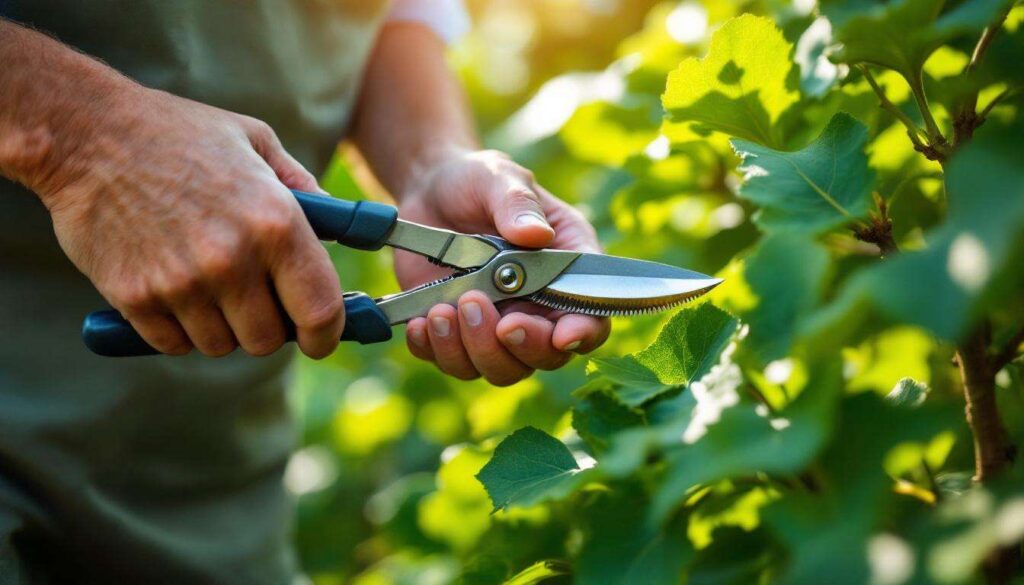
Professional horticulturists emphasize that quality tools make pruning safer and more effective. Sharp, well-maintained equipment creates clean cuts that heal quickly, while dull blades tear tissue and invite disease. The essential toolkit includes:
- Bypass pruning shears for branches up to 3/4 inch diameter
- Loppers with long handles for branches 3/4 to 2 inches thick
- Pruning saw for larger limbs exceeding 2 inches
- Pole pruner for reaching high branches safely
Bypass-style cutters are preferred over anvil types because they make cleaner cuts with less tissue crushing, promoting faster healing.
Safety and sanitation equipment
Beyond cutting tools, proper pruning requires attention to both personal safety and disease prevention. Recommended additional equipment includes:
- Heavy-duty gloves to protect hands from rough bark and sap
- Safety glasses to shield eyes from falling debris
- Rubbing alcohol or bleach solution for sterilizing blades between cuts
- Ladder with stable footing for taller trees
Sterilizing tools between major cuts, especially when removing diseased wood, prevents spreading pathogens throughout the tree. A simple wipe with alcohol-soaked cloth takes seconds but can prevent significant disease problems.
With the right tools assembled and sanitized, you’re ready to learn the specific techniques that encourage maximum fruit production.
Pruning techniques to encourage fruiting
The open center method
Most horticulturists recommend the open center or vase shape for fig trees, as this structure maximizes light penetration and air circulation. This technique involves selecting three to five main scaffold branches that radiate outward from a central point, creating a bowl-like canopy.
To establish this form:
- Remove the central leader to prevent upward competition
- Select well-spaced scaffold branches at 45 to 60-degree angles
- Eliminate branches growing toward the center
- Maintain scaffold branches at similar heights for balanced growth
This approach ensures that sunlight reaches interior branches where fruit develops, rather than shading them with dense outer foliage.
Thinning versus heading cuts
Understanding the difference between these two cut types is fundamental to effective pruning. Thinning cuts remove entire branches back to their point of origin, opening the canopy without stimulating vigorous regrowth. Heading cuts shorten branches to a bud or lateral branch, which typically triggers multiple new shoots.
For fig trees, thinning cuts are generally preferred because they:
- Reduce overall branch density without encouraging water sprouts
- Maintain the tree’s natural growth habit
- Direct energy toward existing fruiting wood
Use heading cuts sparingly, primarily to control height or redirect growth direction. When making any cut, position it just above a bud or branch junction at a slight angle to promote water runoff and healing.
Managing vigorous growth
Fig trees often produce excessively vigorous vertical shoots that contribute little to fruit production. These water sprouts should be removed entirely during dormant pruning. Additionally, remove any suckers emerging from the base or roots, as these drain resources from the main tree.
For overly vigorous trees, root pruning by cutting a circle around the drip line with a sharp spade can moderate growth and redirect energy toward fruiting. This technique should be used cautiously and typically only on established trees.
After completing your pruning work, proper aftercare ensures the tree recovers quickly and channels its energy into producing an abundant harvest.
Caring for the fig tree after pruning
Wound management and protection
While fig trees generally heal well without intervention, large cuts benefit from protective measures. Most modern horticulturists advise against traditional wound dressings or sealants, as research shows these can actually trap moisture and promote decay. Instead, allow cuts to heal naturally while monitoring for signs of disease.
For cuts larger than 2 inches in diameter, consider these protective steps:
- Ensure cuts are smooth and clean, not ragged or torn
- Avoid pruning during wet weather when disease spreads easily
- Monitor healing progress and remove any diseased tissue promptly
Post-pruning nutrition and watering
Pruned trees benefit from balanced nutrition to support recovery and fruit development. Apply a complete fertilizer with balanced NPK ratios in early spring as growth begins. Avoid excessive nitrogen, which promotes leafy growth at the expense of fruiting.
Watering needs increase as new growth emerges. Provide consistent moisture, especially during fruit development, but ensure good drainage to prevent root problems. A 2 to 4-inch layer of organic mulch helps retain moisture and moderate soil temperature.
Monitoring for problems
After pruning, regularly inspect your fig tree for signs of stress or disease. Watch for:
- Excessive sap bleeding from cuts, which usually stops naturally
- Fungal growth or discoloration around pruning wounds
- Pest infestations attracted to fresh growth
- Adequate fruit set on remaining branches
Address any issues promptly to protect your investment in pruning work and ensure a successful harvest season.
Strategic pruning transforms fig trees from modest producers into abundant fruit sources. By understanding the tree’s growth cycle, timing your cuts appropriately, using proper tools and techniques, and providing adequate aftercare, you can significantly increase both the quantity and quality of your harvest. The open center method maximizes light penetration, while selective thinning removes unproductive wood without stimulating excessive regrowth. Remember that pruning is both science and art, requiring observation and adjustment to your specific tree and climate. With consistent application of these horticultural principles, your fig tree will reward you with bumper harvests for years to come.