


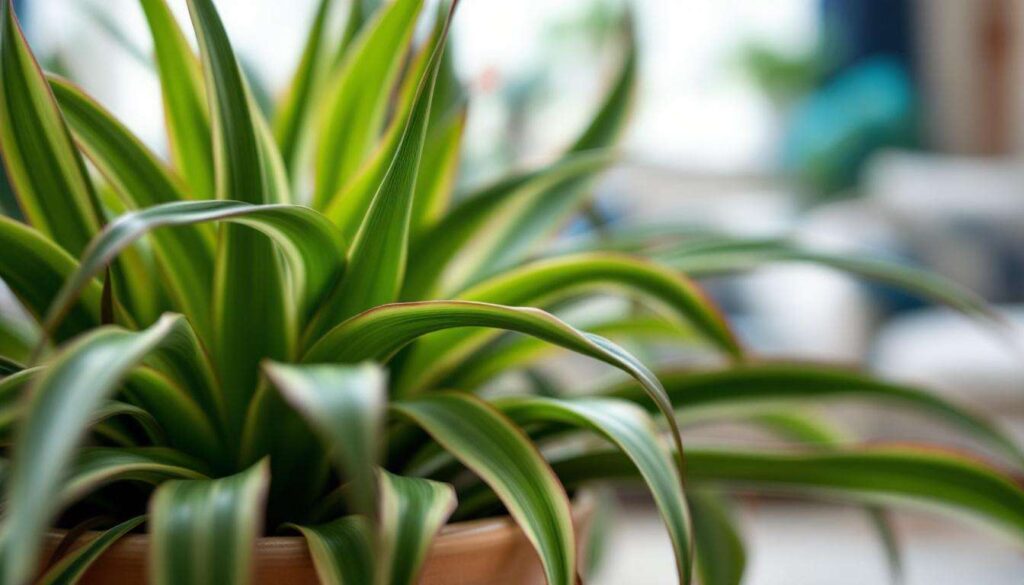
Spider plants are among the most popular houseplants, prized for their resilience and attractive foliage. However, even these hardy plants can develop unsightly brown tips and edges that detract from their appearance. The good news is that this common problem usually has a simple solution that requires minimal time and effort. Understanding why your spider plant is turning brown and implementing a quick fix can restore its vibrant green color and keep it thriving for years to come.
Common causes of brown tips
Brown tips on spider plants rarely indicate a serious health issue, but they do signal that something in the plant’s environment needs adjustment. Identifying the root cause is essential for implementing the right solution and preventing future damage.
Environmental stress factors
Spider plants respond to various environmental stressors by developing brown leaf tips. These factors often work in combination, making it important to evaluate multiple aspects of your plant care routine. The most frequent culprits include:
- Inconsistent watering schedules that stress the root system
- Low humidity levels in indoor environments
- Accumulation of minerals and chemicals in tap water
- Direct exposure to harsh sunlight or extreme temperatures
- Salt buildup in the soil from excessive fertilization
Natural aging process
Not all brown tips indicate a problem with your care routine. Older leaves naturally decline as the plant redirects energy to new growth. If only a few lower or outer leaves show browning while the rest of the plant appears healthy, this is likely normal aging. However, widespread browning across multiple leaves typically points to an environmental issue that needs addressing.
While environmental factors play a significant role in leaf discoloration, one particular care mistake stands out as the most frequent cause of brown tips in spider plants.
Over-watering: a common culprit
Many well-intentioned plant owners actually harm their spider plants by providing too much water rather than too little. Over-watering creates conditions that stress the roots and lead to brown leaf tips, along with other more serious problems.
Signs of excessive moisture
Spider plants store water in their tuberous roots, making them surprisingly drought-tolerant. When soil remains constantly wet, the roots cannot access adequate oxygen, leading to stress that manifests as brown tips. Additional warning signs include:
- Yellowing leaves that feel soft or mushy
- A damp or moldy smell from the soil
- Soil that remains wet for more than a week after watering
- Root rot visible when checking the root system
The two-minute fix
Adjusting your watering schedule takes less than two minutes and can dramatically improve your plant’s health. Allow the top inch of soil to dry completely between waterings. Insert your finger into the soil to check moisture levels before watering. During winter months, reduce watering frequency as the plant’s growth slows. Ensure your pot has drainage holes to prevent water from pooling at the bottom.
| Season | Watering frequency | Soil moisture level |
|---|---|---|
| Spring/Summer | Every 7-10 days | Top 1-2 inches dry |
| Fall/Winter | Every 10-14 days | Top 2-3 inches dry |
Beyond watering practices, the moisture content in the air surrounding your spider plant also significantly affects leaf health and appearance.
The impact of humidity on your plant
Spider plants originate from tropical and southern African regions where humidity levels remain relatively high. Indoor environments, especially during winter heating seasons, often lack adequate moisture in the air, causing leaf tips to brown and crisp.
Ideal humidity levels
Spider plants thrive when humidity levels range between 40% and 60%. Most homes maintain humidity between 30% and 40%, particularly during colder months when heating systems dry out indoor air. This deficit causes the plant to lose moisture through its leaves faster than the roots can replace it, resulting in desiccated brown tips.
Quick humidity solutions
Increasing humidity around your spider plant requires minimal effort and no special equipment. Simple methods include:
- Placing the pot on a pebble tray filled with water
- Grouping multiple plants together to create a microclimate
- Misting the leaves lightly once or twice weekly
- Positioning the plant in naturally humid rooms like bathrooms or kitchens
- Using a small humidifier near your plant collection
While adjusting humidity helps prevent brown tips, the water you use for your spider plant can be just as important as how often you water.
The importance of water quality
Many municipal water supplies contain chemicals and minerals that accumulate in plant tissue over time. Fluoride and chlorine are particularly problematic for spider plants, causing characteristic brown tips even when all other care conditions are optimal.
Problematic water components
Tap water often contains additives that protect human health but harm sensitive plants. Fluoride, added to prevent tooth decay, accumulates in spider plant leaves and causes tip burn. Chlorine, used for disinfection, can damage leaf tissue. Additionally, hard water with high mineral content leaves salt deposits in the soil that interfere with the plant’s ability to absorb nutrients and water properly.
Water quality solutions
Switching your water source takes seconds but can eliminate a major cause of brown tips. Consider these alternatives:
- Filling a container with tap water and letting it sit uncovered for 24 hours to allow chlorine to evaporate
- Using filtered water from a pitcher or faucet attachment
- Collecting rainwater for watering indoor plants
- Purchasing distilled water for particularly sensitive plants
| Water type | Fluoride content | Recommended for spider plants |
|---|---|---|
| Tap water | High | No |
| Filtered water | Low to none | Yes |
| Rainwater | None | Yes |
| Distilled water | None | Yes |
Once you’ve identified and corrected the cause of browning, addressing the existing damaged foliage helps restore your plant’s appearance.
How to trim damaged leaves
Brown tips won’t turn green again, but proper trimming improves your plant’s appearance and allows it to focus energy on healthy growth. The process is quick and straightforward with the right technique.
Trimming technique
Use clean, sharp scissors or pruning shears to trim brown tips. Cut at an angle following the natural leaf shape rather than straight across, which creates an unnatural appearance. Remove only the brown portion, leaving a thin margin of brown to avoid cutting into healthy green tissue, which can cause additional browning. If an entire leaf has turned brown, cut it at the base where it emerges from the soil.
Post-trimming care
After trimming, your spider plant needs no special treatment. Continue with your adjusted care routine, ensuring proper watering, humidity, and water quality. New growth should emerge without brown tips if you’ve addressed the underlying cause. Monitor the plant over the following weeks to confirm that new leaves remain healthy and green.
Rather than repeatedly treating brown tips, implementing preventive measures ensures your spider plant maintains its attractive appearance long-term.
Preventing the appearance of brown spots
Consistent care practices prevent brown tips from developing in the first place. Establishing a proper routine takes minimal time but yields significant results in plant health and appearance.
Comprehensive prevention strategy
Combine multiple preventive measures for optimal results. Key practices include:
- Checking soil moisture before each watering session
- Using room-temperature filtered or distilled water
- Maintaining consistent humidity levels around the plant
- Placing the plant in bright, indirect light away from harsh sun
- Fertilizing sparingly, no more than once monthly during growing season
- Flushing the soil every few months to remove salt buildup
Monitoring and adjustment
Regular observation helps you catch problems early. Inspect your spider plant weekly for any signs of stress, including new brown tips, yellowing leaves, or changes in growth patterns. Adjust your care routine based on seasonal changes, as plants require less water and fertilizer during dormant winter months. Keep notes about what works best for your specific environment, as factors like home humidity and light levels vary significantly.
Spider plants are forgiving and resilient, responding quickly to improved care conditions. By addressing water quality, adjusting watering frequency, and maintaining adequate humidity, you can eliminate brown tips and keep your plant looking its best. The fixes truly take less than two minutes to implement but provide lasting benefits. Regular monitoring and consistent care practices ensure your spider plant remains a vibrant, healthy addition to your indoor garden for years to come.