
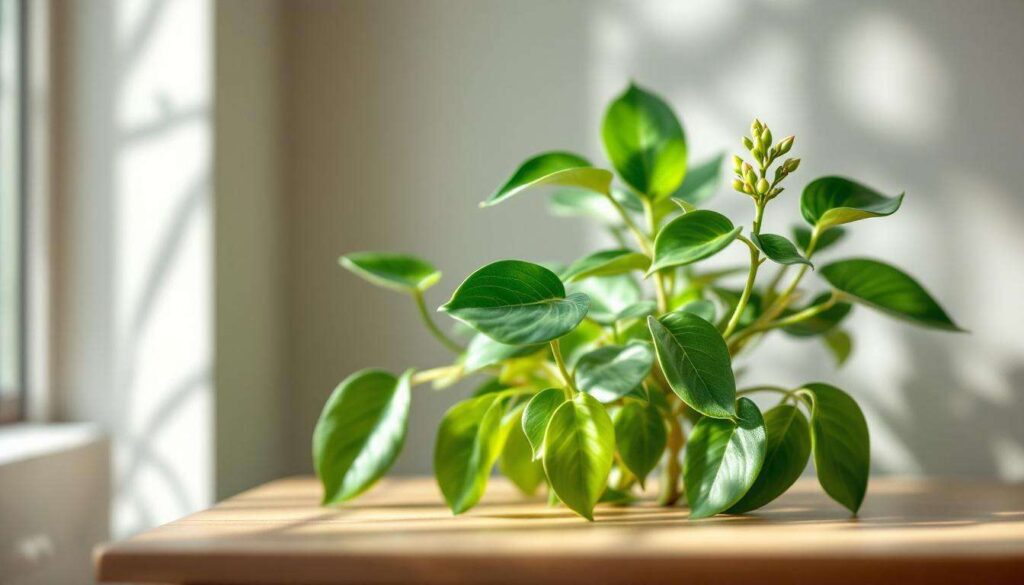
Spotting tiny buds forming on your jade plant after years of patience brings genuine excitement to any indoor gardener. These succulent beauties don’t bloom frequently, making the event all the more special when it finally happens. Proper care during this critical pre-bloom phase determines whether those promising buds will open into delicate star-shaped flowers or simply wither away. The transition from vegetative growth to flowering requires specific environmental conditions and attentive maintenance that differs from standard jade plant care.
Understanding the blooming process of the crassula
The jade plant, scientifically known as Crassula ovata, typically reaches maturity around three to five years before producing its first blooms. Flowering represents a significant energy investment for the plant, triggered by specific environmental cues that signal favorable conditions for reproduction.
Natural blooming triggers
Several factors combine to initiate the blooming cycle in jade plants. The most critical trigger involves experiencing a period of cooler temperatures combined with reduced daylight hours, mimicking the plant’s native South African winter conditions. This dormancy period signals the plant to redirect energy from leaf production to flower development. Most jade plants bloom during late winter or early spring after experiencing these environmental changes.
| Blooming Stage | Duration | Visible Changes |
|---|---|---|
| Bud formation | 2-3 weeks | Small pink or white clusters appear at branch tips |
| Bud development | 1-2 weeks | Buds enlarge and show color intensification |
| Full bloom | 2-4 weeks | Star-shaped flowers open completely |
What happens inside the plant
During the pre-bloom phase, the jade plant redirects nutrients and energy from foliage growth to reproductive structures. The plant concentrates sugars and starches in the areas where flower buds form, creating visible swelling at branch tips. This physiological shift makes the plant more sensitive to environmental disruptions, requiring careful attention to avoid bud drop.
Recognizing these biological processes helps explain why your jade plant needs specialized care during this delicate period.
Choosing the ideal location for your plant
Location stability becomes paramount once buds appear on your jade plant. Moving the plant during bud development frequently causes bud drop, as the plant must readjust to new light angles and environmental conditions.
Light exposure requirements
Jade plants preparing to bloom need bright, indirect sunlight for at least four to six hours daily. A south-facing or west-facing window typically provides optimal light conditions. However, direct afternoon sun through glass can become too intense, potentially scorching leaves and causing stress that leads to bud abortion.
- Position the plant 2-3 feet from bright windows to prevent leaf burn
- Use sheer curtains to diffuse intense direct sunlight
- Rotate the plant only before buds form to ensure even light distribution
- Avoid moving the plant once buds appear, even by small distances
Environmental stability factors
Beyond light considerations, the location should offer protection from drafts, heating vents, and air conditioning outlets. Temperature fluctuations exceeding 10-15 degrees Fahrenheit within short periods stress blooming jade plants and frequently trigger premature bud drop. Choose a spot away from frequently opened doors or windows where cold drafts might reach the plant.
Once you’ve secured the right location, maintaining appropriate moisture levels becomes the next critical factor.
The importance of proper watering
Watering practices require careful adjustment when jade plants enter their blooming phase. Both overwatering and underwatering during this period can cause buds to drop before opening, making moisture management particularly crucial.
Adjusting your watering schedule
Reduce watering frequency slightly compared to the growing season, but never allow the soil to become completely dry. The plant still needs moisture to support flower development, but excessive water can cause root rot and bud drop. Test soil moisture by inserting your finger two inches deep into the potting mix. Water only when this depth feels dry to the touch.
| Season | Watering Frequency | Soil Moisture Level |
|---|---|---|
| Pre-bloom (fall/winter) | Every 2-3 weeks | Allow top 2 inches to dry completely |
| Active blooming | Every 10-14 days | Keep slightly more moist than dormant period |
| Post-bloom | Every 7-10 days | Resume normal growing season moisture |
Water quality considerations
The mineral content in your water affects blooming jade plants more significantly than during regular growth periods. Chlorine, fluoride, and excess salts can accumulate in the soil and stress the plant during this sensitive phase. Using filtered water, rainwater, or tap water that has sat out overnight allows chlorine to dissipate and reduces potential chemical stress.
- Water at the soil level rather than overhead to prevent moisture on buds
- Ensure pots have adequate drainage holes to prevent waterlogging
- Use room-temperature water to avoid shocking the roots
- Empty drainage saucers within 30 minutes after watering
Complementing proper hydration with appropriate nutrition further supports successful blooming.
Fertilization: providing your plant with the right nutrient
Fertilizer composition and timing significantly impact whether jade plant buds develop into full flowers. The wrong fertilizer type or application schedule can actually inhibit blooming or cause bud drop.
Selecting the appropriate fertilizer formula
Once buds appear, switch from high-nitrogen fertilizers to formulations with higher phosphorus content. Phosphorus supports flower development, while excessive nitrogen promotes leafy growth at the expense of blooms. Look for fertilizers with an NPK ratio of 5-10-5 or 10-15-10, where the middle number representing phosphorus is highest.
Application timing and frequency
Fertilize sparingly during the pre-bloom and blooming phases. Apply diluted fertilizer at half the recommended strength once monthly during bud development. Stop fertilizing completely once flowers open, as the plant focuses entirely on maintaining the blooms rather than absorbing nutrients for growth.
- Dilute liquid fertilizer to 50% of package recommendations
- Apply fertilizer to moist soil, never to dry soil which can burn roots
- Avoid fertilizing within two weeks of the first bud appearance
- Resume regular fertilization only after flowers fade completely
Nutrient management works hand-in-hand with environmental conditions to ensure successful blooming.
Monitoring light and temperature
Environmental parameters require close attention throughout the blooming cycle. The combination of proper light exposure and temperature ranges creates the conditions necessary for buds to open and flowers to persist.
Optimal temperature ranges
Jade plants need cooler nighttime temperatures between 50-55°F to initiate and maintain blooming, while daytime temperatures should remain between 65-75°F. This temperature differential mimics natural conditions and signals the plant to continue investing energy in flower production. Temperatures consistently above 75°F or below 45°F can cause bud abortion.
Light duration and intensity
During the blooming phase, jade plants benefit from consistent light exposure without dramatic changes in duration or intensity. Maintain 4-6 hours of bright, indirect light daily throughout the blooming period. Supplemental grow lights can help maintain consistency if natural light varies significantly due to weather conditions.
| Environmental Factor | Optimal Range | Warning Signs of Problems |
|---|---|---|
| Daytime temperature | 65-75°F | Bud drop, wilting leaves |
| Nighttime temperature | 50-55°F | Buds remain closed, yellowing |
| Light exposure | 4-6 hours bright indirect | Pale buds, stretched growth |
| Humidity | 30-50% | Brown bud edges, shriveling |
Understanding the timeline for flower development helps set realistic expectations.
When to expect the flowers to appear
Once you’ve identified buds on your jade plant, patience becomes essential as the progression from bud to bloom typically spans four to six weeks under optimal conditions.
Bloom development timeline
The initial buds appear as small, tight clusters at branch tips, usually pink or white depending on the variety. These buds gradually swell over two to three weeks before individual flowers begin separating and showing petal definition. Full bloom occurs when the star-shaped flowers open completely, revealing their delicate structure and sometimes releasing a subtle, sweet fragrance.
Factors affecting bloom timing
Several variables influence exactly when flowers appear. Plant maturity, overall health, and consistency of environmental conditions all play roles in the timeline. Younger plants experiencing their first bloom may take longer than established specimens. Stress from environmental changes, pests, or disease can delay flowering by several weeks or cause buds to abort entirely.
- First-time blooming plants may take 6-8 weeks from bud to flower
- Established bloomers typically complete the cycle in 4-5 weeks
- Cooler temperatures slightly extend the blooming period
- Individual flowers last 2-4 weeks before fading
Maintaining the careful balance of light, temperature, water, and nutrients throughout this waiting period rewards patient gardeners with the spectacular sight of jade plant flowers in full glory.
Successfully bringing a jade plant to bloom requires understanding its natural cycles and providing targeted care during the critical pre-bloom and flowering phases. The combination of appropriate light exposure, temperature differentials, adjusted watering practices, and strategic fertilization creates optimal conditions for bud development and flower opening. While the process demands patience and attention to detail, witnessing those delicate star-shaped blooms makes every careful adjustment worthwhile. By maintaining environmental stability and resisting the urge to move or over-manage your plant once buds appear, you give your jade plant the best opportunity to complete its remarkable flowering cycle.