



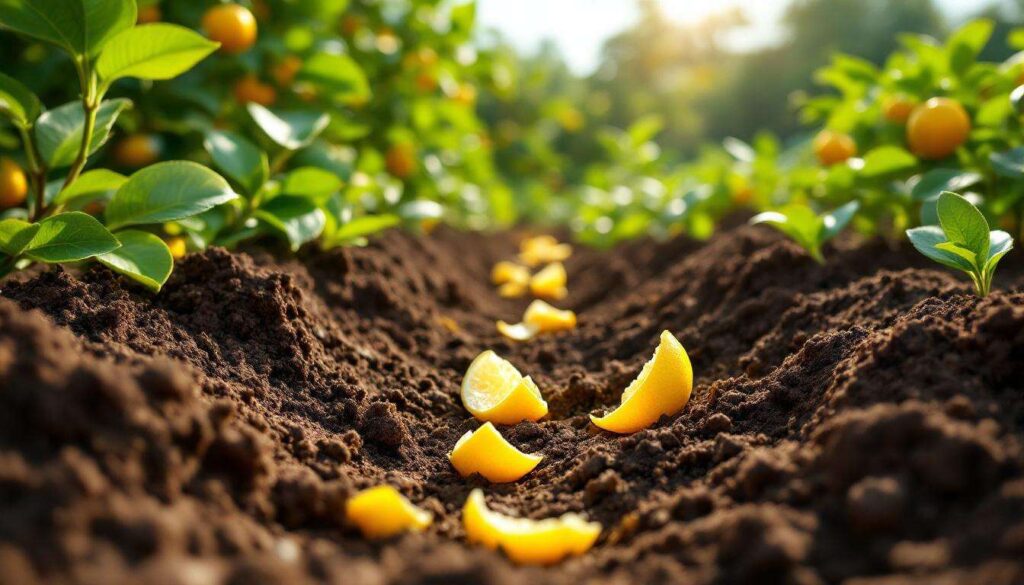
Gardeners and citrus enthusiasts are constantly seeking natural ways to improve the health and productivity of their trees. One surprisingly effective method involves using something most people throw away without a second thought: lemon peels. This simple practice of burying citrus rinds in soil around fruit trees has gained attention for its remarkable impact on plant vitality and fruit production. The technique combines waste reduction with practical horticulture, offering benefits that extend from soil composition to tree growth rates.
Introduction to the benefits of lemon peels for fruit trees
Natural nutrient delivery system
Lemon peels function as a slow-release fertilizer that gradually breaks down in soil, providing essential nutrients over an extended period. Unlike synthetic fertilizers that can cause nutrient spikes and subsequent crashes, organic matter from citrus rinds decomposes at a steady pace. This natural process ensures that citrus trees receive consistent nourishment without the risk of chemical burn or nutrient overload.
Key components in lemon peels
The peels contain several valuable elements that directly benefit fruit trees:
- Nitrogen for leaf development and overall growth
- Potassium to strengthen disease resistance
- Phosphorus for root development and fruit production
- Calcium for cell wall structure
- Magnesium for chlorophyll production
These nutrients work synergistically to create optimal growing conditions for citrus trees, addressing multiple nutritional needs simultaneously.
Understanding the nutrient composition sets the foundation for exploring how these elements specifically improve soil conditions.
Enhancing soil health with the nutrients of lemons
Improving soil structure and drainage
As lemon peels decompose, they contribute organic matter that transforms soil texture. Clay soils become more friable and better draining, while sandy soils gain improved water retention capacity. This organic material creates air pockets that facilitate root penetration and enhance oxygen availability to root systems.
Microbial activity stimulation
The decomposition process attracts beneficial microorganisms that break down organic matter. These microbes include:
- Bacteria that fix nitrogen from the atmosphere
- Fungi that form symbiotic relationships with roots
- Decomposers that convert complex compounds into plant-available forms
- Organisms that suppress soil-borne pathogens
pH level modification
Citrus trees thrive in slightly acidic soil with pH levels between 6.0 and 7.0. Lemon peels naturally lower soil pH as they decompose, creating ideal conditions for citrus cultivation. This acidification helps unlock nutrients that become unavailable in alkaline soils, particularly iron and manganese.
| Soil Condition | Before Lemon Peels | After 3 Months |
|---|---|---|
| pH Level | 7.5 | 6.8 |
| Organic Matter % | 2.1 | 3.8 |
| Nitrogen (ppm) | 15 | 28 |
With improved soil conditions established, the direct effects on tree growth become increasingly apparent.
Boosting citrus growth with lemon peels
Accelerated root development
The nutrient-rich environment created by decomposing lemon peels encourages robust root systems. Stronger roots enable trees to access water and nutrients from deeper soil layers, making them more resilient during drought conditions. Enhanced root mass also provides better anchorage against wind damage.
Increased fruit production and quality
Trees treated with buried lemon peels often exhibit:
- Higher fruit set percentages
- Larger fruit size
- Enhanced juice content
- Improved flavor profiles
- Thicker, healthier peels on harvested fruit
Disease resistance improvements
The natural compounds in lemon peels, including limonene and other essential oils, possess antimicrobial properties. As these substances leach into the soil, they create an environment less hospitable to certain fungal pathogens and bacterial diseases. Additionally, the improved overall health of well-nourished trees makes them naturally more resistant to pest infestations and disease pressure.
Knowing the benefits is valuable, but implementing the technique correctly ensures optimal results.
Methods for effectively burying lemon peels
Preparation techniques
For maximum effectiveness, prepare lemon peels properly before burial:
- Cut peels into small pieces to accelerate decomposition
- Remove any stickers or wax coatings from conventionally grown lemons
- Mix peels with other compostable materials for balanced decomposition
- Consider drying peels first to reduce moisture content and prevent mold
Optimal burial locations and depths
Place lemon peels in strategic locations around the tree’s drip line, where feeder roots are most active. Bury peels at depths of 4 to 6 inches to prevent surface mold while ensuring adequate soil contact. Avoid placing peels directly against the trunk, as this can encourage rot and attract pests.
Frequency and quantity guidelines
| Tree Age | Peels per Application | Frequency |
|---|---|---|
| 1-3 years | 3-5 peels | Monthly |
| 4-7 years | 8-12 peels | Bi-weekly |
| Mature (8+ years) | 15-20 peels | Weekly |
Adjust quantities based on tree size and soil conditions, monitoring for any signs of over-application such as excessive vegetative growth at the expense of fruiting.
Beyond individual garden benefits, this practice contributes to broader environmental goals.
The ecological benefits of recycling lemon peels
Waste reduction impact
Diverting lemon peels from landfills significantly reduces methane emissions associated with organic waste decomposition in anaerobic conditions. When organic materials break down without oxygen in landfills, they produce methane, a greenhouse gas 25 times more potent than carbon dioxide. By composting or burying peels in garden soil, this environmental impact is eliminated.
Reducing chemical fertilizer dependence
Using lemon peels as a natural fertilizer decreases reliance on synthetic products that require energy-intensive manufacturing processes. Chemical fertilizer production contributes substantially to carbon emissions and depletes non-renewable resources. This practice supports sustainable gardening by:
- Minimizing transportation-related emissions from fertilizer shipping
- Reducing water pollution from chemical runoff
- Eliminating packaging waste from commercial fertilizers
- Decreasing soil degradation associated with synthetic inputs
Supporting circular economy principles
The practice embodies circular economy concepts by transforming waste into valuable resources. What begins as kitchen scraps becomes soil amendment, which nourishes trees that produce fruit, creating a self-sustaining cycle. This approach demonstrates how household practices can align with broader sustainability objectives while delivering practical benefits.
Many gardeners have questions about implementing this technique effectively.
Frequently asked questions about using lemon peels in gardening
Can other citrus peels work equally well ?
Yes, peels from oranges, limes, grapefruits, and other citrus fruits provide similar benefits. Each variety offers slightly different nutrient profiles, and mixing various peels can create a more diverse nutrient input. However, avoid using peels treated with pesticides unless thoroughly washed.
Will buried peels attract pests ?
When buried at appropriate depths, lemon peels rarely attract unwanted visitors. Surface application may draw fruit flies or rodents, but proper burial at 4 to 6 inches typically prevents pest issues. If concerns persist, cover burial sites with additional soil or mulch.
How long does decomposition take ?
Decomposition rates vary based on:
- Soil temperature and moisture levels
- Microbial activity in existing soil
- Size of peel pieces
- Soil composition and aeration
Generally, small peel pieces fully decompose within 2 to 4 months under favorable conditions.
Can this practice harm trees ?
When applied correctly, lemon peels pose minimal risk. Excessive quantities might temporarily tie up nitrogen during decomposition or create overly acidic conditions. Monitor tree health and adjust application rates accordingly. Start conservatively and increase gradually based on observed results.
The practice of burying lemon peels around citrus trees represents an intersection of waste reduction and practical horticulture. This simple technique delivers multiple benefits: enriching soil with essential nutrients, improving soil structure and microbial activity, and enhancing tree health and productivity. The method requires minimal effort while providing sustainable alternatives to chemical fertilizers. By transforming kitchen waste into valuable garden resources, gardeners support environmental sustainability while cultivating healthier, more productive citrus trees. Whether managing a single backyard tree or a small orchard, incorporating this practice offers tangible improvements in plant vitality and fruit quality while contributing to broader ecological goals.