
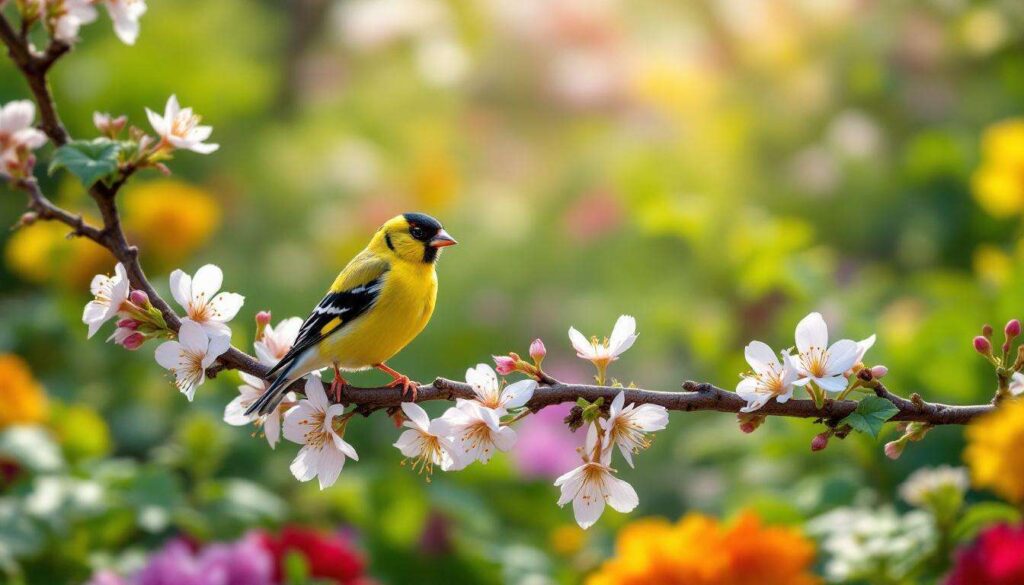
A flash of brilliant yellow catches your eye as you glance through your kitchen window. The vibrant bird perched on your feeder is more than just a pretty visitor. The American goldfinch, with its striking plumage and cheerful song, has long captured the attention of bird enthusiasts and casual observers alike. When this radiant creature makes an appearance in your outdoor space, it brings with it layers of meaning that extend beyond mere aesthetics. From ancient symbolism to modern ecological significance, the goldfinch’s presence speaks volumes about your garden’s health, the surrounding environment, and perhaps even deeper spiritual connections. Understanding what draws these remarkable birds to your yard can transform the way you perceive and interact with the natural world around your home.
The appearance of the goldfinch: symbolic meaning
Historical and cultural significance
Throughout history, the goldfinch has held profound symbolic meaning across various cultures and traditions. In European art, particularly during the Renaissance, the goldfinch frequently appeared in religious paintings as a symbol of Christ’s Passion, representing sacrifice and resurrection. The bird’s affinity for thistle seeds connected it to the crown of thorns, creating a powerful religious metaphor that resonated deeply with believers.
In Native American traditions, the goldfinch symbolized joy, positivity, and the celebration of life’s simple pleasures. Its bright coloring was seen as a reminder to embrace happiness and maintain an optimistic outlook even during challenging times. Many tribes viewed the goldfinch’s arrival as a positive omen signaling good fortune and prosperity.
Modern spiritual interpretations
Contemporary spiritual practitioners often interpret goldfinch sightings as meaningful messages from the universe or departed loved ones. The bird’s appearance may suggest:
- A reminder to embrace joy and maintain a positive attitude
- Encouragement to pursue creative endeavors and express yourself authentically
- A signal that positive changes are approaching in your life
- Validation that you’re on the right path in your personal journey
- A connection to someone who has passed, offering comfort and reassurance
The timing of a goldfinch’s appearance often holds significance for those attuned to such signs. Seeing one during a period of uncertainty might be interpreted as reassurance, while spotting one during a moment of happiness could be viewed as affirmation.
Beyond these symbolic interpretations, there are practical, scientific reasons why these colorful birds choose certain gardens over others.
Why goldfinches visit your garden
Food sources and dietary preferences
Goldfinches possess highly specialized dietary habits that distinguish them from many other backyard birds. Unlike species that primarily consume insects or a varied diet, goldfinches are almost exclusively seed-eaters, with a particular preference for:
- Nyjer seeds (also called thistle seeds)
- Sunflower seeds, especially black oil varieties
- Dandelion seeds
- Zinnia seeds
- Cosmos seeds
- Coneflower seeds
Their specialized beaks are perfectly adapted for extracting seeds from composite flowers and seed heads. This evolutionary adaptation means goldfinches actively seek out gardens that provide abundant seed sources, particularly during late summer and fall when many flowering plants go to seed.
Habitat requirements
Beyond food availability, goldfinches require specific habitat features that make certain gardens more attractive than others. They prefer areas with:
| Habitat Feature | Purpose |
|---|---|
| Open spaces with scattered trees | Foraging areas and perching spots |
| Native shrubs and bushes | Nesting sites and shelter |
| Water sources | Drinking and bathing |
| Tall grasses and wildflowers | Natural seed production |
The presence of these elements creates a welcoming environment that signals to goldfinches that your garden can meet their survival needs. Gardens with pesticide-free zones are particularly attractive, as chemical treatments can eliminate the seeds and plants goldfinches depend upon.
Understanding these preferences naturally leads to the question of how you can intentionally create conditions that encourage these beautiful birds to visit more frequently.
How to attract a goldfinch to your home
Strategic feeder placement and selection
Attracting goldfinches requires thoughtful planning and the right equipment. Specialized tube feeders with small perches work best, as they accommodate the goldfinch’s feeding style while deterring larger, more aggressive birds. Place feeders in locations that offer:
- Partial shade to keep seeds fresh longer
- Visibility from nearby perches where birds can survey for predators
- Distance from windows to prevent collisions
- Easy access for refilling and cleaning
Fill feeders with fresh nyjer seeds, which goldfinches find irresistible. These seeds spoil quickly when exposed to moisture, so regular replacement is essential. Many experienced birders recommend purchasing smaller quantities of seed more frequently rather than bulk buying.
Creating a goldfinch-friendly landscape
The most effective strategy combines feeders with natural food sources grown directly in your garden. Consider planting:
- Purple coneflowers that provide seeds from late summer through winter
- Black-eyed Susans for abundant seed production
- Zinnias in various colors that goldfinches adore
- Sunflowers, particularly smaller varieties that produce manageable seed heads
- Native asters that bloom late in the season
Resist the urge to deadhead these flowers too aggressively. Allowing seed heads to remain on plants provides natural foraging opportunities that goldfinches prefer over artificial feeders. This approach also reduces maintenance while supporting the birds’ natural behaviors.
Water features and bathing opportunities
Goldfinches are enthusiastic bathers and require regular access to clean water. A shallow birdbath with a depth of one to two inches is ideal. Position it near protective cover but with clear sightlines so birds can watch for predators while bathing. Adding a dripper or small fountain creates movement and sound that attracts goldfinches from greater distances.
These attraction methods do more than simply bring beauty to your yard—they contribute to important ecological processes.
Ecological benefits of goldfinches presence
Seed dispersal and plant propagation
Goldfinches play a crucial role in maintaining plant diversity throughout their habitat range. As they feed on seeds, some inevitably fall to the ground or are transported to new locations, facilitating plant reproduction and genetic diversity. This natural seed dispersal helps native plants colonize new areas and maintain healthy populations across the landscape.
Pest control contributions
While primarily seed-eaters, goldfinches occasionally consume small insects, particularly during breeding season when protein requirements increase. They feed aphids and small caterpillars to their nestlings, providing natural pest control that reduces the need for chemical interventions in gardens and agricultural areas.
Indicator species status
The presence and abundance of goldfinches serve as indicators of environmental health. Their populations respond to:
| Environmental Factor | Impact on Goldfinch Population |
|---|---|
| Native plant diversity | Higher diversity supports larger populations |
| Pesticide use | Chemical treatments reduce food availability |
| Habitat fragmentation | Isolated patches limit breeding success |
| Climate patterns | Affects migration timing and breeding cycles |
Monitoring goldfinch activity in your garden provides valuable data about the broader ecosystem’s condition and can alert you to environmental changes that might otherwise go unnoticed.
To fully appreciate these ecological contributions, you need to accurately identify the goldfinches visiting your space.
Observation and identification of goldfinches
Seasonal plumage variations
American goldfinches undergo dramatic seasonal changes in appearance that can confuse novice observers. Males display brilliant yellow plumage with black wings and a distinctive black cap during breeding season, typically from late spring through early fall. In winter, both sexes adopt more subdued olive-brown coloring that provides better camouflage.
Key identification features that remain consistent year-round include:
- White wing bars visible in flight
- Notched tail shape
- Conical, seed-eating bill
- Undulating flight pattern described as bouncy
- Distinctive “po-ta-to-chip” call notes
Behavioral characteristics
Goldfinches exhibit unique behaviors that aid in identification even when plumage is less distinctive. They typically feed while perched on seed heads or hanging upside down from plants, demonstrating remarkable acrobatic ability. Their social nature means they often appear in small flocks rather than as solitary individuals.
During breeding season, males perform elaborate courtship flights, circling high above territories while singing continuously. This aerial display combined with their bright coloring makes them particularly conspicuous during summer months.
Recording and documenting sightings
Maintaining observation records contributes to citizen science efforts that help researchers understand goldfinch populations and movements. Consider participating in programs like:
- eBird for recording daily observations
- Project FeederWatch for winter monitoring
- Great Backyard Bird Count for annual surveys
These contributions provide valuable data while deepening your personal connection to the birds visiting your garden.
The presence of goldfinches in your yard reveals important information about the health of your local ecosystem.
The presence of goldfinches and local biodiversity
Connection to native plant communities
Goldfinch populations directly reflect the health and diversity of native plant communities in your area. Gardens that support goldfinches typically contain robust populations of native wildflowers and grasses that have co-evolved with local bird species. This relationship demonstrates the interconnected nature of healthy ecosystems where each element supports others.
When goldfinches thrive in your garden, it indicates that your landscape provides:
- Adequate native seed-producing plants
- Minimal pesticide contamination
- Appropriate nesting materials and sites
- Sufficient water resources
- Connectivity to larger habitat patches
Supporting broader wildlife communities
Gardens that attract goldfinches simultaneously support numerous other species that depend on similar resources. The same native plants that produce seeds for goldfinches provide nectar for pollinators, shelter for beneficial insects, and food for other bird species. This creates a cascading effect where improvements made for one species benefit entire ecological communities.
Urban and suburban conservation importance
As natural habitats face increasing pressure from development, residential gardens play an increasingly critical role in conservation efforts. Goldfinch-friendly yards create stepping stones between larger habitat patches, allowing birds to move safely through fragmented landscapes. This connectivity is essential for maintaining genetic diversity and population health across regions.
The appearance of a goldfinch in your garden signals more than a momentary encounter with beauty. These vibrant birds serve as ambassadors for healthy ecosystems, indicators of environmental quality, and reminders of nature’s intricate connections. Their presence reflects your garden’s ability to provide essential resources while contributing to broader conservation efforts. Whether you interpret their arrival through symbolic, spiritual, or purely ecological lenses, goldfinches offer valuable insights into the natural world. By understanding their needs and creating welcoming habitats, you participate in preserving biodiversity while enjoying the daily rewards of their cheerful presence. The goldfinch’s visit represents an invitation to engage more deeply with the living landscape surrounding your home and to recognize your role in supporting thriving wildlife communities.