


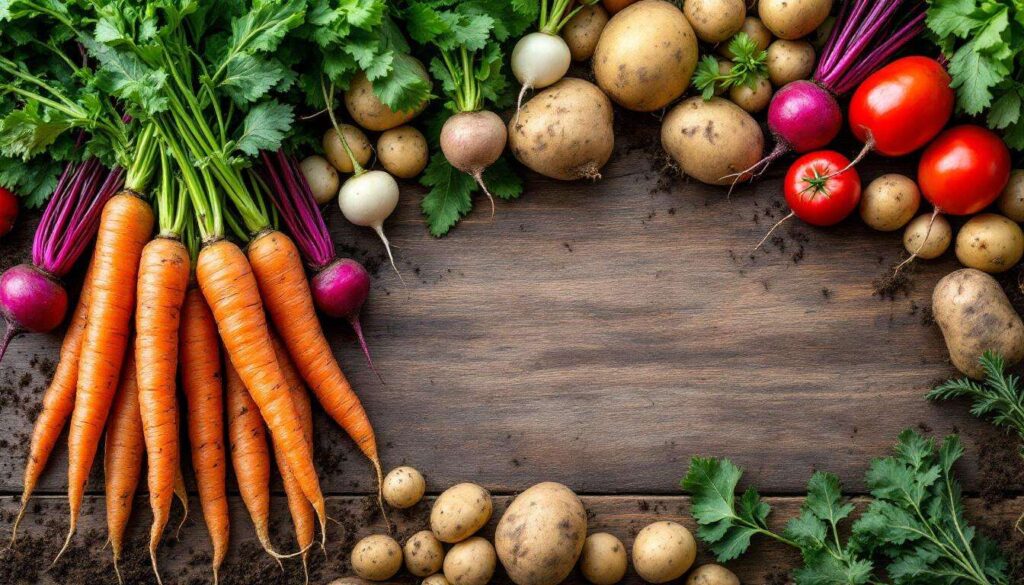
Root vegetables remain one of gardening’s best-kept secrets, quietly thriving beneath the soil while their leafy counterparts steal the spotlight. These underground powerhouses have sustained civilizations for millennia, yet many modern gardeners struggle to identify more than a handful of common varieties. Testing your knowledge of these subterranean treasures reveals not just botanical expertise but a deeper connection to traditional cultivation practices and culinary heritage.
Introduction to root vegetables: a hidden treasure
Root vegetables represent a diverse category of crops that store their primary nutrients and energy reserves in underground structures. Unlike fruits or leafy greens that develop above ground, these plants concentrate their edible portions beneath the surface, creating dense, nutrient-rich storage organs designed to sustain the plant through dormant periods.
What defines a true root vegetable
The botanical classification of root vegetables includes several distinct types of underground structures. True roots like carrots and radishes develop from the plant’s radicle, while modified stems such as potatoes grow from specialized underground shoots called tubers. Understanding these differences helps gardeners provide appropriate care and harvesting techniques.
- Taproot vegetables: carrots, parsnips, radishes, turnips
- Tuberous roots: sweet potatoes, cassava, dahlias
- Bulbs: onions, garlic, fennel
- Tubers: potatoes, Jerusalem artichokes
- Corms: taro, water chestnuts
Nutritional powerhouses from below ground
Root vegetables pack impressive nutritional profiles into compact packages. Their complex carbohydrates provide sustained energy, while high fiber content supports digestive health. Many varieties contain significant amounts of vitamins A and C, potassium, and antioxidants that combat cellular damage.
| Root Vegetable | Primary Nutrients | Calories per 100g |
|---|---|---|
| Carrots | Vitamin A, beta-carotene | 41 |
| Beets | Folate, manganese | 43 |
| Sweet potatoes | Vitamin A, fiber | 86 |
| Turnips | Vitamin C, potassium | 28 |
The remarkable storage capabilities of these vegetables made them essential survival crops throughout human history, particularly in regions with harsh winters where fresh produce became scarce. This historical significance extends into modern gardening practices and food security discussions.
The unsung stars of the vegetable garden
While tomatoes and lettuce dominate garden catalogs and farmers’ markets, several exceptional root vegetables deserve recognition for their versatility, resilience, and unique flavors that elevate both simple and sophisticated dishes.
Beyond carrots and potatoes
Celeriac, also known as celery root, produces a knobby, irregular bulb with intense celery flavor concentrated in its dense white flesh. This often-overlooked vegetable thrives in cool climates and stores exceptionally well through winter months. Parsnips offer sweet, nutty flavors that intensify after exposure to frost, making them ideal for late-season harvesting.
Rutabagas combine the best characteristics of turnips and cabbage, developing large, golden-fleshed roots with subtle sweetness and peppery undertones. These hardy brassicas withstand freezing temperatures and actually improve in flavor after cold exposure.
Exotic varieties gaining popularity
Modern gardeners increasingly experiment with less common root vegetables from diverse culinary traditions. Salsify, nicknamed the oyster plant for its subtle seafood-like flavor, produces long, slender roots with creamy texture when cooked. Scorzonera, or black salsify, offers similar characteristics with striking dark skin concealing pale, delicate flesh.
- Kohlrabi: swollen stem with crisp, mild flavor
- Jicama: sweet, crunchy Mexican turnip
- Horseradish: pungent root for condiments
- Ginger: aromatic rhizome with medicinal properties
- Radish varieties: from mild daikon to spicy watermelon radish
These diverse options demonstrate how root vegetables span global cuisines and growing conditions, offering something for every garden and palate.
How to recognize a root vegetable ?
Identifying root vegetables requires attention to both above-ground foliage and underground characteristics, as visual cues from leaves, stems, and growth patterns reveal what lies beneath the soil surface.
Foliage indicators and growth patterns
Carrot family members display feathery, fern-like leaves that distinguish them from other vegetables, while beet greens grow in colorful rosettes with prominent veins matching their root colors. Radish leaves emerge quickly with broad, rough-textured surfaces, signaling rapid root development below.
The growth habit provides additional clues: root vegetables typically develop compact, ground-hugging foliage that directs energy downward rather than producing tall, sprawling vines or extensive branching structures.
Harvesting time identification
Experienced gardeners recognize harvest readiness through several physical indicators. The shoulder of many root vegetables pushes slightly above the soil line when mature, allowing visual assessment of size and color. Cracking soil around the plant base suggests the root has reached full dimensions.
| Vegetable | Days to Maturity | Visual Harvest Cue |
|---|---|---|
| Radishes | 25-30 | Bulb visible at soil surface |
| Carrots | 60-80 | Orange crown showing |
| Beets | 50-70 | 1-3 inch diameter visible |
| Parsnips | 100-120 | Foliage begins yellowing |
Understanding these recognition patterns enables gardeners to maximize flavor and texture by harvesting at optimal maturity while avoiding overgrown, woody specimens.
The essentials of the organic garden
Successful organic cultivation of root vegetables demands specific soil conditions, pest management strategies, and sustainable practices that promote healthy development without synthetic interventions.
Soil preparation fundamentals
Loose, well-draining soil proves essential for proper root expansion and development. Compacted earth forces roots to grow stunted, twisted, or forked rather than developing the straight, uniform shapes desired for culinary use. Working compost into the top 12-18 inches creates ideal texture while providing gradual nutrient release.
Most root vegetables prefer slightly acidic to neutral pH between 6.0 and 7.0, though specific varieties tolerate wider ranges. Testing soil annually allows gardeners to make necessary amendments before planting.
Natural pest and disease control
Root vegetables face distinct challenges from underground pests and soil-borne diseases. Crop rotation prevents pathogen buildup by avoiding planting related species in the same location for three to four years. Beneficial nematodes control root maggots and wireworms without harming earthworms or soil ecology.
- Floating row covers exclude carrot rust flies and flea beetles
- Companion planting with alliums deters many root pests
- Proper spacing improves air circulation, reducing fungal diseases
- Mulching maintains consistent moisture and suppresses weeds
- Hand-picking removes larger pests like cutworms and beetles
These organic approaches create resilient garden ecosystems that support healthy root development while minimizing environmental impact and chemical residues.
Growing and cooking root vegetables
Mastering both cultivation techniques and culinary applications allows gardeners to fully appreciate the versatility of root vegetables from seed to table, maximizing their garden investment through proper storage and creative preparation methods.
Cultivation tips for maximum yield
Direct seeding works best for most root vegetables since transplanting disturbs developing roots and often results in deformed specimens. Sowing seeds at proper depth and spacing prevents overcrowding that stunts growth. Thinning seedlings, though seemingly wasteful, allows remaining plants to develop full-sized roots.
Consistent moisture proves critical throughout the growing season. Irregular watering causes splitting in carrots and beets or woody texture in turnips and radishes. Drip irrigation or soaker hoses deliver water directly to root zones while keeping foliage dry.
From harvest to kitchen
Proper post-harvest handling extends storage life and preserves nutritional quality. Removing tops immediately after harvesting prevents moisture loss, while curing certain varieties like sweet potatoes in warm, humid conditions toughens skins for long-term storage.
Root vegetables adapt to numerous cooking methods that highlight their natural flavors. Roasting caramelizes natural sugars, creating crispy exteriors and tender interiors. Braising in broths infuses savory depth, while raw preparations in slaws and salads showcase crisp textures and fresh flavors.
- Mashing: creates smooth, creamy side dishes
- Gratin preparations: layer thinly sliced roots with cream and cheese
- Pickling: preserves excess harvest with tangy flavors
- Soups and stews: develop complex, hearty meals
- Chips and fries: offer healthy alternatives to potato versions
Root vegetables represent a cornerstone of sustainable gardening and nutritious eating. Their ability to thrive in diverse conditions, store through winter months, and adapt to countless culinary applications makes them indispensable for serious gardeners. Whether you successfully identified all ten varieties or discovered new options to explore, expanding your root vegetable repertoire enriches both garden beds and dinner plates with time-tested crops that continue proving their worth season after season.