



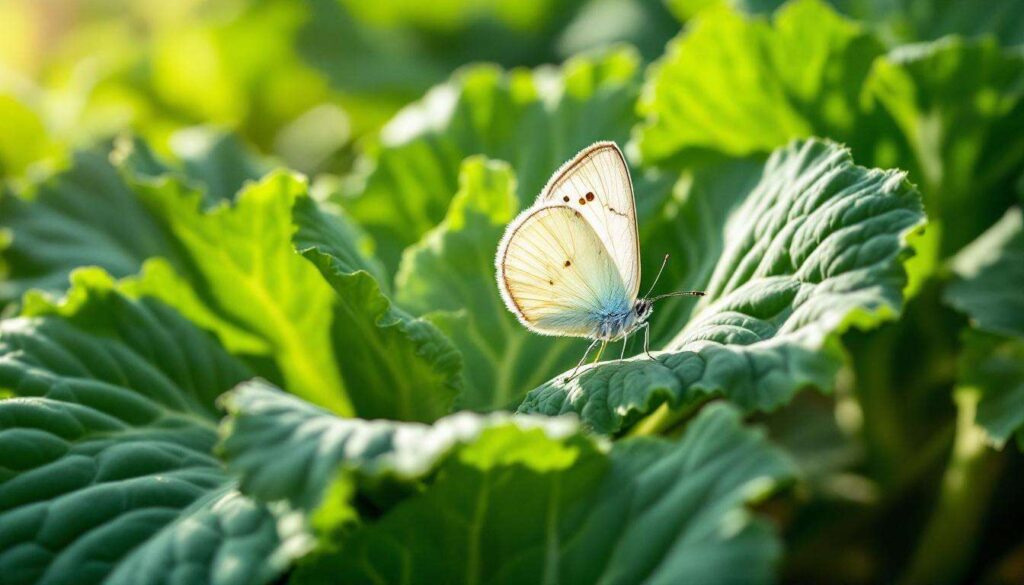
Vegetable gardeners who cultivate brassicas quickly become familiar with the persistent challenge posed by small white butterflies fluttering gracefully above their crops. These seemingly harmless insects represent one of the most destructive pests in home gardens, capable of decimating entire plantings of cabbage, broccoli, kale, and related crops within weeks. The caterpillars they produce feed voraciously on foliage, leaving behind skeletonized leaves and contaminated harvests. Fortunately, effective prevention strategies exist that don’t rely on chemical interventions. Physical barriers such as row covers combined with strategic companion planting offer gardeners reliable protection against these damaging pests while maintaining organic growing practices.
Introduction to the cabbage white butterfly in the vegetable garden
Identifying the cabbage white butterfly
The cabbage white butterfly, scientifically known as Pieris rapae, appears as a small to medium-sized butterfly with distinctive white wings marked by black spots. Female butterflies display two black spots on each forewing, while males have only one spot, making gender identification relatively straightforward for observant gardeners. These butterflies measure approximately 1.5 to 2 inches across when their wings are fully extended, and they exhibit a characteristic fluttering flight pattern as they navigate through garden spaces searching for suitable host plants.
Life cycle and reproduction patterns
Understanding the reproductive behavior of cabbage white butterflies helps gardeners anticipate and prevent infestations. Female butterflies lay small, bullet-shaped yellow eggs individually on the undersides of brassica leaves. A single female can deposit up to 300 eggs during her lifetime, which spans approximately three weeks during warm weather. The eggs hatch within four to eight days, depending on temperature conditions, releasing tiny green caterpillars that immediately begin feeding on their host plants.
| Life Stage | Duration | Characteristics |
|---|---|---|
| Egg | 4-8 days | Yellow, bullet-shaped, laid singly |
| Larva (Caterpillar) | 2-3 weeks | Green with yellow stripes, voracious feeder |
| Pupa (Chrysalis) | 1-2 weeks | Attached to stems or nearby structures |
| Adult (Butterfly) | 2-3 weeks | White wings with black spots |
The complete life cycle from egg to adult butterfly takes approximately five to eight weeks during optimal conditions, allowing for multiple generations throughout a single growing season in most climates. This rapid reproduction rate explains why cabbage white populations can explode quickly once established in a garden area.
These biological characteristics make the cabbage white butterfly particularly challenging for vegetable growers who must remain vigilant throughout the entire growing season.
Why the cabbage white butterfly is a problem
Target crops and host plant preferences
Cabbage white butterflies exclusively target plants in the Brassicaceae family, which includes many popular vegetable crops. Their preferred hosts include:
- Cabbage (all varieties including red, green, and savoy)
- Broccoli and broccolini
- Cauliflower and romanesco
- Kale and collard greens
- Brussels sprouts
- Kohlrabi
- Turnips and rutabagas
- Radishes (particularly the foliage)
- Arugula and mustard greens
The butterflies detect these plants through chemical compounds called glucosinolates, which give brassicas their characteristic pungent flavor. These same compounds that attract the pests also provide health benefits to humans, creating an unfortunate connection between nutritious crops and pest problems.
Economic and harvest impacts
The presence of cabbage white butterflies in vegetable gardens creates significant problems for both commercial growers and home gardeners. Beyond the visible leaf damage, caterpillar frass (excrement) contaminates edible portions of crops, making them unappetizing and potentially unsafe for consumption. Commercial growers face rejection of entire harvests when butterfly eggs or caterpillars are discovered on produce destined for market, resulting in substantial financial losses.
The severity of these impacts makes prevention essential rather than optional for anyone seriously cultivating brassica crops.
The damage of caterpillars on crops
Feeding behavior and destruction patterns
Cabbage white caterpillars are remarkably efficient feeding machines that consume plant tissue at an alarming rate. Young caterpillars initially create small holes in leaves, but as they mature and their appetites increase, they devour progressively larger sections of foliage. The caterpillars feed continuously during daylight hours, pausing only briefly to rest before resuming their destructive behavior.
The feeding damage follows predictable patterns that help gardeners identify the culprit. Caterpillars typically feed from the outer edges of leaves inward, leaving behind the tougher leaf veins and creating a skeletonized appearance. On heading brassicas like cabbage and Brussels sprouts, caterpillars burrow deep into the developing heads, making them impossible to clean adequately and rendering the entire crop unusable.
Secondary problems caused by caterpillar activity
Beyond direct consumption of plant tissue, caterpillar activity creates additional problems that compromise crop health and quality:
- Open wounds on leaves provide entry points for bacterial and fungal pathogens
- Frass accumulation promotes disease development in humid conditions
- Extensive defoliation weakens plants and reduces photosynthetic capacity
- Contamination makes thorough cleaning of harvested produce extremely difficult
- Damaged plants become more susceptible to secondary pest infestations
These compounding effects mean that even moderate caterpillar populations can cause disproportionate damage to vegetable crops, making early intervention critical.
Understanding the full scope of damage caused by these caterpillars underscores the importance of implementing effective prevention strategies before populations become established.
How row covers work
Physical barrier protection mechanism
Row covers function as physical barriers that prevent adult butterflies from accessing plants to lay eggs. These lightweight fabric materials, typically made from spun polyester or polypropylene, allow sunlight, air, and water to penetrate while excluding flying insects. When properly installed, row covers create an impenetrable shield that eliminates the possibility of egg-laying on protected crops.
The effectiveness of row covers depends entirely on proper installation and maintenance. Covers must be secured tightly to the ground along all edges using soil, sandbags, landscape staples, or specialized clips. Even small gaps or loose sections provide entry points for determined butterflies, compromising the entire protection system.
Types of row covers and selection criteria
| Row Cover Type | Weight | Light Transmission | Best Uses |
|---|---|---|---|
| Lightweight | 0.5 oz/sq yd | 90-95% | Summer pest protection, minimal temperature modification |
| Medium weight | 0.9 oz/sq yd | 85-90% | Spring/fall use, moderate frost protection |
| Heavyweight | 1.5-2.0 oz/sq yd | 70-85% | Winter protection, significant temperature modification |
For cabbage white butterfly control during the main growing season, lightweight covers provide optimal results. They offer excellent pest exclusion while minimizing heat buildup under the fabric, which can stress plants during warm weather.
Installation and maintenance best practices
Successful row cover use requires attention to several critical factors. Install covers immediately after transplanting or when seedlings emerge, before butterflies appear in the garden. Support the fabric with hoops or stakes to prevent it from resting directly on plant foliage, which can cause abrasion damage and restrict growth. Remove covers periodically to inspect plants, weed, and perform maintenance tasks, then reinstall them promptly to maintain protection.
While row covers provide excellent physical protection, combining them with other strategies creates even more robust pest management systems.
Companion planting to deter butterflies
How companion plants provide protection
Companion planting leverages the natural properties of certain plants to create less favorable conditions for cabbage white butterflies. This strategy works through multiple mechanisms that collectively reduce pest pressure on vulnerable brassica crops. Strong-scented herbs and flowers can mask the chemical signals that butterflies use to locate their preferred host plants, effectively camouflaging brassicas within a diverse planting scheme.
Aromatic compounds released by companion plants confuse and repel adult butterflies, making them less likely to land and lay eggs on nearby brassicas. Additionally, some companion plants attract beneficial insects that prey on cabbage white eggs and young caterpillars, providing biological control that supplements physical deterrence.
Strategic placement for maximum effectiveness
The positioning of companion plants significantly influences their protective value. Interplanting companions directly among brassica rows creates the strongest deterrent effect by thoroughly mixing scents and visual cues. Alternatively, planting aromatic companions as border rows around brassica beds provides a protective perimeter that butterflies must navigate before reaching vulnerable crops.
- Interplant companions at regular intervals throughout brassica plantings
- Create dense plantings that obscure brassicas from butterfly view
- Position tall companions on the windward side to maximize scent dispersal
- Maintain companion plants throughout the entire brassica growing season
- Combine multiple companion species for enhanced protection
Research indicates that diverse plantings with multiple companion species provide better protection than monoculture approaches, as they create more complex sensory environments that butterflies find difficult to navigate.
These planting strategies work best when gardeners select companions with proven effectiveness against cabbage white butterflies.
Choosing the right companion plants for vegetable garden success
Most effective companion plants
Certain plants have demonstrated consistent effectiveness in deterring cabbage white butterflies through scientific observation and traditional gardening practice. Strongly aromatic herbs lead the list of beneficial companions, with their volatile oils creating olfactory barriers that confuse pest insects.
Top companion plant choices include:
- Thyme: releases powerful aromatic compounds that mask brassica scents
- Rosemary: produces strong oils that repel many flying insects including butterflies
- Sage: offers both aromatic protection and attracts beneficial predatory insects
- Mint: creates dense growth with intense fragrance, though requires containment
- Nasturtium: serves as a trap crop while adding visual confusion
- Marigolds: produce pyrethrum-like compounds with insect-repelling properties
- Garlic and onions: release sulfur compounds that butterflies find objectionable
Implementation strategies for different garden sizes
Garden scale influences the most practical companion planting approach. Small gardens benefit from intensive interplanting that maximizes the protective effect per square foot, while larger operations may find border plantings more manageable. Container gardeners can position pots of aromatic herbs directly adjacent to brassica containers, creating protective clusters that butterflies avoid.
| Garden Size | Recommended Strategy | Companion Ratio |
|---|---|---|
| Small beds (under 50 sq ft) | Intensive interplanting | 1 companion per 2-3 brassicas |
| Medium beds (50-200 sq ft) | Row interplanting plus borders | 1 companion per 4-5 brassicas |
| Large plots (over 200 sq ft) | Border rows with strategic clusters | Border rows plus interior groupings |
Combining methods for comprehensive protection
The most successful pest management systems combine row covers with companion planting to create layered defenses that address different aspects of the problem. Use row covers during peak butterfly activity periods in spring and early summer, then transition to companion planting strategies as weather warms and covers become less practical. This integrated approach provides season-long protection while accommodating the changing needs of growing plants and varying environmental conditions.
Gardeners who cultivate brassica crops face persistent challenges from cabbage white butterflies, but effective solutions exist that don’t require chemical interventions. Row covers provide immediate, reliable physical protection when properly installed and maintained throughout vulnerable growth stages. Companion planting offers a complementary strategy that creates less favorable conditions for butterflies while enhancing garden biodiversity and supporting beneficial insects. The most successful approach combines both methods, using row covers during critical establishment periods and companion plants for ongoing deterrence. By understanding butterfly behavior, recognizing damage patterns, and implementing these proven prevention strategies, vegetable gardeners can successfully protect their brassica crops and enjoy abundant, pest-free harvests throughout the growing season.