



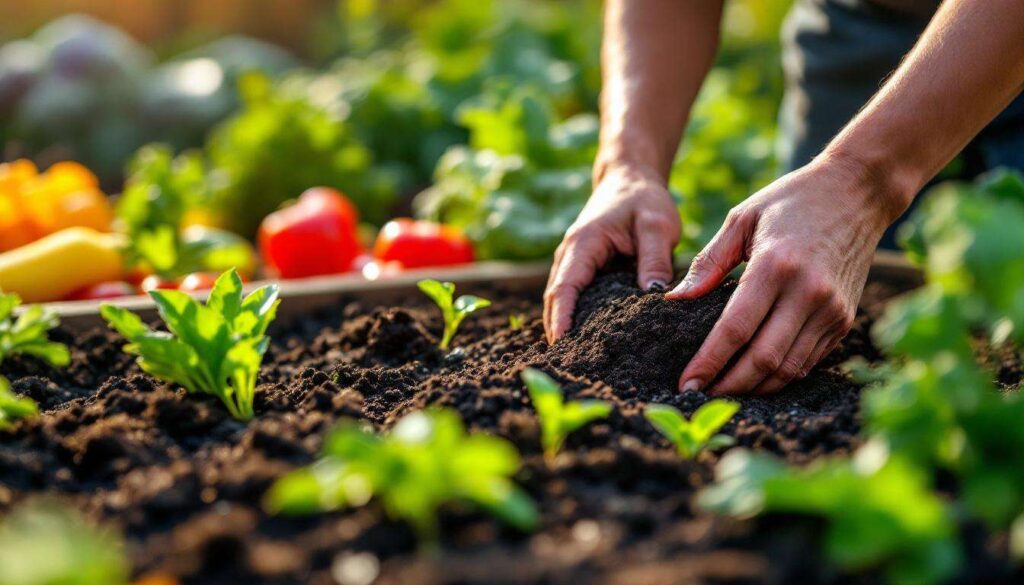
Growing vegetables in raised beds has become increasingly popular among home gardeners seeking better control over their growing environment. The secret to thriving plants and abundant harvests lies not just in the structure itself, but in the carefully crafted soil mix that fills it. A well-balanced combination of compost, potting soil, and perlite creates the perfect foundation for root development, nutrient availability, and water management. This strategic blend addresses the specific needs of vegetable plants while compensating for the unique challenges that raised bed gardening presents. Understanding how these three components work together transforms ordinary raised beds into highly productive growing spaces that outperform traditional in-ground gardens.
Understanding the role of raised beds in the vegetable garden
The structural advantages of elevated growing spaces
Raised beds offer superior drainage and soil warming compared to ground-level gardens. The elevated design allows excess water to drain more efficiently, preventing root rot and fungal diseases that plague poorly drained areas. These structures also warm up faster in spring, extending the growing season by several weeks. The defined borders make it easier to control soil quality and prevent contamination from surrounding areas, particularly important in yards with poor native soil or potential pollutants.
Accessibility and maintenance benefits
The raised height reduces the physical strain of gardening activities, making it easier to plant, weed, and harvest without excessive bending. This accessibility factor has made raised beds particularly valuable for gardeners with mobility limitations. The contained space also simplifies maintenance tasks:
- Targeted watering reduces water waste
- Concentrated fertilization improves nutrient efficiency
- Easier pest monitoring and control
- Reduced soil compaction from foot traffic
The controlled environment of raised beds creates an ideal testing ground for perfecting soil composition, which leads directly to understanding why the right mix matters so much.
The importance of soil mix for a successful vegetable garden
Why native soil falls short in raised beds
Simply filling raised beds with existing garden soil creates significant problems that undermine the advantages of elevated growing. Native soil often compacts when confined, restricting root growth and limiting oxygen availability. Without the natural soil ecosystem extending below, plants rely entirely on what the raised bed provides. This makes the quality and composition of the fill material absolutely critical for success.
The three essential functions of proper soil mix
An effective raised bed soil mix must simultaneously accomplish three vital tasks. First, it must provide adequate nutrition throughout the growing season. Second, it needs to retain sufficient moisture while allowing excess water to drain freely. Third, it must maintain a loose, friable structure that permits root penetration and air circulation. The combination of compost, potting soil, and perlite addresses each of these requirements through complementary properties:
| Component | Primary Function | Recommended Proportion |
|---|---|---|
| Compost | Nutrient supply and microbial activity | 30-40% |
| Potting soil | Water retention and structure | 40-50% |
| Perlite | Drainage and aeration | 10-20% |
With these proportions in mind, selecting quality ingredients becomes the next critical step, starting with the foundation of any healthy garden soil.
Choosing the ideal compost for your garden
Characteristics of high-quality compost
Mature, well-decomposed compost forms the nutritional backbone of your soil mix. Quality compost should have an earthy smell without ammonia odors, indicating complete decomposition. The texture should be crumbly and dark brown to black in color. Avoid compost that contains visible food scraps, woody chunks, or uncomposted materials that will continue breaking down in your beds, potentially robbing nitrogen from your plants during decomposition.
Sources and types of compost to consider
Gardeners have several options for obtaining quality compost. Homemade compost from kitchen scraps and yard waste provides the most economical option and allows complete control over ingredients. Commercial compost products offer consistency and convenience, though quality varies significantly between brands. Mushroom compost and aged manure provide excellent alternatives with different nutrient profiles:
- Homemade compost: cost-effective, variable nutrient content
- Commercial bagged compost: consistent quality, higher cost
- Mushroom compost: rich in organic matter, slightly alkaline
- Aged manure: high nitrogen content, requires proper aging
- Municipal compost: affordable bulk option, test for contaminants
Once you’ve secured quality compost, the next component adds critical water management capabilities to your mix.
The benefits of potting soil in the soil mix
Why potting soil outperforms topsoil
Many gardeners mistakenly use topsoil in raised beds, but potting soil offers superior performance for container-like environments. Potting soil is specifically formulated to remain loose and resist compaction, unlike topsoil which becomes dense when confined. The lightweight nature of potting soil reduces the overall weight on raised bed structures while maintaining the porosity that vegetable roots require. Quality potting soil contains peat moss or coconut coir that holds moisture effectively without becoming waterlogged.
Understanding potting soil composition
Standard potting soil typically contains a blend of peat moss, composted bark, and sometimes perlite or vermiculite. This combination creates a medium that balances water retention with adequate drainage. When selecting potting soil for your raised bed mix, look for products without added fertilizers, as the compost component will provide nutrition. The potting soil serves primarily as a structural element that maintains the physical properties needed for root growth and water management throughout multiple growing seasons.
While potting soil handles moisture retention, the final component ensures that excess water doesn’t accumulate and suffocate plant roots.
Why perlite is essential for your soil
The unique properties of volcanic glass
Perlite consists of heated volcanic glass that expands into lightweight, porous particles. These white granules don’t decompose or compact over time, providing permanent improvement to soil structure. The irregular surface and internal pockets of perlite particles create air spaces that remain even when soil is saturated, ensuring roots always have access to oxygen. This characteristic makes perlite particularly valuable in raised beds where drainage issues can develop more quickly than in ground-level gardens.
Drainage and aeration benefits
The addition of perlite prevents the common problem of waterlogged soil that kills more vegetable plants than drought. By creating pathways for excess water to escape, perlite protects roots from rot while maintaining the moisture held by compost and potting soil. The improved aeration also supports beneficial soil microorganisms that require oxygen to thrive. These microbes play crucial roles in nutrient cycling and disease suppression:
- Prevents water accumulation around roots
- Maintains soil structure during heavy watering
- Improves oxygen availability for roots and microbes
- Reduces risk of fungal diseases
- Lightens overall soil weight
Understanding these individual components sets the stage for combining them effectively and maintaining the mixture over time.
How to prepare and maintain your soil mix
Initial mixing and bed filling techniques
Creating the ideal soil mix requires thorough blending of all components before filling your raised beds. Mix ingredients in a wheelbarrow or on a tarp, breaking up any clumps and ensuring even distribution. For a standard raised bed, combine 40% potting soil, 35% compost, and 15% perlite, adjusting slightly based on your climate and drainage needs. Fill beds completely, as the mix will settle 10-15% after initial watering. Water thoroughly after filling to help components integrate and identify any settling that requires additional material.
Seasonal maintenance and replenishment
The soil mix requires regular attention to maintain its productive capacity. Add 1-2 inches of fresh compost at the beginning of each growing season to replenish nutrients consumed by previous crops. The potting soil and perlite components remain relatively stable, but compost decomposes and compacts over time. Monitor soil levels throughout the season and top-dress as needed. Every 2-3 years, consider mixing in additional perlite to maintain drainage properties:
- Spring: add fresh compost layer before planting
- Mid-season: apply compost tea or liquid fertilizers
- Fall: incorporate cover crop residues or additional compost
- Annual soil test: adjust amendments based on results
Proper maintenance ensures your soil mix continues delivering excellent results season after season.
The combination of compost, potting soil, and perlite creates an optimal growing environment that addresses all the critical needs of vegetable plants in raised beds. This balanced approach provides nutrition through compost, moisture management via potting soil, and essential drainage from perlite. By understanding each component’s role and maintaining proper proportions, gardeners can achieve consistently superior results compared to using single ingredients or random soil combinations. Regular maintenance through seasonal compost additions keeps the mix productive for years, making raised bed gardening both successful and sustainable.