


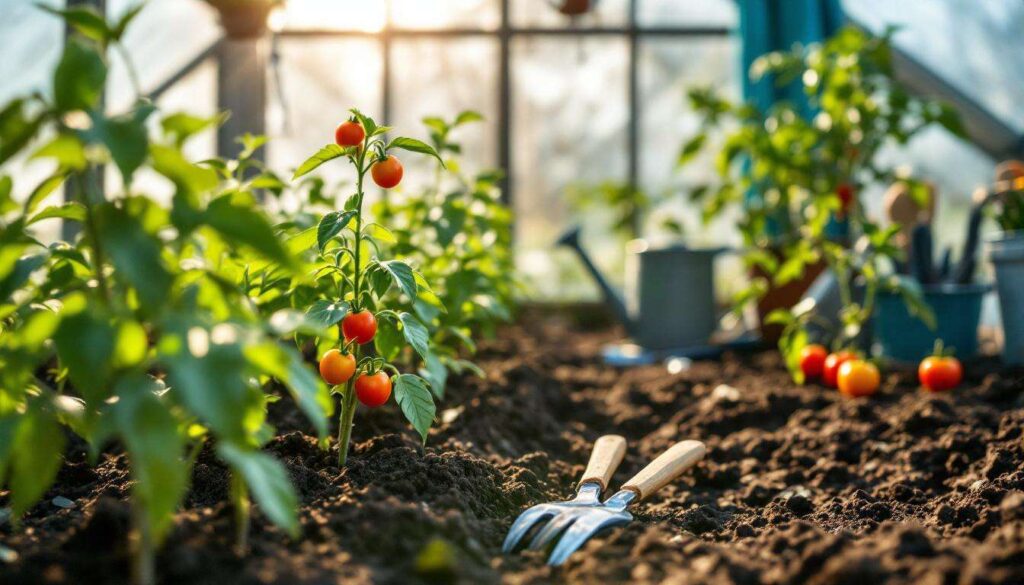
As spring approaches, gardeners face a critical decision about when and how to start their vegetable seedlings. The unpredictable weather patterns of early spring can make outdoor planting a risky endeavor, potentially stunting growth or damaging tender young plants. Greenhouse gardening offers a compelling solution to these challenges, providing a controlled environment where seedlings can thrive regardless of external conditions. For tomato and bell pepper enthusiasts, the benefits are particularly striking, with greenhouse-grown seedlings in March demonstrating growth rates that can double compared to their outdoor counterparts. This accelerated development translates into earlier harvests and more robust plants capable of producing abundant yields throughout the growing season.
Benefits of greenhouse gardening in spring
Extended growing season and climate control
Greenhouse structures fundamentally transform the growing calendar by creating a microclimate independent of outdoor temperatures. This controlled environment allows gardeners to begin planting weeks or even months earlier than traditional outdoor schedules would permit. The protective glass or polycarbonate panels trap solar radiation, maintaining warmer soil and air temperatures that are essential for seed germination and early growth phases.
- Protection from late frosts and unexpected cold snaps
- Consistent temperature regulation day and night
- Reduced exposure to harsh winds and heavy rainfall
- Ability to maintain optimal humidity levels
- Extended harvest periods into late fall
Pest and disease management advantages
The enclosed nature of greenhouse gardening provides significant barriers against common garden pests that plague outdoor crops. Insects, birds, and small mammals have limited access to seedlings protected under glass, reducing the need for chemical interventions. Additionally, the controlled environment minimizes fungal diseases that thrive in damp, poorly ventilated outdoor conditions. Gardeners can monitor their plants more closely in the confined space, identifying potential problems before they escalate into serious threats.
These protective benefits establish the foundation for understanding why timing matters so critically when implementing greenhouse strategies.
Why use a greenhouse in March
Optimal timing for warm-season vegetables
March represents a strategic window for starting tomato and bell pepper seedlings under glass. These warm-season crops require soil temperatures between 65-85°F for optimal germination, conditions rarely available outdoors in early spring across most growing zones. By initiating seedlings in March within a greenhouse, gardeners align their planting schedule to produce transplant-ready plants by late April or early May, perfectly timed for outdoor garden placement after the last frost date.
| Location | Outdoor Soil Temp (March) | Greenhouse Soil Temp (March) |
|---|---|---|
| Northern zones (3-5) | 35-45°F | 65-75°F |
| Central zones (6-7) | 45-55°F | 70-80°F |
| Southern zones (8-10) | 55-65°F | 75-85°F |
Maximizing daylight hours
March also provides increasingly longer daylight periods as the spring equinox approaches, offering seedlings more natural light exposure essential for photosynthesis and vigorous growth. Greenhouse glazing amplifies these benefits by capturing and concentrating available sunlight, creating an environment where plants receive both adequate light intensity and duration. This natural advantage reduces or eliminates the need for supplemental grow lights that would be necessary for earlier winter starts.
Understanding this timing naturally leads to examining what specific conditions make greenhouse environments so effective for these particular crops.
Ideal conditions for tomato and bell pepper seedlings
Temperature requirements for optimal germination
Both tomatoes and bell peppers are heat-loving plants with specific temperature preferences during their vulnerable seedling stage. Tomato seeds germinate best at soil temperatures between 75-85°F, while bell peppers prefer slightly warmer conditions at 80-85°F. Once germinated, seedlings thrive when daytime air temperatures range from 70-75°F with nighttime temperatures not dropping below 60°F. These precise requirements are difficult to maintain outdoors in March but easily achievable within a greenhouse environment.
Moisture and humidity balance
Proper moisture management proves critical for seedling success. The soil must remain consistently moist but never waterlogged, a delicate balance that greenhouse conditions help maintain. Enclosed structures naturally retain humidity levels between 50-70%, ideal for preventing excessive transpiration that can stress young plants. However, adequate ventilation remains essential to prevent fungal issues associated with stagnant, overly humid air.
- Soil moisture should feel like a wrung-out sponge
- Morning watering allows foliage to dry before evening
- Bottom watering prevents damping-off diseases
- Humidity domes can be removed once true leaves appear
Light intensity and duration needs
Seedlings require 14-16 hours of bright light daily to develop strong stems and prevent leggy growth. South-facing greenhouse locations maximize natural sunlight exposure during March when solar angles remain relatively low. The transparent covering materials diffuse light evenly throughout the space, ensuring all plants receive adequate illumination regardless of their position within the structure.
These optimal conditions work synergistically with greenhouse design features to produce remarkable growth acceleration.
How greenhouses accelerate seedling growth
The greenhouse effect and heat retention
The fundamental principle behind greenhouse effectiveness lies in the greenhouse effect itself. Sunlight passes through transparent panels and converts to heat energy when absorbed by soil, plants, and interior surfaces. This infrared radiation cannot easily escape back through the glazing, creating a heat trap that maintains elevated temperatures even when outdoor conditions remain cool. This captured warmth directly accelerates metabolic processes within seedlings, promoting faster cell division and growth.
Enhanced photosynthesis rates
The combination of optimal temperature, adequate moisture, and concentrated light creates ideal photosynthetic conditions. Plants convert solar energy into sugars more efficiently when all environmental factors align within their preferred ranges. Greenhouse-grown seedlings demonstrate increased chlorophyll production, evidenced by deeper green foliage and thicker stems compared to plants started in less favorable conditions.
| Growth Metric | Outdoor March Start | Greenhouse March Start |
|---|---|---|
| Germination time | 14-21 days | 7-10 days |
| Height at 4 weeks | 2-3 inches | 5-6 inches |
| True leaf development | 2-3 sets | 4-5 sets |
Protection from growth-inhibiting stress
Outdoor seedlings expend considerable energy responding to environmental stressors such as temperature fluctuations, wind damage, and water stress. Greenhouse protection eliminates these challenges, allowing plants to direct all available resources toward vegetative growth rather than defensive responses. This uninterrupted development pattern explains why greenhouse seedlings can achieve double the growth rate of outdoor counterparts.
Achieving these impressive results requires implementing specific practices that maximize greenhouse potential.
Tips for optimizing growth in a greenhouse
Proper ventilation strategies
While heat retention benefits seedlings, excessive temperatures can prove equally damaging. Implementing adequate ventilation prevents overheating on sunny March days when greenhouse temperatures can spike unexpectedly. Roof vents, side panels, or automatic vent openers help regulate internal temperatures and refresh air circulation, preventing disease-promoting stagnant conditions.
- Open vents when internal temperatures exceed 80°F
- Provide cross-ventilation through opposing openings
- Install shade cloth for particularly sunny locations
- Use fans to improve air circulation around seedlings
Soil and container selection
Starting seedlings in high-quality seed-starting mix rather than garden soil provides optimal drainage and aeration. These specialized blends typically contain peat moss, vermiculite, and perlite, creating a lightweight medium that supports root development. Container selection matters equally, with cell trays or individual pots providing adequate drainage holes to prevent waterlogging.
Fertilization schedules for young plants
Once seedlings develop their first true leaves, they benefit from diluted liquid fertilizer applications every 7-10 days. Use a balanced formulation at quarter-strength to avoid burning tender roots. Greenhouse-grown plants often require more frequent feeding than outdoor seedlings due to their accelerated growth rates and limited soil volume in containers.
Hardening off procedures
Before transplanting greenhouse-grown seedlings outdoors, a gradual acclimation process prevents transplant shock. Begin hardening off two weeks before the planned transplant date by placing seedlings outside for increasing periods daily, starting with one hour in filtered sunlight and gradually extending exposure to full sun and outdoor conditions.
Even with optimal practices, certain pitfalls can undermine greenhouse gardening success.
Common mistakes to avoid for successful greenhouse gardening
Overwatering and drainage issues
The most frequent error among greenhouse gardeners involves excessive watering that suffocates roots and promotes damping-off disease. The enclosed environment retains moisture longer than outdoor conditions, requiring less frequent irrigation. Always check soil moisture before watering and ensure containers have adequate drainage. Seedlings need oxygen at the root zone as much as they need water.
Inadequate temperature monitoring
Failing to track both high and low temperatures can result in stress that negates greenhouse advantages. Install minimum-maximum thermometers at plant level to understand actual growing conditions rather than relying on outdoor weather reports. March weather remains unpredictable, and unexpected cold nights can damage seedlings if heating isn’t provided when needed.
- Use heating mats to maintain consistent soil temperatures
- Install backup heating for unexpected cold snaps
- Monitor temperatures at multiple greenhouse locations
- Keep thermometers at seedling height, not at eye level
Starting seeds too early or too late
Timing remains crucial even within greenhouse environments. Starting tomato and bell pepper seeds too early in January or February produces leggy, overgrown seedlings before outdoor transplanting becomes possible. Conversely, waiting until April reduces the greenhouse advantage since outdoor conditions improve rapidly. March represents the optimal balance for most growing zones.
Neglecting pest monitoring
While greenhouses provide pest protection, they aren’t impervious. Aphids, whiteflies, and fungus gnats can establish populations in the warm, humid environment. Regular inspection of seedling undersides and soil surfaces allows early detection before infestations become problematic. Yellow sticky traps provide both monitoring and control for flying insects.
Greenhouse gardening in March offers tomato and bell pepper growers a powerful advantage, creating conditions where seedlings develop at twice the rate of outdoor plantings. The controlled environment provides optimal temperature, moisture, and light conditions while protecting vulnerable young plants from unpredictable spring weather and pests. By implementing proper ventilation, watering practices, and temperature monitoring, gardeners can maximize these benefits and produce robust seedlings ready for transplanting when outdoor conditions stabilize. Avoiding common pitfalls such as overwatering and inadequate temperature control ensures that the greenhouse investment delivers its full potential, setting the stage for abundant harvests throughout the growing season.