



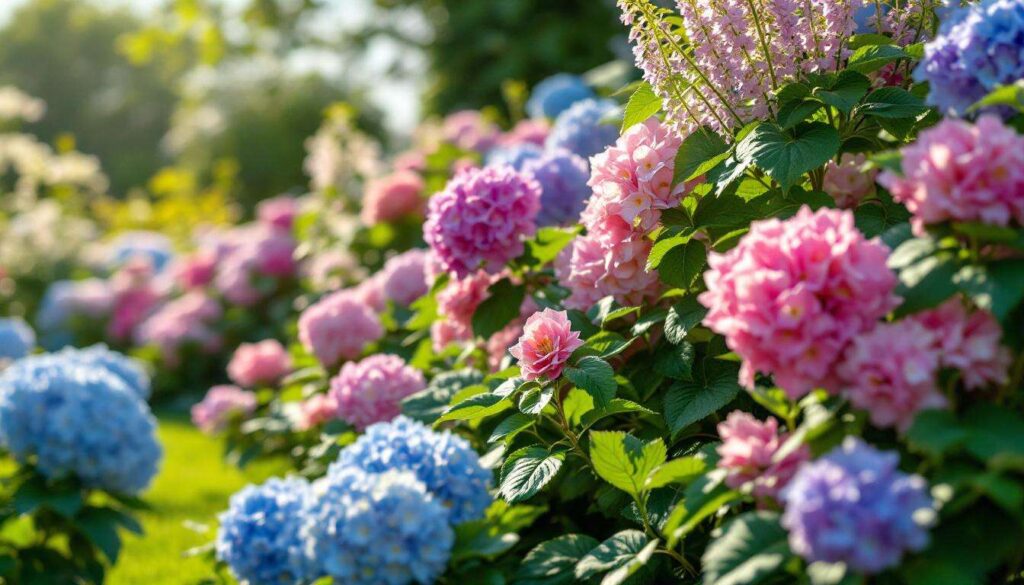
As spring approaches, gardeners prepare their tools and plan their maintenance routines. Early March represents a critical window for pruning several beloved perennial plants that will define the summer garden’s visual impact. Hydrangeas, wisteria, and rose bushes all respond remarkably well to strategic pruning during this period, setting the stage for spectacular blooms in the months ahead. Understanding the timing and techniques for each species ensures healthy growth patterns and maximizes flowering potential throughout the growing season.
Why prune in March: benefits for blooming
The science behind early spring pruning
March pruning capitalizes on the plant’s dormant phase while encouraging vigorous spring growth. During this period, sap flow begins to increase as temperatures rise, but plants haven’t yet invested energy into leaf production. This timing allows cuts to heal quickly while directing nutrients toward flower bud development rather than vegetative growth. The practice removes dead or damaged wood accumulated during winter, preventing disease spread and improving air circulation throughout the plant structure.
Temperature considerations and growth cycles
Early March typically offers the ideal balance between frost risk and active growth initiation. Pruning too early exposes fresh cuts to severe cold damage, while waiting too long removes developing flower buds. The specific benefits include:
- Stimulation of lateral bud growth that produces flowering shoots
- Improved light penetration to lower branches
- Enhanced plant structure and manageable size
- Reduction of pest and disease pressure from old wood
These advantages translate directly into more abundant blooms and healthier plants that withstand summer stress more effectively. With these foundational principles established, examining the specific requirements of each plant type becomes essential.
Understanding the specific needs of the rose bush
Identifying rose varieties and pruning approaches
Rose bushes demand different pruning strategies based on their classification. Hybrid tea roses require aggressive pruning to 6-8 inches above ground level, promoting strong canes and large individual blooms. Floribunda varieties benefit from moderate pruning that maintains a balanced framework while encouraging cluster flowering. Climbing roses need careful attention to preserve their structural canes while removing only spent laterals and weak growth.
The five-cut method for bush roses
Professional rosarians recommend a systematic approach that ensures consistent results. Begin by removing all dead, diseased, or damaged wood entirely. Next, eliminate thin or crossing canes that create congestion in the plant’s center. The remaining healthy canes should be cut at a 45-degree angle approximately one-quarter inch above an outward-facing bud. This technique includes:
- Selection of 3-5 strongest canes as the framework
- Reduction of remaining canes to 12-18 inches for hybrid teas
- Preservation of 18-24 inches for shrub and floribunda types
- Complete removal of growth below the graft union
Proper rose pruning establishes the foundation for summer displays, but hydrangeas present entirely different challenges that require specialized knowledge.
Secrets to successful pruning of hydrangeas
Distinguishing between old wood and new wood bloomers
Hydrangea pruning success depends entirely on identifying the blooming habit of specific varieties. Bigleaf hydrangeas (Hydrangea macrophylla) and oakleaf hydrangeas form flower buds on previous year’s growth, making them vulnerable to excessive pruning. Conversely, panicle hydrangeas (Hydrangea paniculata) and smooth hydrangeas (Hydrangea arborescens) bloom on current season’s growth, tolerating more aggressive cutting.
Pruning techniques by hydrangea type
For old wood bloomers, limit March pruning to removal of dead stems and faded flower heads just above the first set of healthy buds. These varieties require minimal intervention to protect developing flower buds. New wood bloomers accept more dramatic treatment:
| Hydrangea type | Cutting height | Expected bloom time |
|---|---|---|
| Panicle (Limelight, Vanilla Strawberry) | 12-24 inches from ground | Mid to late summer |
| Smooth (Annabelle) | 4-6 inches from ground | Early to mid-summer |
| Bigleaf (Endless Summer) | Deadheading only | Early summer, possible rebloom |
This variety-specific approach prevents the common mistake of removing flower-bearing wood, ensuring reliable blooms. Understanding hydrangea requirements naturally leads to examining another vigorous bloomer with unique pruning demands.
Wisteria: how to encourage its flowering clusters
The double-pruning system for maximum blooms
Wisteria’s reputation for reluctant flowering often stems from improper pruning practices. This vigorous vine requires a two-season pruning approach, with March representing the critical first phase. During early spring, reduce the previous summer’s long whiplike shoots to 3-4 buds from the main framework. This practice concentrates the plant’s energy into developing short flowering spurs rather than vegetative growth.
Structural training and spur development
Establishing a strong framework proves essential for long-term flowering success. Select primary branches that define the plant’s shape and remove competing growth entirely. The remaining structure should feature regularly spaced lateral branches that will develop into flowering spurs over multiple seasons. Key techniques include:
- Shortening side shoots to 6 inches in March
- Removing entirely any shoots growing from the base
- Maintaining clear distinction between framework and flowering wood
- Repeating spur pruning in late summer to refine growth
This disciplined approach transforms unruly wisteria into spectacular spring displays, but success requires appropriate tools and equipment for all pruning tasks.
Essential tools for optimal pruning
Quality equipment for clean cuts
Professional-grade tools make the difference between clean wounds that heal quickly and ragged cuts that invite disease. Bypass pruners handle stems up to three-quarters inch diameter with precision, while loppers extend reach and cutting power for branches up to 2 inches thick. Pruning saws become necessary for larger wood, particularly on mature wisteria and climbing roses.
Maintenance and sterilization protocols
Sharp, clean tools prevent tissue damage and disease transmission between plants. Before beginning work, sterilize all cutting surfaces with a solution of one part bleach to nine parts water or rubbing alcohol. Between plants, especially when removing diseased material, repeat the sterilization process. Additional essential items include:
- Heavy-duty gardening gloves for rose protection
- Safety glasses to shield eyes from flying debris
- Sharpening stone or professional sharpening service
- Replacement parts for frequently used tools
Proper equipment preparation ensures efficient work and plant health, but timing and environmental conditions equally influence pruning outcomes.
Calendar and ideal conditions for pruning
Reading weather patterns and plant signals
While early March provides general guidance, local climate conditions determine precise timing. Monitor nighttime temperatures and wait until the threat of severe freezes passes but before buds begin swelling significantly. Ideal pruning occurs on dry days with temperatures between 40-60°F, allowing cuts to dry quickly and reducing fungal infection risk.
Regional variations and frost dates
Gardeners in warmer zones may prune as early as late February, while colder regions might wait until mid-March or early April. The critical factor involves pruning during dormancy but close enough to spring that healing occurs rapidly. Regional considerations include:
- USDA zones 7-9: late February to early March
- USDA zones 5-6: mid to late March
- USDA zones 3-4: late March to early April
- Coastal areas: adjust for marine influence on temperatures
Observation of local plant behavior provides better guidance than calendar dates alone, with forsythia bloom often signaling the ideal pruning window.
Strategic March pruning of hydrangeas, wisteria, and rose bushes establishes the foundation for spectacular summer gardens. Each plant requires specific techniques based on its blooming habit and growth patterns, from aggressive rose cutting to careful hydrangea variety identification and disciplined wisteria spur development. Success depends on quality tools, proper timing aligned with local conditions, and understanding the biological principles that govern flowering. These practices transform routine maintenance into purposeful interventions that maximize bloom production while maintaining plant health throughout the growing season.