



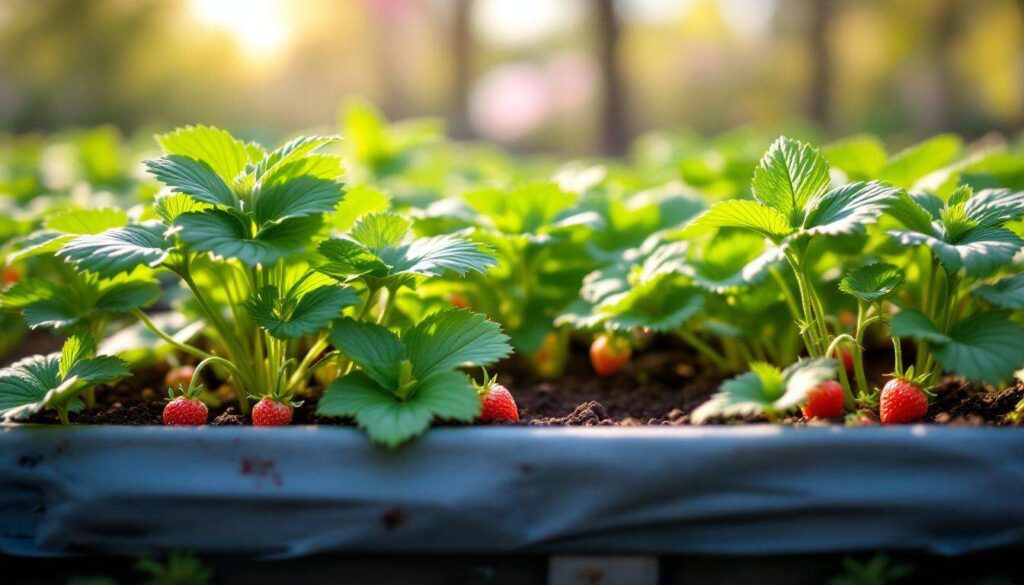
Growing strawberries in raised beds offers gardeners an efficient and productive method to cultivate these beloved fruits. By planting bare-root crowns during the optimal window, you can establish a thriving strawberry patch that yields fresh berries remarkably quickly. The combination of proper timing, variety selection, and cultivation techniques transforms a simple garden bed into a productive strawberry haven that rewards your efforts with sweet, homegrown fruit.
Understanding the benefits of raised bedding
Superior drainage and soil warming
Raised beds provide exceptional drainage that prevents waterlogged roots, a common problem that causes crown rot in strawberry plants. The elevated structure allows excess moisture to drain away naturally while retaining adequate hydration for healthy growth. Additionally, raised beds warm up faster in spring compared to ground-level soil, giving your strawberry crowns a head start on the growing season.
Enhanced soil control and quality
Creating a raised bed allows you to customize the growing medium specifically for strawberries. You can blend the ideal soil composition that these plants thrive in:
- Loamy soil with excellent organic matter content
- Slightly acidic pH between 5.5 and 6.5
- Well-aerated texture that promotes root development
- Nutrient-rich amendments tailored to strawberry needs
Pest management and accessibility
The elevated nature of raised beds creates a natural barrier against many ground-dwelling pests including slugs and certain insects. This physical separation reduces the need for chemical interventions and protects your developing berries. Furthermore, raised beds offer ergonomic advantages by reducing the need for bending and kneeling during planting, maintenance, and harvesting activities.
With these advantages established, selecting the appropriate strawberry varieties becomes the next critical decision for your raised bed project.
Choosing the right strawberry varieties
June-bearing versus everbearing types
June-bearing strawberries produce a single, concentrated harvest typically occurring from late spring through early summer. These varieties deliver abundant fruit over a two to three-week period, making them ideal for preserving and freezing. Everbearing varieties produce smaller harvests throughout the growing season, offering fresh berries from spring through fall.
| Variety Type | Harvest Timing | Yield Pattern | Best For |
|---|---|---|---|
| June-bearing | Early June | Heavy, concentrated | Preserving, large harvests |
| Everbearing | Spring through fall | Moderate, continuous | Fresh eating, extended season |
Recommended cultivars for raised beds
Several varieties perform exceptionally well in raised bed environments. Honeoye produces large, firm berries with excellent flavor and demonstrates strong disease resistance. Jewel offers outstanding cold hardiness and delivers consistently high yields. Allstar provides reliable production with good adaptability to various growing conditions.
Once you have selected your preferred varieties, preparing the raised bed properly ensures optimal growing conditions.
Preparing your bed in March
Timing considerations for spring planting
Planting bare-root strawberry crowns in early to mid-March allows the plants to establish root systems before warmer weather arrives. The soil should be workable and not frozen, typically when temperatures consistently reach above 40°F. This timing enables the crowns to develop strong foundations that support rapid growth as spring progresses.
Soil preparation and amendment
Begin by filling your raised bed with a carefully prepared growing medium. Mix together:
- High-quality topsoil or garden soil as the base component
- Compost comprising 25-30% of the total volume
- Peat moss or coconut coir for moisture retention
- Perlite or vermiculite for improved drainage
Test the soil pH and adjust if necessary using sulfur to lower pH or lime to raise it. Incorporate a balanced fertilizer with an NPK ratio suitable for fruit production, such as 10-10-10, working it thoroughly into the top six inches of soil.
Bed layout and spacing design
Plan your planting arrangement to maximize production while ensuring adequate air circulation. Space individual plants 12 to 18 inches apart in rows separated by 24 to 30 inches. This spacing prevents overcrowding while allowing runners to develop if you choose matted row cultivation.
With your bed properly prepared, the actual planting process requires careful attention to detail for successful establishment.
Planting bare-root strawberry crowns
Inspecting and preparing bare-root crowns
Upon receiving bare-root crowns, examine them for healthy, white roots and firm, viable crowns. Trim any damaged or excessively long roots to approximately four inches. Soak the roots in room-temperature water for 30 minutes before planting to rehydrate the tissues and stimulate initial growth.
Proper planting depth and technique
Correct planting depth proves critical for strawberry success. The crown should sit at soil level, neither buried nor exposed. Create a small mound in each planting hole, spread the roots over this mound, and backfill with soil. The crown’s center should remain visible at the surface while roots extend downward and outward.
Common planting errors include:
- Burying the crown too deeply, which causes rot
- Planting too shallow, exposing roots to drying
- Failing to firm soil adequately around roots
- Neglecting immediate watering after planting
Initial watering and mulching
Water thoroughly immediately after planting to settle soil around roots and eliminate air pockets. Apply two to three inches of organic mulch such as straw or shredded leaves around plants, keeping mulch away from direct contact with crowns. This mulch layer conserves moisture, suppresses weeds, and keeps developing berries clean.
Following proper planting procedures, ongoing maintenance ensures your strawberry plants develop into productive specimens.
Maintaining strawberry plants for a bountiful harvest
Watering requirements and schedule
Strawberries require consistent moisture throughout the growing season, particularly during flowering and fruit development. Provide approximately one inch of water weekly through rainfall or irrigation. Water early in the day to allow foliage to dry before evening, reducing disease pressure. Drip irrigation or soaker hoses deliver water efficiently while keeping foliage dry.
Fertilization and nutrient management
Apply a balanced fertilizer four to six weeks after planting once plants show active growth. Use a water-soluble formula at half strength every two weeks during the growing season. Avoid excessive nitrogen, which promotes leafy growth at the expense of fruit production.
Flower and runner management
For newly planted crowns, remove flowers that appear during the first month to redirect energy into root establishment. This sacrifice promotes stronger plants that produce more abundantly in subsequent weeks. Decide whether to allow runners to develop based on your cultivation system, removing them for hill systems or allowing controlled development for matted rows.
These maintenance practices culminate in the rewarding experience of harvesting fresh strawberries from your raised bed.
Harvesting and enjoying your first strawberries in June
Recognizing harvest readiness
Strawberries reach peak ripeness when they display full color with no white or green areas remaining near the cap. The berries should feel slightly soft when gently squeezed and release easily from the plant when lifted. Harvest during cool morning hours when berries are firm and sugar content peaks.
Proper harvesting technique
Grasp each berry by the stem and pinch or cut rather than pulling, which can damage the plant. Leave the cap attached to extend shelf life. Collect berries in shallow containers to prevent crushing lower layers. Harvest every two to three days during peak production to maintain plant vigor and encourage continued fruiting.
Post-harvest handling and storage
Handle harvested strawberries gently to avoid bruising. Refrigerate unwashed berries promptly in breathable containers. Properly stored strawberries maintain optimal quality for three to five days. Wash berries just before consumption to prevent premature spoilage.
Growing strawberries in raised beds by planting bare-root crowns delivers fresh, homegrown fruit within months of establishment. The combination of improved drainage, controlled soil conditions, and proper variety selection creates ideal growing conditions. Careful preparation, correct planting depth, and consistent maintenance transform simple crowns into productive plants that reward your efforts with delicious berries throughout the harvest season.