



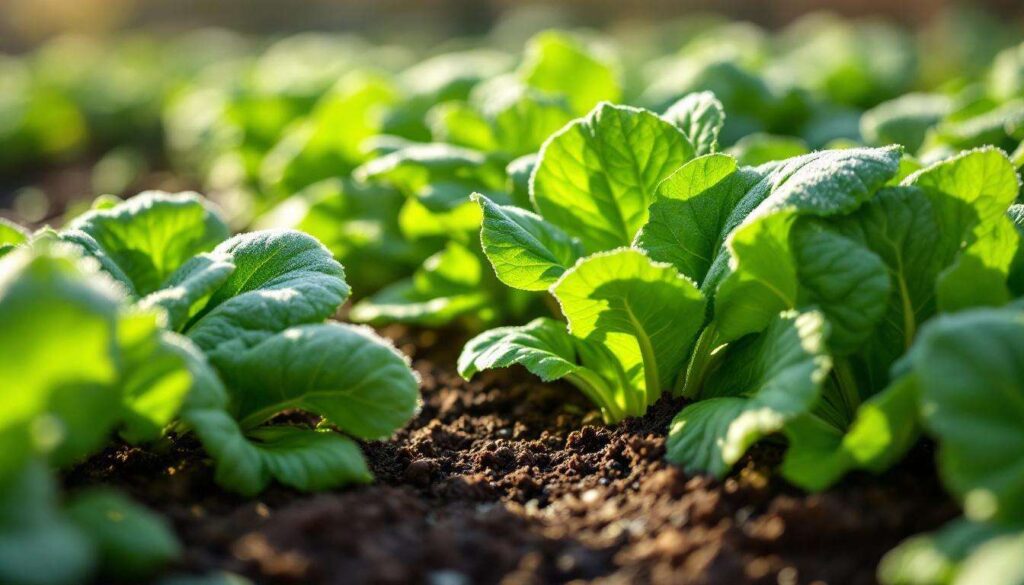
Gardeners eager to maximize their spring harvest can turn to two remarkably resilient vegetables that thrive when temperatures remain cool. Spinach and lettuce stand out as champions of early season planting, capable of withstanding light frosts while delivering rapid growth in properly prepared raised beds. These cold-hardy greens offer home gardeners the opportunity to extend their growing season significantly, producing fresh, nutrient-dense leaves weeks before most other vegetables can even be planted outdoors. Understanding the specific requirements and advantages of these crops transforms March from a waiting period into a productive gardening month.
Growing spinach in March: the benefits of raised garden beds
Enhanced soil warming and drainage
Raised beds provide superior soil conditions for early spinach planting by warming faster than ground-level gardens. The elevated structure allows sunlight to reach the soil from multiple angles, increasing heat absorption during the day. This temperature advantage proves critical in March when soil temperatures often hover near the minimum required for seed germination. Additionally, improved drainage prevents waterlogging that can rot seeds or stunt root development during periods of spring rain or snowmelt.
Extended growing season advantages
The combination of warmer soil and better drainage enables gardeners to plant spinach two to three weeks earlier than traditional garden beds. This timing advantage translates directly into earlier harvests and the ability to grow multiple successive crops before summer heat makes spinach cultivation challenging. Raised beds also facilitate the use of protective covers and season extension techniques that further maximize productivity.
Optimal soil composition for spinach
Creating the ideal growing medium in raised beds requires attention to specific components:
- Nitrogen-rich compost: spinach demands substantial nitrogen for leaf development
- Well-aged manure: provides sustained nutrient release throughout the growing period
- Peat moss or coconut coir: maintains moisture without creating soggy conditions
- Perlite or vermiculite: ensures adequate aeration for healthy root systems
The controlled environment of raised beds allows precise adjustment of pH levels, with spinach performing best in slightly acidic to neutral soil ranging from 6.5 to 7.0. This customization proves difficult in traditional garden plots where existing soil composition limits amendment effectiveness.
Understanding how spinach differs from its leafy companion helps gardeners optimize their planting strategies for both crops.
Differences between spinach and lettuce in spring
Temperature tolerance comparison
While both vegetables qualify as cold-hardy crops, their frost resistance varies considerably. Spinach demonstrates superior cold tolerance, surviving temperatures as low as 15°F once established, whereas most lettuce varieties suffer damage below 25°F. This distinction influences planting timing and protection requirements during unpredictable March weather patterns.
| Characteristic | Spinach | Lettuce |
|---|---|---|
| Minimum germination temperature | 35°F | 40°F |
| Optimal growing temperature | 50-60°F | 60-65°F |
| Frost tolerance (established plants) | 15°F | 25°F |
| Days to maturity | 40-50 | 30-70 (variety dependent) |
Growth patterns and harvest windows
Spinach develops through a rosette growth pattern with leaves emerging from a central crown, while lettuce varieties exhibit either heading or loose-leaf formations. This structural difference affects spacing requirements, with spinach typically planted 3-4 inches apart compared to lettuce’s 6-8 inch spacing for head varieties. The harvest window also differs significantly, as spinach tends toward bolting when temperatures rise above 75°F, whereas heat-tolerant lettuce varieties can extend production into early summer.
Nutritional profiles and culinary uses
From a nutritional standpoint, spinach contains higher concentrations of iron, calcium, and vitamins A and K compared to most lettuce varieties. However, lettuce provides superior hydration due to its higher water content and offers greater textural variety for raw preparations. These differences influence garden planning for households with specific dietary preferences or culinary goals.
Regardless of these distinctions, both crops benefit from protective measures during the vulnerable seedling stage.
Techniques for protecting young seedlings from frost
Row covers and floating barriers
Lightweight fabric row covers represent the most versatile frost protection method for raised bed cultivation. These breathable materials trap heat radiated from the soil while allowing moisture and light penetration necessary for photosynthesis. Floating row covers rest directly on plants without support structures, expanding upward as seedlings grow. This approach provides 4-8°F of temperature protection, sufficient for most March frost events in temperate climates.
Cold frames and temporary structures
For gardeners in regions experiencing severe late-season freezes, cold frames offer superior protection and microclimate control. These box-like structures with transparent lids create a greenhouse effect that can maintain temperatures 10-15°F above ambient conditions. Raised beds integrate seamlessly with cold frame designs, as the bed walls provide ready-made sides requiring only a hinged top for completion.
Mulching strategies for temperature moderation
Organic mulches applied around seedlings serve multiple protective functions:
- Temperature buffering: reduces soil temperature fluctuations between day and night
- Moisture retention: maintains consistent hydration critical for tender seedlings
- Weed suppression: eliminates competition for nutrients during establishment
- Soil protection: prevents erosion from spring rains and wind
Straw, shredded leaves, or grass clippings applied in a thin layer around plants provide these benefits without smothering young growth. Avoid placing mulch directly against stems, which can promote fungal diseases and pest problems.
These protective measures complement the inherent advantages that raised bed systems provide for accelerated plant development.
Advantages of fast growth in raised beds
Accelerated maturation timelines
The controlled environment of raised beds consistently produces harvest-ready greens 7-10 days faster than ground-level plantings. This acceleration results from optimized soil temperature, enhanced nutrient availability, and improved root zone oxygenation. For spinach and lettuce, this time savings allows gardeners to complete entire growing cycles before heat stress triggers bolting, effectively extending the productive season.
Succession planting opportunities
Rapid growth rates enable succession planting strategies that maintain continuous harvests throughout spring. By sowing new seeds every two weeks in designated sections of raised beds, gardeners create a rolling harvest system that prevents the feast-or-famine cycle common in single-planting approaches. This technique maximizes bed utilization and ensures fresh greens remain available for extended periods.
Resource efficiency and yield density
Raised beds concentrate water, fertilizer, and gardening effort into defined spaces, reducing waste and improving overall productivity. The intensive planting patterns possible in these systems increase yield per square foot compared to traditional row gardening. Spinach and lettuce particularly benefit from this density, as their shallow root systems and compact growth habits allow close spacing without competition.
Maximizing these advantages requires selecting varieties specifically bred for cold tolerance and rapid maturation.
Tips for choosing cold-resistant varieties
Top spinach varieties for early spring
Certain spinach cultivars demonstrate exceptional cold hardiness and bolt resistance, making them ideal for March planting:
- Bloomsdale Long Standing: heirloom variety with deeply crinkled leaves and excellent frost tolerance
- Space: smooth-leafed hybrid offering uniform growth and disease resistance
- Tyee: semi-savoy type with superior cold tolerance and slow bolting characteristics
- Winter Bloomsdale: specifically bred for fall and early spring cultivation
Lettuce selections for cold climates
Lettuce varieties suitable for March planting include both heading and loose-leaf types with proven cold tolerance:
- Winter Density: romaine-type with compact heads and exceptional frost resistance
- Arctic King: butterhead variety surviving temperatures below 20°F
- Black Seeded Simpson: loose-leaf cultivar with rapid growth and cold adaptability
- Rouge d’Hiver: French heirloom combining cold hardiness with attractive red coloration
Seed selection and viability considerations
Purchasing high-quality seeds from reputable suppliers significantly impacts germination rates and plant vigor. Fresh seeds typically demonstrate germination rates above 85%, while older stock may produce spotty stands requiring replanting. Conducting germination tests before planting season helps identify questionable seed lots and prevents disappointment. Store unused seeds in cool, dry conditions to maintain viability for subsequent seasons.
Once appropriate varieties are established, attention shifts to maintenance practices that ensure continued productivity.
Harvesting and maintaining spinach and lettuce in early season
Optimal harvesting techniques
Proper harvesting methods extend productivity and encourage continued growth from both spinach and lettuce plants. For spinach, remove outer leaves when they reach 3-4 inches in length, leaving the central growing point intact to produce additional foliage. Lettuce harvesting varies by type, with loose-leaf varieties responding well to cut-and-come-again techniques while heading types require full removal at maturity. Morning harvests capture maximum leaf crispness and nutritional content before daytime heat causes wilting.
Watering and fertilization schedules
Consistent moisture proves critical for quality leaf production, with raised beds requiring more frequent watering than ground-level gardens due to enhanced drainage. Spinach and lettuce need 1-1.5 inches of water weekly, delivered through drip irrigation or soaker hoses that minimize foliar diseases. Supplemental feeding with balanced liquid fertilizer every two weeks maintains vigorous growth, particularly in beds with limited organic matter. Avoid high-nitrogen fertilizers late in the growth cycle, as excessive nitrogen can produce bitter-tasting leaves.
Pest and disease management
Early season planting reduces pest pressure compared to summer cultivation, but vigilance remains necessary:
- Aphids: control with strong water sprays or insecticidal soap applications
- Slugs: manage through beer traps, copper barriers, or diatomaceous earth
- Downy mildew: prevent with adequate spacing and morning watering practices
- Leaf miners: remove affected leaves promptly to interrupt breeding cycles
The elevated nature of raised beds provides some natural protection against ground-dwelling pests while facilitating easier inspection and intervention when problems arise.
March planting of spinach and lettuce in raised beds capitalizes on these vegetables’ natural cold tolerance while leveraging the accelerated growing conditions that elevated garden systems provide. The combination of proper variety selection, frost protection techniques, and attentive maintenance creates optimal conditions for early harvests that extend the productive season. Gardeners who implement these strategies transform the transitional month of March into a period of abundant fresh greens, establishing momentum for the entire growing season ahead.