


Transforming organic waste into nutrient-rich soil has become an essential practice for gardeners seeking sustainable solutions. The combination of fallen leaves and kitchen scraps creates a powerful mixture that feeds plants naturally while reducing household waste. Spring offers the perfect opportunity to establish or refresh a composting system, taking advantage of warmer temperatures and increased microbial activity. This simple yet effective process converts materials that would otherwise end up in landfills into valuable garden amendments that improve soil structure, retain moisture, and support healthy plant growth.
Why compost in spring 2026 ?
Optimal conditions for decomposition
Spring provides ideal temperature ranges for composting activities, with soil temperatures rising above 50°F and encouraging microbial populations to thrive. The warming weather accelerates decomposition processes, allowing organic materials to break down more efficiently than during colder months. Increased biological activity means faster transformation of raw materials into finished compost, often reducing processing time by several weeks compared to winter composting.
Timing advantages for garden preparation
Starting a compost pile in spring aligns perfectly with garden preparation schedules. Gardeners can utilize the following seasonal benefits:
- Fresh compost becomes available by mid-summer for supplemental feeding
- Fall leaves stored over winter are ready for immediate use
- Kitchen scraps accumulate steadily as fresh produce consumption increases
- Spring cleaning generates additional organic materials for composting
The seasonal rhythm of gardening naturally supports composting efforts, creating a continuous cycle of waste reduction and soil improvement that extends throughout the growing season.
The benefits of fall leaves for compost
Carbon-rich foundation material
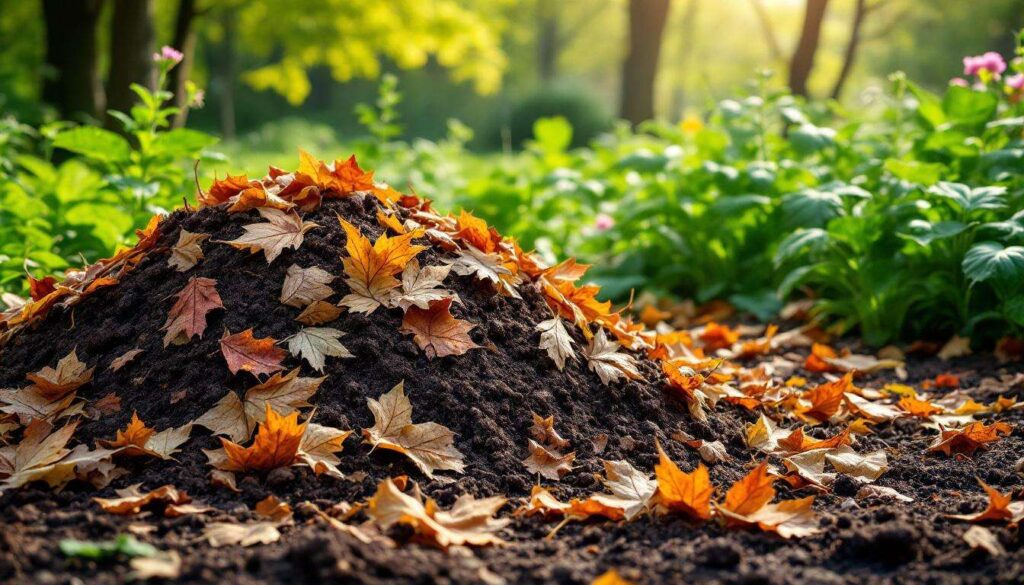
Fall leaves serve as an excellent carbon source, providing the essential “brown” material that balances nitrogen-rich kitchen scraps. Dried leaves contain approximately 50-80 parts carbon to one part nitrogen, creating the structural framework necessary for proper aeration within the compost pile. This carbon content prevents the pile from becoming too dense or developing unpleasant odors associated with excess nitrogen.
Nutrient composition of various leaf types
| Leaf Type | Decomposition Rate | Primary Nutrients |
|---|---|---|
| Maple | Moderate | Calcium, potassium |
| Oak | Slow | Calcium, magnesium |
| Birch | Fast | Nitrogen, phosphorus |
| Ash | Fast | Potassium, calcium |
Preparation methods for optimal decomposition
Shredding or chopping leaves before adding them to compost significantly accelerates breakdown by increasing surface area exposed to microorganisms. A lawn mower run over dry leaves creates perfectly sized pieces, while leaf shredders produce even finer material. Whole leaves can form water-resistant mats that slow decomposition, so processing them ensures better integration with other compost materials and faster results.
Understanding how different organic materials contribute to compost quality leads naturally to examining what kitchen produces daily.
Using kitchen waste to enrich compost
Acceptable kitchen materials
Kitchen scraps provide the nitrogen-rich “green” component essential for microbial growth and heat generation within compost piles. These materials contain proteins and sugars that feed beneficial bacteria, creating the biological activity necessary for decomposition. Common kitchen items suitable for composting include:
- Fruit and vegetable peels, cores, and trimmings
- Coffee grounds and paper filters
- Tea bags and loose tea leaves
- Crushed eggshells for calcium content
- Bread, pasta, and grain products in moderation
- Wilted flowers and houseplant trimmings
Materials to avoid
Certain kitchen items should never enter compost bins due to potential problems they create. Meat, fish, bones, and dairy products attract pests and produce strong odors during decomposition. Oils and fats coat other materials, preventing proper air circulation and water absorption. Pet waste may contain harmful pathogens, while treated wood products or glossy paper introduce chemicals into the finished compost.
Balancing green and brown materials
Successful composting requires maintaining approximately a 30:1 carbon-to-nitrogen ratio, achieved by combining three parts brown materials with one part green materials by volume. Kitchen scraps alone create wet, dense, anaerobic conditions that smell unpleasant, while leaves alone decompose very slowly. The combination produces optimal moisture levels around 50-60%, similar to a wrung-out sponge, supporting efficient microbial activity.
With quality ingredients identified, attention turns to establishing the physical composting system itself.
How to start composting in the garden
Choosing a composting method
Several composting approaches suit different space constraints and commitment levels. Traditional open bins allow easy access and turning but require more space. Enclosed tumblers simplify mixing and exclude pests while producing finished compost faster. Three-bin systems enable continuous production with separate sections for fresh materials, active decomposition, and finished compost. Vermicomposting with worms works well for small spaces and produces exceptional compost quality.
Location selection criteria
Proper placement significantly impacts composting success. The ideal location features:
- Partial shade to prevent excessive drying
- Level ground with good drainage
- Convenient access from both kitchen and garden
- Protection from strong winds
- Direct soil contact for beneficial organisms
Building the initial pile
Start with a base layer of coarse brown materials like small twigs or wood chips to promote air circulation from below. Add alternating layers of browns and greens, approximately 4-6 inches thick, maintaining the proper ratio. Water each layer lightly until materials glisten without dripping. A minimum pile size of three feet cubed generates sufficient heat for effective decomposition, though smaller containers work adequately in mild climates.
Once established, basic composting systems benefit from refinements that accelerate production and improve quality.
Advanced techniques for successful composting
Temperature management
Monitoring internal pile temperature reveals decomposition progress and guides management decisions. Active compost reaches 130-150°F in the center, hot enough to kill weed seeds and pathogens. Temperatures below 90°F indicate insufficient nitrogen or moisture, while excessive heat above 160°F may kill beneficial microorganisms. Regular temperature checks with a compost thermometer help maintain optimal conditions.
Turning and aeration strategies
Introducing oxygen through turning or aeration prevents anaerobic conditions that produce methane and unpleasant odors. Turn piles every 7-10 days during active decomposition, moving outer materials toward the center where temperatures peak. Alternatively, insert perforated pipes vertically or use specialized aeration tools that minimize physical labor while maintaining adequate oxygen levels throughout the pile.
Moisture optimization
| Moisture Level | Indicator | Correction Needed |
|---|---|---|
| Too dry | Dusty, slow decomposition | Add water, green materials |
| Optimal | Damp sponge texture | Maintain current balance |
| Too wet | Soggy, odorous | Add dry leaves, turn frequently |
Understanding these refinements ensures consistent production of high-quality compost ready for garden application.
Using compost as a natural fertilizer
Determining compost maturity
Finished compost appears dark and crumbly with an earthy smell and no recognizable original materials except perhaps wood chips or nut shells. The temperature drops to ambient levels, indicating biological activity has stabilized. Mature compost supports seed germination in direct contact, while immature compost may inhibit plant growth due to ongoing decomposition that temporarily ties up nitrogen.
Application methods for different garden areas
Vegetable gardens benefit from 1-3 inches of compost worked into the top 6 inches of soil before planting. Established perennial beds receive a 1-2 inch top dressing around plants, keeping material away from stems. Lawns improve with a thin quarter-inch layer spread evenly and watered in. Container gardens use compost blended with potting mix at ratios up to 30% compost by volume for optimal drainage and nutrition.
Storage and ongoing production
Finished compost stores well in covered bins or bags, maintaining quality for months when kept moderately moist. Establishing a continuous production system ensures steady supply throughout the growing season. As one batch finishes, another progresses through active decomposition while fresh materials accumulate in a third section, creating an efficient cycle that maximizes garden benefits.
The practice of composting transforms ordinary yard waste and kitchen scraps into valuable soil amendments that reduce waste, cut fertilizer costs, and improve garden health. Spring’s favorable conditions make it the perfect time to establish or enhance composting systems, combining fall leaves with kitchen materials to create balanced, nutrient-rich compost. Whether using simple piles or sophisticated bins, the fundamental principles remain consistent: proper carbon-nitrogen ratios, adequate moisture and oxygen, and patience as microorganisms work their transformative magic. The resulting compost feeds plants naturally while building long-term soil fertility, creating sustainable gardens that thrive without synthetic inputs.