
Potted perennial plants bring vibrant color and lush foliage to patios, decks, and balconies throughout the growing season. Among the most beloved choices for container gardening, hibiscus and hydrangeas stand out for their spectacular blooms and adaptability to pot cultivation. These flowering plants thrive when given proper care and timing, particularly when transitioning from indoor protection to outdoor environments. Understanding the nuances of moving these containerized beauties outdoors ensures they flourish throughout the warmer months, rewarding gardeners with continuous displays of magnificent flowers.
Introduction to potted hibiscus and hydrangeas
Characteristics of potted hibiscus
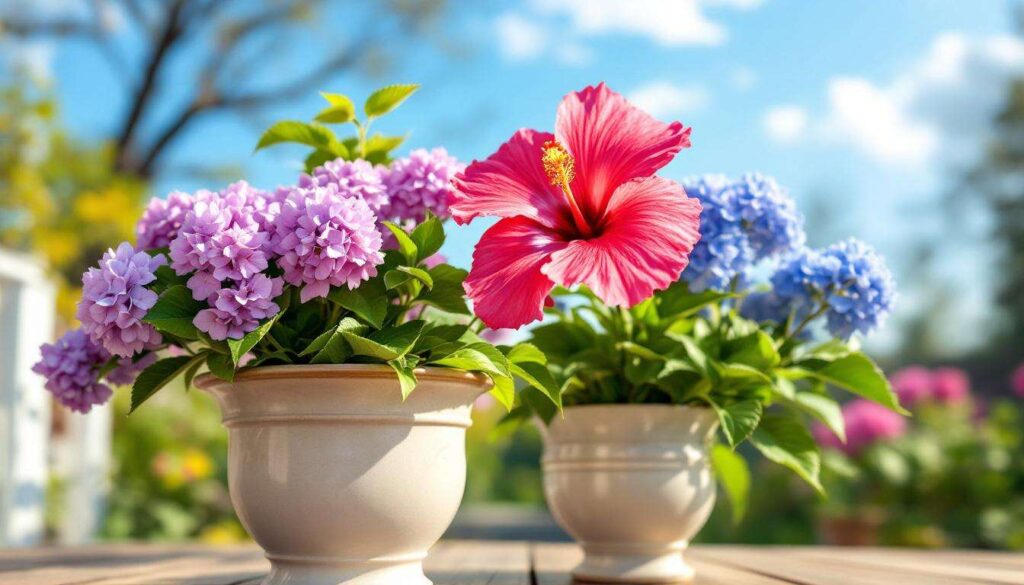
Hibiscus plants cultivated in containers offer dramatic tropical appeal with their large, showy flowers that can measure up to eight inches across. These perennials come in two primary varieties suitable for potting: tropical hibiscus (Hibiscus rosa-sinensis) and hardy hibiscus (Hibiscus moscheutos). The tropical varieties display glossy, dark green leaves and bloom continuously in warm conditions, while hardy hibiscus features larger flowers but a shorter blooming period.
Container-grown hibiscus plants require specific conditions to thrive:
- Well-draining potting soil with slightly acidic pH levels
- Containers with adequate drainage holes to prevent waterlogging
- Regular fertilization during the growing season
- Protection from temperatures below 50°F
Features of potted hydrangeas
Hydrangeas in containers provide stunning floral displays with their large, clustered blooms in shades of blue, pink, white, and purple. The most popular varieties for pot cultivation include mophead hydrangeas (Hydrangea macrophylla), lacecap hydrangeas, and panicle hydrangeas (Hydrangea paniculata). These deciduous shrubs adapt remarkably well to container life when given appropriate care.
Potted hydrangeas present distinct advantages for gardeners:
- Mobility allows for optimal sun exposure adjustments
- Soil pH can be controlled to influence bloom color
- Protection from harsh weather conditions is simplified
- Space-limited gardens can still enjoy these magnificent plants
Both hibiscus and hydrangeas share common requirements that make them compatible choices for container gardening, particularly their need for careful timing when transitioning outdoors.
Importance of the last frost date
Understanding frost vulnerability
Frost damage poses a significant threat to both hibiscus and hydrangeas, particularly when plants have been overwintered indoors or in protected environments. These tender perennials develop new growth that is especially susceptible to cold injury. Even a light frost can cause cellular damage to leaves, stems, and developing flower buds, potentially setting back the plant’s growth by weeks or eliminating the season’s blooms entirely.
The physiological impact of frost on these plants includes:
- Ice crystal formation within plant cells causing rupture
- Blackening and wilting of tender new foliage
- Damage to vascular tissue disrupting nutrient transport
- Stress that increases susceptibility to diseases and pests
Determining your local frost date
Gardeners must identify their region’s average last frost date to safely time the outdoor transition. This date represents the statistical point when the probability of frost drops to approximately 10 percent. Local agricultural extension offices, gardening centers, and online resources provide this critical information based on decades of weather data for specific zones.
| USDA Zone | Typical Last Frost Range | Safe Outdoor Move Period |
|---|---|---|
| Zone 5 | May 1-15 | Mid to late May |
| Zone 6 | April 15-30 | Early to mid May |
| Zone 7 | April 1-15 | Mid to late April |
| Zone 8 | March 15-31 | Early April |
Waiting until after this critical date ensures that plants face minimal risk from unexpected cold snaps, setting the foundation for successful outdoor establishment.
Preparing plants for outdoor move
Hardening off process
Gradual acclimation prevents shock when moving plants from protected indoor environments to outdoor conditions. This hardening off process typically requires seven to ten days of progressive exposure to outdoor elements. Plants that skip this crucial step often experience leaf scorch, wilting, and stunted growth due to the sudden change in light intensity, temperature fluctuations, and wind exposure.
The systematic hardening off schedule includes:
- Day 1-2: Place plants outdoors in complete shade for 2-3 hours
- Day 3-4: Increase outdoor time to 4-5 hours in partial shade
- Day 5-6: Extend to 6-7 hours with morning sun exposure
- Day 7-8: Full day outdoors in intended location, bring in at night
- Day 9-10: Leave outdoors overnight if temperatures remain above 50°F
Pre-move plant inspection and maintenance
Before transitioning plants outdoors, thorough examination and preparation ensure optimal health. Check for signs of pest infestation, disease, or nutrient deficiencies that may have developed during indoor storage. Address any issues before outdoor placement to prevent problems from escalating in the more favorable outdoor growing conditions.
Essential preparation tasks include:
- Pruning dead, damaged, or crossing branches to improve air circulation
- Removing spent flowers and yellowed foliage
- Inspecting soil moisture levels and root health
- Treating any pest or disease problems with appropriate solutions
- Refreshing top layer of potting soil if depleted
These preparatory steps create the ideal foundation for plants to thrive once they’re permanently situated in their outdoor locations.
Ideal conditions for outdoor setting
Light requirements for each plant type
Hibiscus and hydrangeas have distinct lighting preferences that influence their placement decisions. Tropical hibiscus performs best with six to eight hours of direct sunlight daily, preferably morning sun with afternoon shade in extremely hot climates. Hardy hibiscus tolerates full sun in most regions. Hydrangeas, conversely, thrive with morning sun and afternoon shade, particularly in warmer zones where intense afternoon light can scorch their large leaves and fade blooms prematurely.
| Plant Type | Optimal Sun Exposure | Shade Tolerance |
|---|---|---|
| Tropical Hibiscus | 6-8 hours direct sun | Low |
| Hardy Hibiscus | Full sun preferred | Moderate |
| Mophead Hydrangea | 4-6 hours morning sun | High |
| Panicle Hydrangea | 6 hours sun minimum | Moderate |
Environmental considerations
Beyond sunlight, several environmental factors impact the success of outdoor container placement. Wind exposure can quickly dry out potted plants and damage delicate flowers, making sheltered locations preferable. Proximity to building foundations or heat-reflecting surfaces creates microclimates that may be several degrees warmer, beneficial in cooler zones but potentially stressful in hot regions.
Strategic placement considerations include:
- Protection from strong winds that can topple containers and shred foliage
- Accessibility to water sources for convenient irrigation
- Visibility from frequently used areas to maximize enjoyment
- Sufficient air circulation to prevent fungal diseases
- Stable, level surfaces to prevent tipping
Selecting the perfect outdoor location sets the stage for proper ongoing maintenance throughout the growing season.
Care for hibiscus and hydrangeas after move
Watering requirements and techniques
Consistent moisture management proves critical for containerized hibiscus and hydrangeas during their first weeks outdoors. Both plants require more frequent watering than their in-ground counterparts due to limited soil volume and increased evaporation from container sides. During warm weather, daily watering may be necessary, particularly for plants in terracotta pots or those exposed to afternoon sun.
Effective watering practices include:
- Checking soil moisture daily by inserting finger two inches deep
- Watering thoroughly until water drains from bottom holes
- Avoiding overhead watering that promotes fungal diseases
- Watering early morning to reduce evaporation losses
- Using saucers judiciously to prevent root rot
Fertilization schedules
Outdoor container plants require regular feeding because frequent watering leaches nutrients from potting soil. Hibiscus benefits from balanced fertilizer applications every two weeks during active growth, while hydrangeas prefer monthly feeding with formulations designed for acid-loving plants. Slow-release granular fertilizers applied at the season’s start provide baseline nutrition supplemented by liquid feeds.
Pest and disease monitoring
Outdoor environments expose plants to various pests and pathogens not encountered indoors. Common hibiscus pests include aphids, whiteflies, and spider mites, while hydrangeas attract Japanese beetles and suffer from powdery mildew in humid conditions. Regular inspection and prompt treatment prevent minor issues from becoming severe infestations.
With proper care established, attention turns to maximizing plant growth and reproduction during peak growing months.
Propagation and growth of plants in summer
Propagation techniques for hibiscus
Summer provides ideal conditions for expanding your hibiscus collection through stem cuttings. Take four to six-inch cuttings from healthy, non-flowering stems in early to mid-summer when plants are actively growing. Remove lower leaves, dip cut ends in rooting hormone, and place in moist potting medium. Maintain high humidity and warm temperatures for successful root development within four to six weeks.
Hydrangea propagation methods
Softwood cuttings taken in early summer root readily for hydrangeas. Select stems with new growth that bend but don’t snap, cutting just below a leaf node. Remove lower leaves and flower buds, then insert cuttings into sterile rooting medium. Keep consistently moist and shaded until roots establish, typically within three to four weeks.
Encouraging robust summer growth
Maximizing growth during summer months ensures plants develop strong root systems and abundant blooms. Deadheading spent flowers redirects energy toward new bloom production rather than seed development. Pinching back leggy stems promotes bushier growth and increased flowering.
Growth optimization strategies include:
- Removing faded blooms regularly to encourage continuous flowering
- Monitoring for root-bound conditions and repotting if necessary
- Adjusting fertilizer rates based on plant response
- Providing adequate water during heat waves
- Protecting from extreme weather events
Successfully moving potted hibiscus and hydrangeas outdoors after the last frost creates opportunities for spectacular seasonal displays. Proper timing prevents frost damage while allowing maximum growing season enjoyment. The hardening off process ensures plants adapt without stress, and strategic placement provides optimal growing conditions. Consistent watering, appropriate fertilization, and vigilant pest monitoring maintain plant health throughout summer. Propagation techniques enable gardeners to expand their collections, while attentive care encourages robust growth and prolific blooming that continues until autumn’s first frost signals the cycle’s end.