



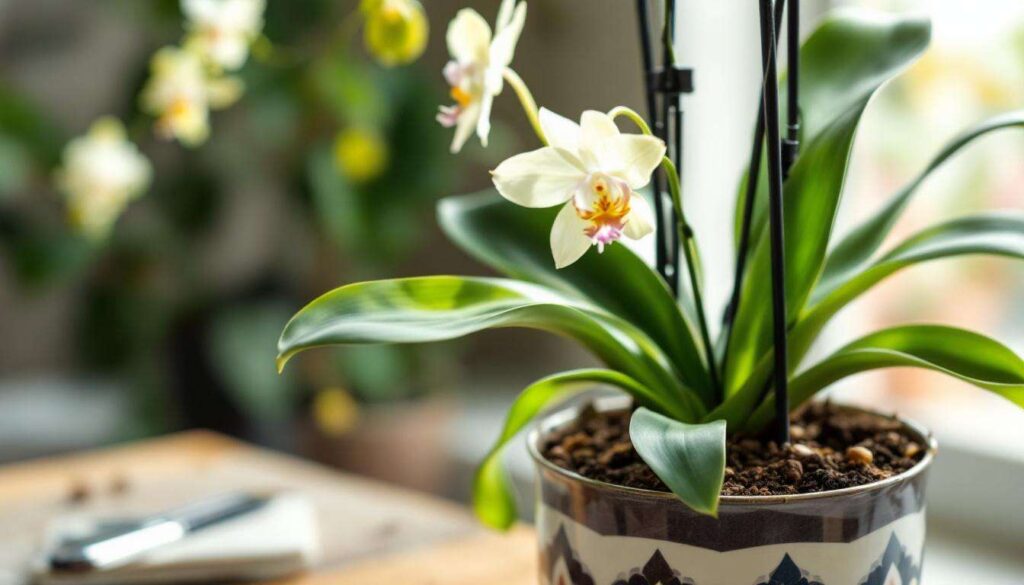
Orchids captivate gardeners with their exotic blooms and elegant foliage, but maintaining their health requires seasonal adjustments. Spring presents the ideal opportunity to refresh these tropical plants through repotting and strategic fertilization. As temperatures rise and daylight hours extend, orchids naturally enter an active growth phase, making them more receptive to root disturbance and nutrient supplementation. Understanding the specific needs of these plants during this critical period ensures vigorous growth and abundant flowering throughout the coming months.
Introduction to orchid care in spring
Understanding the orchid growth cycle
Orchids follow a predictable pattern of growth, rest, and flowering that aligns with seasonal changes. During winter, most varieties enter a dormant or semi-dormant state, conserving energy while producing minimal new growth. As spring arrives, increased light intensity and warmer temperatures signal the plant to resume active development. This physiological shift creates the perfect window for intensive care interventions that support robust health.
The spring growth phase typically manifests through several observable signs:
- Emergence of new leaf shoots from the crown
- Development of fresh aerial roots with green or reddish tips
- Swelling of dormant nodes along flower spikes
- Increased water uptake requiring more frequent watering
Why spring timing matters
Performing major maintenance during the active growth period allows orchids to recover quickly from any stress. The accelerated metabolism during spring enables rapid root regeneration after repotting, reducing the risk of transplant shock. Additionally, the plant can immediately utilize supplemental nutrients provided through fertilization, directing resources toward both vegetative growth and flower spike initiation. Attempting these same procedures during dormancy often results in prolonged recovery times and increased susceptibility to root rot.
With this understanding of orchid biology established, the next consideration involves determining the precise moment for repotting individual plants.
When to repot your orchids
Recognizing signs that repotting is necessary
Not every orchid requires annual repotting, but several indicators suggest the time has arrived. The most obvious sign involves roots growing extensively outside the pot, circling the container, or pushing the plant upward. While some aerial roots are normal, excessive external root development indicates the potting medium no longer provides adequate space. Decomposed potting material presents another critical factor—bark that has broken down into fine particles retains excessive moisture and restricts airflow, creating conditions favorable for root disease.
Additional repotting triggers include:
- Potting medium that remains soggy for extended periods after watering
- Unpleasant odor emanating from the pot, suggesting bacterial growth
- Visible salt accumulation on roots or pot surfaces from fertilizer buildup
- Plants that have outgrown their containers with pseudobulbs crowding the edges
- Declining vigor despite proper watering and light conditions
Optimal timing within the spring season
The ideal repotting window occurs as new root growth begins but before it becomes extensive. For most Phalaenopsis orchids, this typically falls in late spring after flowering concludes. Cattleyas and Dendrobiums benefit from repotting immediately after their blooming cycle ends, when new pseudobulbs start developing. Observing the specific growth patterns of your orchid variety ensures minimal disruption to the flowering cycle while maximizing recovery potential.
Once the timing is established, selecting appropriate potting material becomes the next essential step.
Choosing the right potting soil for orchids
Understanding orchid-specific growing media
Unlike terrestrial plants, most cultivated orchids are epiphytes that naturally grow attached to tree bark in tropical forests. Their roots require exceptional airflow and rapid drainage, making traditional potting soil completely unsuitable. Specialized orchid media consists of chunky materials that create air pockets while providing minimal moisture retention. The substrate serves primarily as an anchor rather than a nutrient source, supporting the plant while allowing roots to breathe.
Common potting medium options
Several materials effectively meet orchid requirements, each with distinct characteristics:
| Medium Type | Longevity | Best For |
|---|---|---|
| Fir bark (medium grade) | 18-24 months | Phalaenopsis, Cattleya, general use |
| Coconut husk chips | 24-36 months | Orchids needing more moisture retention |
| Sphagnum moss | 12-18 months | Mounting, seedlings, humidity-loving species |
| Lava rock | Indefinite | Mixing component for improved drainage |
| Perlite | Indefinite | Lightening mixes, improving aeration |
Creating custom blends
Many experienced growers develop personalized mixtures tailored to their specific conditions and orchid types. A versatile blend might combine 60% bark, 20% coconut husk, 10% perlite, and 10% charcoal. The charcoal component absorbs impurities and helps prevent bacterial growth. Adjusting proportions based on environmental humidity and watering frequency allows fine-tuning—drier climates benefit from increased moisture-retentive components, while humid environments require maximum drainage materials.
Armed with appropriate potting medium, the actual repotting procedure requires careful execution to avoid damaging delicate roots.
How to repot an orchid correctly
Preparing materials and workspace
Gather all necessary supplies before beginning to ensure a smooth process. Required items include the new pot (typically the same size or one size larger), fresh potting medium, clean scissors or pruning shears, and 70% isopropyl alcohol for sterilizing tools. Working in a clean, well-lit area prevents contamination and allows careful inspection of the root system. Some growers prefer wearing gloves to protect hands from rough bark and any fungal spores present in decomposed medium.
Step-by-step repotting process
Begin by thoroughly watering the orchid several hours before repotting, making roots more pliable and easier to untangle. Carefully remove the plant from its current container, gently squeezing flexible pots or tapping rigid ones to loosen the root ball. Once extracted, meticulously remove all old potting medium from between roots, which may require patient teasing apart of tangled sections.
Inspect the root system carefully, looking for:
- Healthy roots appearing firm, white or green with growing tips
- Dead roots that feel hollow, papery, or mushy to the touch
- Brown, black, or yellow discoloration indicating disease or decay
Using sterilized tools, remove all dead or diseased roots with clean cuts. If extensive rot exists, treat remaining healthy roots with a fungicide solution and allow to dry before potting. Position the plant in the new container so the base sits slightly below the rim, then carefully fill around roots with fresh medium, tapping periodically to settle material without compacting excessively. Avoid burying the crown where leaves emerge, as moisture accumulation in this area promotes rot.
Post-repotting care
Newly repotted orchids require modified care during the establishment period. Wait approximately one week before watering to allow any damaged roots to callus over, preventing infection. Resume normal watering gradually, and avoid fertilizing for at least one month to prevent burning tender new roots. Provide slightly reduced light levels for the first two weeks, then gradually return to standard conditions as the plant shows signs of resumed growth.
With the physical structure refreshed, attention turns to nutritional support that drives flowering.
Importance of fertilization for blooming
Nutritional requirements of orchids
While orchids survive in nutrient-poor environments naturally, cultivated specimens benefit from supplemental feeding to achieve optimal flowering. The three primary macronutrients—nitrogen, phosphorus, and potassium—serve distinct functions. Nitrogen promotes leaf and stem growth, phosphorus supports root development and flower formation, and potassium enhances overall plant vigor and disease resistance. Micronutrients including calcium, magnesium, and iron also contribute to various metabolic processes.
Fertilizer formulations and application
Orchid-specific fertilizers typically feature balanced ratios like 20-20-20 or slight variations such as 20-10-20. The concentration matters significantly—orchids prefer weak, frequent feeding rather than strong, infrequent applications. The widely recommended approach involves diluting fertilizer to one-quarter or one-half the manufacturer’s suggested strength and applying every other watering during active growth.
| Growth Stage | NPK Ratio | Frequency |
|---|---|---|
| Active vegetative growth | 20-20-20 or 30-10-10 | Every other watering |
| Bloom spike initiation | 10-30-20 or 15-30-15 | Weekly |
| Flowering period | Reduced or none | Monthly maintenance only |
| Rest period | Minimal or none | Monthly at most |
Avoiding fertilizer-related problems
Excessive fertilization causes more problems than deficiency in orchid culture. Salt accumulation from overfertilizing manifests as white crusty deposits on roots and pot surfaces, eventually burning root tips and preventing nutrient uptake. Flushing the potting medium monthly with plain water helps remove accumulated salts. Additionally, the “weakly, weekly” philosophy prevents nutrient buildup while maintaining consistent availability for the plant’s metabolic needs.
Beyond basic fertilization, several additional strategies maximize flowering potential.
Tips for encouraging new blooms
Light optimization
Adequate light intensity ranks among the most critical factors for flower spike initiation. Phalaenopsis orchids thrive in bright indirect light, while Cattleyas require higher intensity approaching direct morning sun. Insufficient light produces lush foliage but few or no flowers. A simple test involves observing leaf color—healthy orchids display medium to light green leaves, while dark green indicates inadequate light and reddish tints suggest excessive exposure. Gradually increasing light exposure during spring naturally stimulates blooming responses.
Temperature fluctuation
Many orchid species require a temperature differential between day and night to trigger flowering. A drop of 10-15 degrees Fahrenheit during nighttime hours signals the plant to initiate reproductive processes. Spring naturally provides these fluctuations as warm days give way to cooler evenings. Growers can enhance this effect by:
- Placing orchids near windows that cool at night
- Moving plants outdoors when temperatures remain above 50°F at night
- Reducing heating in orchid-growing areas during evening hours
- Ensuring adequate air circulation to prevent heat accumulation
Watering and humidity management
Consistent moisture levels without waterlogging support continuous growth and flowering. During spring’s active growth phase, orchids typically require watering when the potting medium approaches dryness but before completely drying out. The frequency varies based on temperature, humidity, and pot size, making observation more reliable than rigid schedules. Maintaining 40-60% relative humidity through grouping plants, using humidity trays, or operating a humidifier creates favorable conditions for bud development and prevents bud blast.
Patience and observation
Orchids operate on their own timeline, with some varieties requiring specific maturity before flowering capability develops. Newly repotted plants often skip a blooming cycle while establishing roots in fresh medium. Maintaining detailed records of care practices, environmental conditions, and flowering patterns helps identify successful strategies and troubleshoot problems. Consistent care tailored to each orchid’s specific requirements ultimately yields the most reliable results.
Spring orchid care centers on two fundamental interventions that work synergistically to promote plant health and flowering. Repotting in fresh, appropriate medium provides the structural foundation for vigorous root development, while strategic fertilization supplies the nutritional building blocks for both vegetative growth and bloom production. Timing these activities to coincide with the plant’s natural growth cycle minimizes stress and maximizes benefits. Success requires understanding each orchid’s specific requirements, observing plant responses carefully, and adjusting care practices accordingly. The combination of proper potting medium, adequate light, appropriate temperature fluctuations, and balanced nutrition creates conditions where orchids naturally express their full flowering potential, rewarding patient growers with spectacular displays.