
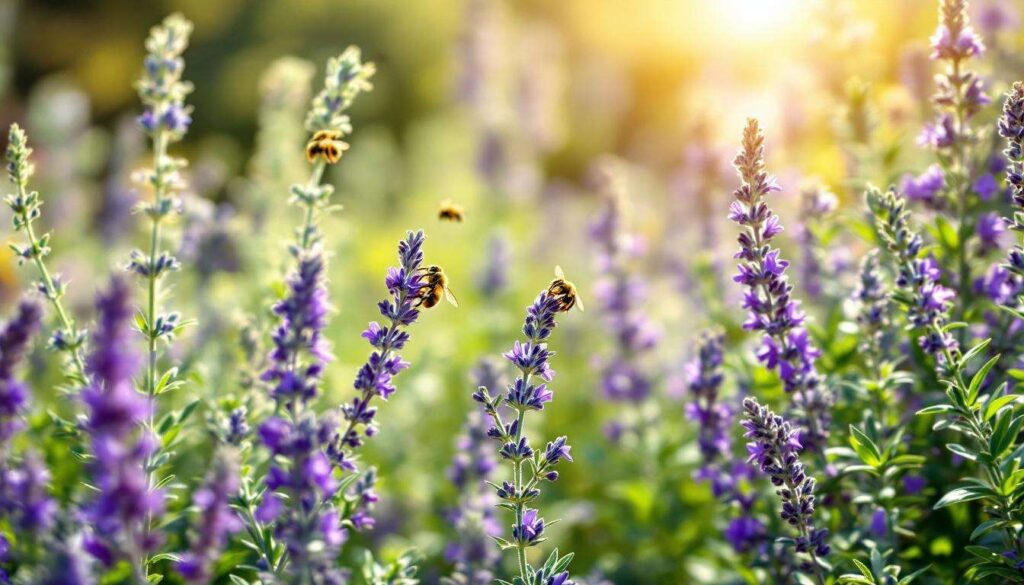
Gardens serve as vital sanctuaries for countless species, yet many homeowners overlook their potential to support struggling pollinator populations. As urban sprawl continues to fragment natural habitats, residential green spaces have become increasingly critical for maintaining ecological balance. Planting bee-friendly herbs like lavender and rosemary transforms ordinary gardens into thriving biodiversity hubs, offering both aesthetic appeal and environmental benefits. These aromatic plants provide essential resources for pollinators during crucial spring and summer months when many species emerge from dormancy and begin their reproductive cycles.
Introduction to biodiversity and the role of pollinators
Understanding garden biodiversity
Biodiversity encompasses the variety of living organisms within a given ecosystem, from microorganisms in soil to insects, birds, and mammals. In garden settings, biodiversity creates resilient environments where species interact through complex relationships. A biodiverse garden supports natural pest control, improves soil health, and creates stable ecosystems less vulnerable to disease and environmental stress. Every plant species introduced contributes to this intricate web of life, providing food, shelter, or breeding grounds for various organisms.
The critical function of pollinators
Pollinators facilitate reproduction in approximately 75% of flowering plants and contribute to the production of roughly one-third of the food crops humans consume. These species include:
- Bees of various species, from honeybees to solitary native bees
- Butterflies and moths that transfer pollen while feeding on nectar
- Hoverflies and other beneficial insects
- Beetles that visit flowers for pollen and nectar
- Some bird species in certain geographic regions
Without adequate pollinator populations, agricultural systems would collapse, and wild plant communities would fail to reproduce effectively. The decline in pollinator numbers observed globally makes garden-based conservation efforts increasingly urgent.
Understanding this foundation makes clear why selecting appropriate plants becomes a conservation strategy rather than merely an aesthetic choice.
The importance of bees for our ecosystem
Bees as primary pollinators
Bees stand out as exceptionally efficient pollinators due to their specialized anatomy and behavior. Their fuzzy bodies trap pollen grains effectively, and their foraging patterns ensure widespread pollen distribution. Unlike some pollinators that visit flowers opportunistically, bees demonstrate flower constancy, visiting the same plant species repeatedly during foraging trips, which maximizes successful pollination rates.
Economic and ecological value
The economic contribution of bee pollination reaches staggering proportions. Research indicates that bee pollination services provide billions of dollars in agricultural value annually. Beyond economics, bees maintain wild plant diversity by ensuring reproduction of native flora, which in turn supports entire food webs. Birds, small mammals, and other insects depend on the seeds, fruits, and vegetation that result from successful pollination.
| Bee Type | Foraging Range | Preferred Flowers |
|---|---|---|
| Honeybees | Up to 3 miles | Various, including herbs |
| Bumblebees | Up to 1 mile | Tubular flowers, herbs |
| Mason bees | 300 feet | Early spring bloomers |
| Leafcutter bees | 600 feet | Summer flowering plants |
Threats facing bee populations
Bee populations face multiple simultaneous threats that compound their vulnerability. Habitat loss eliminates nesting sites and reduces floral diversity, while pesticide exposure impairs navigation, reproduction, and immune function. Climate change disrupts the synchronization between flower blooming and bee emergence, and diseases spread more readily in stressed populations. Creating pollinator-friendly gardens directly addresses habitat loss and provides pesticide-free foraging zones.
Given these challenges, selecting plants that specifically support bees becomes an actionable conservation measure available to any gardener.
Why choose lavender and rosemary for your garden
Exceptional pollinator appeal
Lavender and rosemary rank among the most attractive plants for bees due to their abundant nectar production and extended blooming periods. Both plants produce numerous small flowers packed with accessible nectar, and their aromatic compounds actually help bees locate them from considerable distances. The tubular structure of their flowers perfectly accommodates bee anatomy, making nectar collection efficient and encouraging repeated visits.
Low-maintenance characteristics
These Mediterranean herbs thrive with minimal intervention, making them ideal for gardeners of all experience levels. Key advantages include:
- Drought tolerance once established, reducing water requirements
- Resistance to most common pests and diseases
- Ability to thrive in poor to moderately fertile soils
- Minimal fertilization needs
- Perennial growth habit providing years of blooms
- Attractive evergreen foliage in mild climates
Multiple garden benefits
Beyond supporting pollinators, lavender and rosemary offer practical advantages for gardeners. Both serve culinary purposes, with rosemary enhancing savory dishes and lavender adding floral notes to desserts and beverages. Their aromatic foliage naturally repels certain garden pests like mosquitoes and cabbage moths. The plants provide year-round visual interest with their silvery-green foliage and purple or blue flowers, and they work well in various garden designs from formal herb gardens to cottage-style borders.
These multifaceted benefits make them strategic choices for gardens aiming to balance beauty, utility, and ecological responsibility.
Blooming periods and their effect on bees
Spring emergence and early nectar needs
Spring represents a critical period for bee survival as queens emerge from winter dormancy and workers begin foraging after months of limited activity. Early-blooming plants provide essential energy for colony establishment and brood rearing. Rosemary typically begins flowering in late winter to early spring in temperate climates, offering one of the first substantial nectar sources when few other plants bloom. This early availability can mean the difference between colony success and failure for emerging bee populations.
Extended blooming for continuous support
Lavender’s blooming period typically extends from late spring through summer, with some varieties flowering into early fall. This prolonged nectar availability supports bees throughout their active season, including critical periods when queens mate and establish new colonies. The overlapping bloom times of lavender and rosemary create a succession of resources that sustains diverse bee species with varying life cycles.
| Plant | Primary Bloom Period | Bloom Duration | Bee Activity Level |
|---|---|---|---|
| Rosemary | Late winter to spring | 2-4 months | Very high |
| English Lavender | Late spring to mid-summer | 4-6 weeks | Extremely high |
| French Lavender | Spring to fall | 6-8 months | Very high |
Supporting diverse bee species
Different bee species emerge at different times and have varying nutritional requirements. Early spring bees benefit from rosemary’s early blooms, while summer-active species rely on lavender’s peak flowering. Solitary bees, which comprise the majority of bee species, particularly benefit from this staggered resource availability since they lack the stored resources of social bee colonies. Planting both species ensures that no critical gaps exist in nectar and pollen availability throughout the growing season.
Understanding these temporal dynamics helps gardeners appreciate how plant selection timing directly influences pollinator survival rates.
How to plant and maintain lavender and rosemary
Site selection and soil preparation
Both lavender and rosemary require excellent drainage and full sun exposure, receiving at least six to eight hours of direct sunlight daily. They thrive in slightly alkaline to neutral soil with pH levels between 6.5 and 7.5. For heavy clay soils, amending with coarse sand and compost improves drainage. Raised beds work exceptionally well for these plants in areas with poorly draining soil, preventing root rot that commonly kills Mediterranean herbs in overly moist conditions.
Planting techniques for optimal establishment
Proper planting ensures healthy growth and abundant flowering:
- Space lavender plants 12 to 18 inches apart depending on variety
- Position rosemary plants 24 to 36 inches apart to accommodate mature size
- Plant in spring after frost danger passes or in early fall
- Set plants at the same depth they grew in containers
- Water thoroughly after planting to settle soil around roots
- Apply a thin layer of gravel mulch rather than organic mulch
Maintenance requirements
Once established, these herbs need minimal care to thrive. Water deeply but infrequently, allowing soil to dry between waterings. Overwatering causes more problems than underwatering for these drought-adapted plants. Prune lavender after flowering to maintain compact shape and encourage bushiness, removing about one-third of growth. Trim rosemary lightly throughout the growing season, avoiding cutting into old wood. Neither plant requires regular fertilization, and excessive nutrients actually reduce essential oil production and flowering.
Winter protection strategies
Cold hardiness varies by species and variety. English lavender tolerates temperatures to -20°F, while French lavender survives only to 20°F. Rosemary withstands temperatures between 10°F and 20°F depending on variety. In borderline climates, protect plants with breathable fabric covers during extreme cold snaps, and position them near south-facing walls that provide radiant heat. Container-grown plants can be moved to protected locations during winter months.
These straightforward care requirements make these plants accessible to gardeners while ensuring they remain healthy and attractive to pollinators.
Positive impact on garden biodiversity
Creating pollinator corridors
Individual gardens contribute to larger ecological networks when they provide reliable food sources. Bees travel between gardens, parks, and wild spaces, creating invisible corridors through urban and suburban landscapes. By planting lavender and rosemary, gardeners establish waypoints in these corridors, allowing pollinators to move through developed areas without exhausting their energy reserves. The cumulative effect of many pollinator-friendly gardens can significantly support regional bee populations even in heavily urbanized areas.
Supporting entire food webs
Bee-friendly gardens create ripple effects throughout ecosystems. Healthy bee populations ensure successful pollination of various plants, which produce seeds and fruits consumed by birds and small mammals. These animals in turn support predators higher in the food chain. The insects attracted to lavender and rosemary also provide food for insectivorous birds, while the plants themselves offer shelter for beneficial insects like ladybugs and lacewings that control pest populations naturally.
Measurable biodiversity improvements
Studies demonstrate that gardens incorporating diverse flowering plants show significantly higher species richness. Gardens with lavender and rosemary typically host:
- Three to five times more bee species than conventional lawns
- Increased butterfly and moth diversity
- Higher populations of beneficial predatory insects
- Greater bird activity and species variety
- Improved soil microbial diversity
These improvements manifest within a single growing season, with biodiversity continuing to increase as gardens mature and local wildlife discovers these resources. The presence of healthy pollinator populations also indicates overall ecosystem health, serving as biological indicators of environmental quality.
Planting lavender and rosemary represents a simple yet powerful action that transforms gardens into biodiversity sanctuaries. These aromatic herbs provide essential resources for bees during critical spring and summer periods while requiring minimal maintenance. Their extended blooming periods support diverse pollinator species, and their presence strengthens entire ecological networks. By choosing these plants, gardeners directly contribute to pollinator conservation while enjoying beautiful, fragrant, and useful additions to their landscapes. The cumulative impact of individual gardens adopting pollinator-friendly practices offers genuine hope for reversing declining bee populations and maintaining the ecological services upon which both wild ecosystems and human food systems depend.