


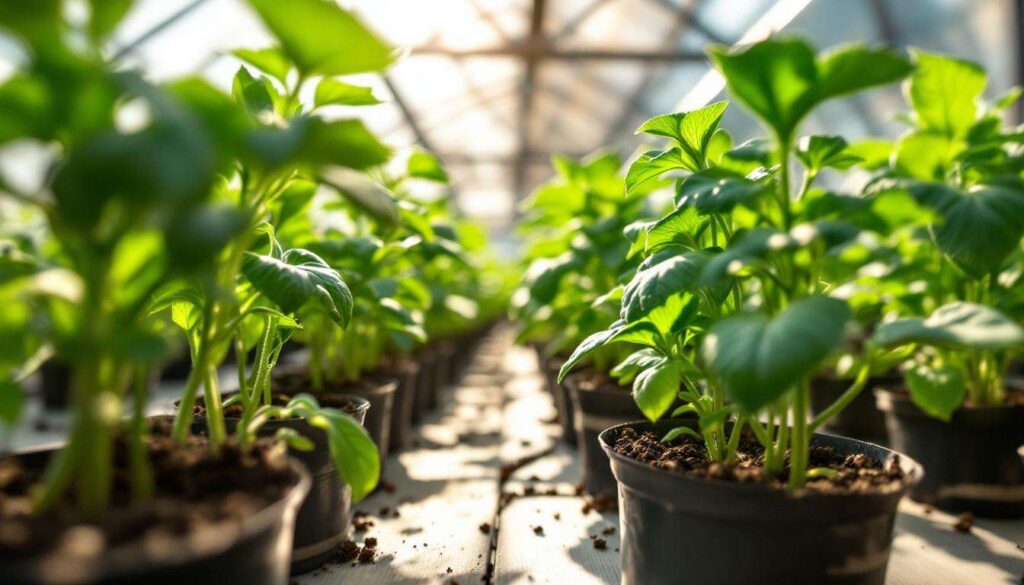
Growing eggplants and bell peppers from seed requires careful planning and attention to temperature requirements. These warm-season vegetables thrive in heat but cannot tolerate cold soil or frost, making greenhouse cultivation an essential strategy for gardeners seeking robust transplants. Starting seedlings eight weeks before the last expected frost date provides sufficient time for these slow-growing plants to develop strong root systems and sturdy stems. The controlled environment of a greenhouse offers protection from temperature fluctuations while allowing gardeners to manipulate conditions for optimal germination and growth. This approach extends the growing season and produces healthier plants that transition more successfully to outdoor gardens.
Understanding the thermal needs of eggplants and bell peppers
Temperature requirements for germination
Both eggplants and bell peppers demand consistently warm conditions to germinate successfully. Seeds require soil temperatures between 75°F and 85°F for optimal sprouting, with germination rates declining significantly below 70°F. Eggplant seeds typically emerge within seven to fourteen days under ideal conditions, while bell peppers may take ten to twenty-one days. These extended germination periods underscore the importance of maintaining stable warmth throughout the early stages of development.
Growth temperature preferences
Once seedlings emerge, temperature management remains critical for healthy development. The following conditions promote vigorous growth:
- Daytime temperatures between 70°F and 80°F
- Nighttime temperatures no lower than 60°F
- Soil temperatures consistently above 65°F
- Protection from temperature swings exceeding 15°F
Exposure to temperatures below 50°F can permanently stunt growth or damage developing tissues, setting plants back by weeks. This sensitivity to cold explains why greenhouse cultivation proves essential for early-season production.
Comparing thermal tolerance between varieties
| Plant Type | Minimum Soil Temp | Optimal Range | Cold Sensitivity |
|---|---|---|---|
| Bell Peppers | 60°F | 70°F-85°F | High |
| Eggplants | 65°F | 75°F-90°F | Very High |
Understanding these specific thermal requirements helps gardeners create the precise conditions necessary for success. With this foundation established, the next consideration involves the actual process of starting seeds in a protected environment.
Steps to sow seeds in a greenhouse
Timing your seed starting schedule
Calculate your sowing date by counting backward eight weeks from your region’s average last frost date. This timeline accounts for germination, seedling development, and hardening off periods. For regions with last frost dates in mid-May, begin sowing seeds in mid-March. Gardeners in warmer climates may start earlier, while those in cooler areas should adjust accordingly.
Selecting appropriate seed varieties
Choose varieties suited to your growing season length and climate conditions. Consider these factors when selecting seeds:
- Days to maturity from transplanting
- Disease resistance for your region
- Fruit size and production habits
- Heat tolerance for summer conditions
Hybrid varieties often provide improved vigor and disease resistance, while heirloom selections offer unique flavors and characteristics worth preserving.
Creating the ideal sowing environment
Greenhouse preparation involves more than simply placing seeds in containers. Ensure adequate ventilation to prevent fungal diseases, maintain humidity levels between 60% and 70%, and position heating mats or systems to deliver consistent bottom heat. Supplemental lighting may prove necessary if natural light remains insufficient during early spring months, particularly in northern latitudes where day length and light intensity limit photosynthesis.
Once the greenhouse environment meets these specifications, attention turns to the physical components that will support seedling development.
Prepare soil and containers
Choosing containers for seed starting
Container selection impacts root development and transplanting success. Individual cells or pots measuring two to three inches in diameter provide adequate space for eight-week-old seedlings. Options include:
- Plastic cell packs with drainage holes
- Biodegradable peat or fiber pots
- Reusable plastic containers from previous seasons
- Soil blocks formed with specialized tools
Ensure all containers feature adequate drainage to prevent waterlogging, which encourages damping-off disease and root rot.
Formulating seed starting mix
Garden soil proves too heavy for seed starting, compacting in containers and restricting delicate root growth. Professional seed starting mixes combine lightweight components that retain moisture while providing excellent drainage. A typical formula includes equal parts peat moss or coir, vermiculite, and perlite. Some gardeners add small amounts of compost for nutrients, though excessive fertility can actually hinder germination.
Sterilization and disease prevention
Pathogens present in unsterilized materials can devastate young seedlings. Commercial seed starting mixes typically arrive pre-sterilized, but reused containers require thorough cleaning with a 10% bleach solution. Allow containers to dry completely before filling with growing medium. This simple precaution eliminates most fungal and bacterial threats that cause seedling losses.
With containers prepared and growing medium ready, the focus shifts to techniques that maximize germination rates.
Optimal germination techniques
Proper seed depth and spacing
Seed depth directly affects germination success. Plant eggplant and bell pepper seeds at a depth of one-quarter inch, covering them lightly with seed starting mix. Deeper planting delays emergence, while seeds left too shallow may dry out before sprouting. Sow two seeds per cell or container to ensure at least one successful germination, thinning to the strongest seedling after emergence.
Moisture management during germination
Consistent moisture proves essential but overwatering kills more seedlings than underwatering. Water thoroughly after sowing, then maintain even moisture without saturating the growing medium. Consider these watering strategies:
- Bottom watering through trays to prevent surface crusting
- Misting with a spray bottle for gentle moisture application
- Covering containers with plastic domes to retain humidity
- Checking moisture levels daily by feeling the growing medium
Remove humidity domes immediately upon seedling emergence to prevent fungal diseases.
Utilizing heat mats effectively
Bottom heat accelerates germination by warming the root zone to optimal temperatures. Place seedling trays on heating mats set to maintain soil temperatures between 75°F and 80°F. Monitor temperatures with a soil thermometer, adjusting mat settings as needed. Once seedlings emerge, reduce heat or remove mats entirely if ambient greenhouse temperatures remain adequate, as excessive heat can cause leggy, weak growth in young plants.
After germination occurs and seedlings establish themselves, the next phase involves preparing these young plants for their permanent outdoor locations.
When and how to transplant outdoors
Determining transplant readiness
Seedlings reach transplant size when they develop four to six true leaves and stand four to six inches tall with sturdy stems. True leaves appear after the initial cotyledons and display the characteristic shape of mature plant foliage. Root systems should fill containers without becoming pot-bound, visible as white roots reaching container edges.
Hardening off procedures
Abrupt transitions from greenhouse to garden shock plants and reduce productivity. The hardening off process gradually acclimates seedlings to outdoor conditions over seven to ten days:
- Begin by placing plants in shade outdoors for two hours
- Gradually increase exposure time by one to two hours daily
- Introduce direct sunlight incrementally after several days
- Bring plants indoors if temperatures drop below 55°F
- Reduce watering slightly to toughen plant tissues
This systematic approach strengthens cell walls and adjusts photosynthetic processes to higher light intensities.
Optimal transplanting conditions
| Condition | Requirement | Reason |
|---|---|---|
| Soil Temperature | Minimum 60°F | Prevents transplant shock |
| Air Temperature | Consistently above 50°F | Ensures continued growth |
| Weather | Cloudy or late afternoon | Reduces transplant stress |
| Soil Moisture | Evenly moist | Facilitates root establishment |
Transplant on overcast days or during evening hours to minimize wilting. Water thoroughly after planting and maintain consistent moisture for two weeks while roots establish in their new environment.
Successful transplanting depends heavily on the care provided during the seedling stage, making ongoing maintenance practices equally important.
Tips for maintaining and growing seedlings
Lighting requirements for strong growth
Adequate light prevents leggy, weak seedlings that struggle after transplanting. Natural greenhouse light often suffices in late spring, but early-season sowings may require supplemental lighting. Position grow lights two to four inches above seedling tops, maintaining this distance as plants grow. Provide fourteen to sixteen hours of light daily, using timers for consistency.
Fertilization strategies
Seed starting mix contains minimal nutrients, requiring supplemental feeding as seedlings develop. Begin fertilizing when true leaves appear, using diluted liquid fertilizer at one-quarter to one-half strength. Apply weekly, choosing balanced formulations or those slightly higher in phosphorus to encourage root development. Avoid over-fertilizing, which produces excessive foliage at the expense of root growth.
Preventing common seedling problems
Several issues commonly affect eggplant and bell pepper seedlings. Address these challenges proactively:
- Damping-off: ensure proper air circulation and avoid overwatering
- Leggy growth: increase light intensity and duration
- Yellowing leaves: begin fertilization program
- Stunted growth: verify adequate warmth and check for root binding
- Wilting: assess moisture levels and root health
Regular monitoring allows early intervention before problems become severe.
Managing greenhouse climate
Consistent environmental conditions promote uniform seedling development. Vent greenhouses when temperatures exceed 85°F to prevent heat stress. Maintain air circulation with small fans to strengthen stems and reduce disease pressure. Monitor humidity levels, adjusting ventilation to prevent excessive moisture accumulation that encourages fungal growth while avoiding conditions so dry that seedlings require constant watering.
Starting eggplants and bell peppers in a greenhouse eight weeks before the last frost provides these heat-loving crops with the warm conditions they require for successful germination and early growth. Careful attention to temperature management, proper sowing techniques, and consistent seedling care produces robust transplants ready to thrive in outdoor gardens. The investment in greenhouse cultivation and systematic plant care yields earlier harvests and healthier plants that better withstand environmental stresses throughout the growing season. By understanding the specific needs of these warm-season vegetables and providing optimal conditions during their critical early development, gardeners set the foundation for productive summer harvests.