


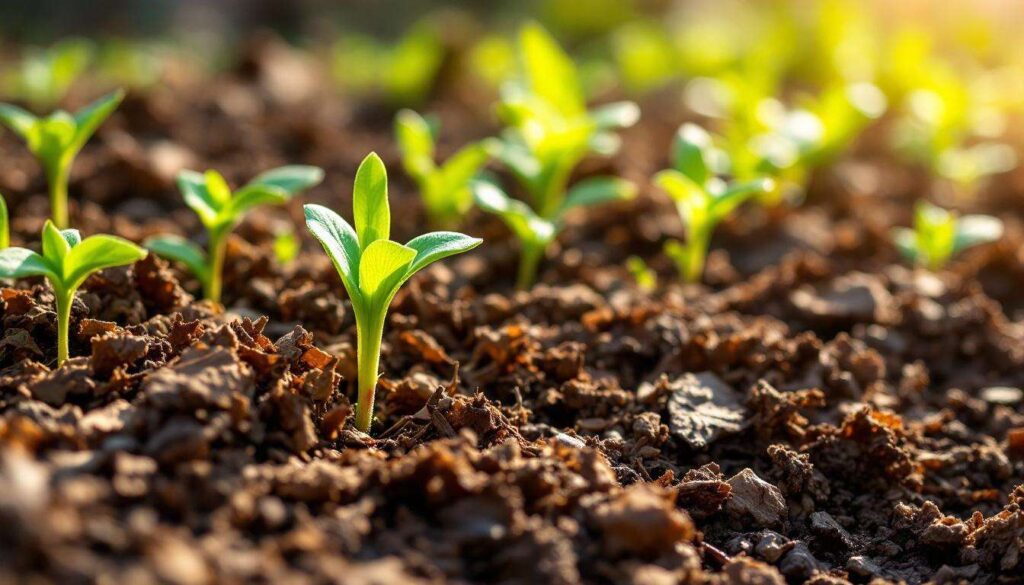
Garden beds require strategic preparation as temperatures begin to rise and soil awakens from winter dormancy. Applying organic matter through mulching and composting creates a protective barrier while simultaneously enriching the earth beneath. This dual-action approach addresses multiple gardening challenges: moisture retention, temperature regulation, weed suppression, and nutrient delivery. When timed correctly in early spring, these practices establish optimal conditions for emerging plants and set the foundation for a productive growing season.
Understanding the importance of mulch and compost
Defining mulch and its primary functions
Mulch consists of organic or inorganic materials spread across the soil surface to create a protective layer. Organic options include shredded bark, wood chips, straw, and leaf mold, while inorganic alternatives encompass gravel, landscape fabric, and rubber materials. The primary purpose centers on soil protection rather than nutrient enrichment, though organic mulches gradually decompose and contribute minor nutritional benefits over time.
The role of compost in soil health
Compost represents decomposed organic matter that has undergone biological breakdown into a nutrient-rich amendment. Unlike mulch, compost integrates directly into soil structure or serves as a top dressing that feeds plants immediately. It contains essential macronutrients and micronutrients while introducing beneficial microorganisms that enhance soil biology. The transformation of kitchen scraps, yard waste, and other organic materials into this dark, crumbly substance creates one of gardening’s most valuable resources.
Why both materials matter for garden success
The combination of mulch and compost addresses different aspects of soil management:
- Compost provides immediate nutrition and improves soil structure
- Mulch offers long-term protection against environmental stressors
- Together they create a layered system mimicking natural forest floor conditions
- The pairing reduces maintenance requirements throughout the growing season
Recognizing these distinct yet complementary functions helps gardeners make informed decisions about material selection and application methods.
How to choose between mulch and compost
Assessing your garden’s specific needs
Garden conditions dictate which material takes priority. Newly established beds with poor soil quality benefit most from generous compost applications that build fertility rapidly. Mature gardens with adequate nutrient levels may require only mulch to maintain moisture and suppress weeds. Clay-heavy soils need compost to improve drainage and aeration, while sandy soils benefit from both materials to increase water retention and add nutrients that leach away quickly.
Comparing costs and availability
Budget considerations influence material selection significantly. Homemade compost costs nothing beyond time and effort, making it ideal for budget-conscious gardeners willing to maintain compost bins. Commercial compost ranges from affordable municipal offerings to premium blends with specific nutrient profiles. Mulch prices vary widely based on type and source, with free options including grass clippings, fallen leaves, and wood chips from tree service companies.
| Material | Cost Range | Availability | Longevity |
|---|---|---|---|
| Homemade compost | Free | Requires planning | 1 season |
| Bagged compost | $3-8 per bag | Year-round | 1 season |
| Shredded bark | $25-40 per yard | Year-round | 2-3 years |
| Straw | $5-10 per bale | Seasonal | 1 season |
Matching materials to plant types
Different plants respond better to specific organic materials. Acid-loving plants like blueberries and azaleas thrive with pine needle mulch that gradually lowers pH levels. Vegetable gardens benefit from compost-rich beds topped with straw mulch that breaks down quickly and can be tilled in at season’s end. Perennial borders perform well with hardwood mulch that decomposes slowly and provides lasting weed suppression.
Understanding these distinctions between materials guides gardeners toward selecting the most appropriate option for their circumstances and prepares them for proper soil preparation techniques.
Preparing the soil in March: key steps
Evaluating soil readiness for spring work
Soil moisture content determines when March preparation can begin safely. Working soil that remains too wet from winter precipitation causes compaction and structural damage that persists throughout the growing season. The squeeze test provides a simple assessment: grab a handful of soil and compress it firmly. If water drips out or the soil forms a tight ball that doesn’t crumble when poked, conditions remain too wet for cultivation. Wait until soil crumbles easily after squeezing before proceeding with bed preparation.
Clearing winter debris and weeds
Remove accumulated leaves, dead plant material, and early-emerging weeds before applying fresh organic matter. This cleanup prevents pest and disease carryover from overwintering pathogens while eliminating competition for nutrients and space. Pay particular attention to perennial weed roots that establish quickly in early spring warmth. Disposing of diseased plant material in municipal waste rather than compost piles prevents reintroduction of problems into garden beds.
Testing and amending soil pH
March presents an ideal window for soil testing because results guide amendment decisions before planting begins. Most vegetables and ornamentals prefer pH levels between 6.0 and 7.0, though specific plants have narrower requirements. Testing kits from garden centers provide basic information, while extension service laboratory analysis offers detailed nutrient profiles. Adjustments using lime to raise pH or sulfur to lower it require several weeks to take effect, making early spring application timing crucial.
These preparatory steps create the clean slate necessary for layering organic materials effectively.
The benefits of layering organic matter
Creating a lasagna garden structure
The layering technique, often called lasagna gardening, alternates carbon-rich and nitrogen-rich materials to create a self-composting bed. This method builds soil depth while suppressing weeds through light exclusion. Starting with cardboard or newspaper over existing grass or weeds eliminates the need for digging. Subsequent layers of compost, leaves, grass clippings, and other organic materials decompose gradually, creating rich growing medium by planting time.
Improving water retention and drainage
Organic matter acts as a sponge within soil structure, holding moisture during dry periods while improving drainage in heavy soils. Compost particles create air spaces that allow excess water to percolate through rather than pooling on the surface. This dual action proves particularly valuable during unpredictable spring weather patterns when heavy rains may alternate with dry spells. Gardens with adequate organic content require less frequent irrigation and recover more quickly from both drought and flooding.
Enhancing soil microbiology
Beneficial organisms thrive in organic-rich environments, creating a living soil ecosystem that supports plant health. These microorganisms include:
- Bacteria that convert atmospheric nitrogen into plant-available forms
- Fungi that extend root reach through mycorrhizal associations
- Earthworms that create channels for air and water movement
- Protozoa that release nutrients by consuming bacteria
This biological activity continues throughout the growing season, providing ongoing benefits beyond the initial nutrient content of applied materials.
These advantages demonstrate why layering organic matter produces superior results compared to single-material applications.
Protecting soil and boosting spring growth
Temperature regulation for early plantings
Mulch layers insulate soil against temperature fluctuations that stress young plants and delay germination. Dark-colored compost absorbs solar radiation, warming soil faster in early spring and extending the growing season at both ends. This thermal mass effect moderates overnight cooling, protecting tender growth from late frosts. However, excessive mulch depth in early spring can keep soil too cool, so timing and thickness require careful consideration based on local climate patterns.
Preventing soil erosion and compaction
Bare soil exposed to spring rains suffers from erosion and surface crusting that impedes seedling emergence. Organic matter coverage breaks the impact of falling raindrops, allowing water to infiltrate gently rather than running off and carrying topsoil away. This protection proves especially critical on sloped beds where erosion risk increases significantly. The cushioning effect also prevents compaction from foot traffic during garden maintenance, preserving the porous structure necessary for root development.
Supplying nutrients as plants emerge
Spring growth demands substantial nutrient resources as plants break dormancy and produce new foliage. Compost layers provide immediate nutrition while mulch decomposes slowly, releasing nutrients gradually throughout the season. This sustained feeding reduces the need for synthetic fertilizers and prevents the boom-bust cycles associated with soluble nutrient applications. Organic matter also improves nutrient retention by increasing cation exchange capacity, preventing valuable minerals from leaching beyond root zones.
These protective and nutritive functions work together to establish vigorous spring growth that carries through the entire growing season.
Best practices for applying mulch and compost
Determining proper application depth
Layer thickness significantly impacts effectiveness and plant health. Compost applications should measure one to two inches when used as top dressing, or up to four inches when incorporated into soil during bed preparation. Mulch depth depends on material type: fine-textured mulches like twice-shredded bark require two to three inches, while coarser materials like wood chips perform best at three to four inches. Excessive depth suffocates plant crowns and creates habitat for pests, while insufficient coverage fails to suppress weeds or retain moisture adequately.
Avoiding common application mistakes
Several errors undermine the benefits of organic matter applications:
- Piling material against plant stems creates moisture traps that encourage rot and disease
- Using fresh wood chips directly on beds temporarily depletes nitrogen as decomposition begins
- Applying mulch before soil warms sufficiently delays spring growth
- Neglecting to replenish materials as they decompose reduces protective coverage
- Mixing different mulch types creates an inconsistent appearance and decomposition rate
Timing applications for maximum benefit
March timing allows organic matter to settle and begin integrating with soil before peak planting season arrives. Early application also captures spring moisture, reducing irrigation needs as weather warms. However, gardeners in cold climates should wait until soil temperatures reach at least 50 degrees Fahrenheit before mulching to avoid delaying warming. Compost can be applied earlier since it actively warms soil, while mulch application may wait until after spring bulbs emerge to avoid covering emerging shoots.
Garden beds prepared with properly layered organic matter in March establish the foundation for healthy, productive growth throughout the growing season. The combination of compost’s immediate nutritional benefits and mulch’s long-term protective qualities creates optimal conditions for spring plants while improving soil health year after year. These practices reduce maintenance requirements, conserve water resources, and build sustainable garden ecosystems that become more productive over time. Investing effort in early spring preparation pays dividends through reduced weeding, less frequent watering, and vigorous plant performance that continues from first planting through final harvest.