



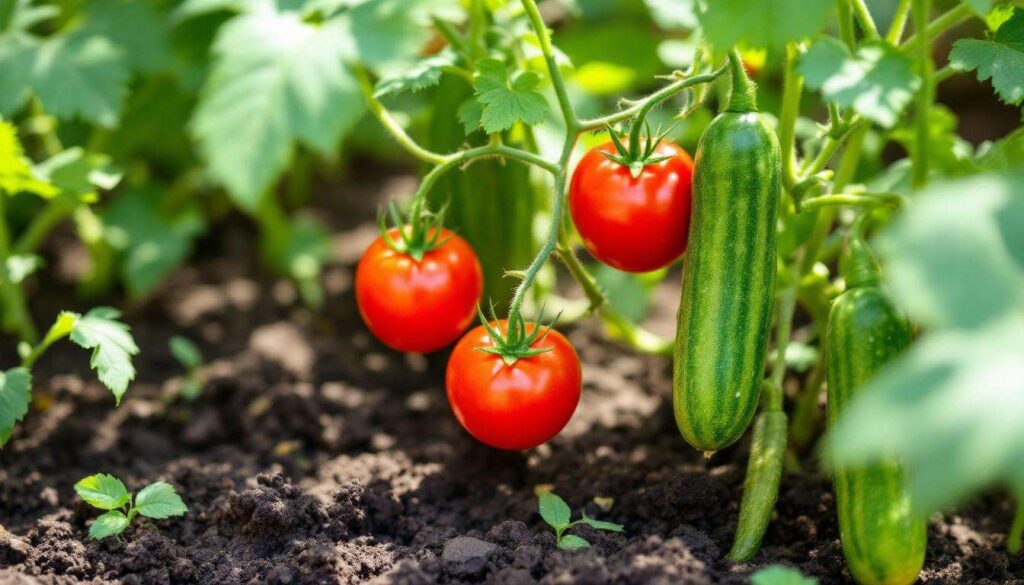
Raised bed gardening offers gardeners precise control over soil quality, drainage, and growing conditions, making it an ideal setup for cultivating vegetables like tomatoes and cucumbers. However, planting the same crops in the same beds year after year can lead to soil depletion, increased pest populations, and devastating plant diseases. Implementing a strategic crop rotation system transforms raised beds into productive, disease-resistant growing spaces that deliver consistent harvests season after season. This agricultural practice, used for centuries by farmers worldwide, prevents pathogen buildup while naturally replenishing soil nutrients that specific plant families consume.
Understanding crop rotation
What crop rotation means for home gardeners
Crop rotation involves systematically changing the location of plant families within garden beds from one growing season to the next. Rather than planting tomatoes in the same raised bed every year, gardeners move them to different beds while rotating other crops through the original location. This practice disrupts the life cycles of soil-borne pathogens and pests that target specific plant families, preventing them from establishing permanent populations in any single bed.
Plant family classifications
Understanding botanical families helps gardeners plan effective rotations. Tomatoes belong to the Solanaceae family, which also includes peppers, eggplants, and potatoes. Cucumbers are members of the Cucurbitaceae family, alongside squash, melons, and zucchini. These families share similar nutritional needs and attract comparable pests and diseases, making rotation between them particularly beneficial.
The science behind rotation success
Different plant families extract varying nutrient combinations from soil and host different pathogen species. When gardeners rotate crops properly, they:
- Prevent nutrient depletion by alternating heavy feeders with lighter feeders
- Break disease cycles that require specific host plants to survive
- Disrupt pest reproduction patterns tied to particular crops
- Improve soil structure through varied root systems
This foundational understanding of rotation principles sets the stage for examining the specific advantages gained when rotating tomatoes and cucumbers in raised bed systems.
The benefits of rotating tomatoes and cucumbers
Complementary nutrient demands
Tomatoes are heavy nitrogen feeders that extract substantial amounts of this essential nutrient from soil throughout their growing season. Cucumbers, while also requiring nitrogen, have different nutritional priorities and root depths. By alternating these crops, gardeners prevent the severe nitrogen depletion that occurs when growing tomatoes in the same location repeatedly.
Reduced pest pressure
Each crop attracts distinct pest populations. Tomato hornworms, aphids, and whiteflies target tomato plants specifically, while cucumber beetles and squash bugs prefer cucurbit crops. Rotating these vegetables confuses overwintering pest populations that emerge expecting their preferred host plants. When pests find an incompatible crop instead, their populations decline naturally without chemical interventions.
Soil structure improvement
Tomato plants develop deep taproots that penetrate soil layers and create channels for water and air movement. Cucumber plants produce more fibrous, spreading root systems that work the upper soil layers. This alternating root architecture improves overall soil structure, enhances drainage, and increases the soil’s capacity to retain moisture and nutrients.
While these general benefits demonstrate rotation value, the disease prevention aspects deserve particular attention given their dramatic impact on crop success.
Preventing diseases through rotation
Common tomato diseases addressed by rotation
Tomatoes suffer from numerous soil-borne diseases that persist in garden beds between seasons. Early blight, caused by Alternaria solani, remains viable in soil and plant debris for extended periods. Verticillium and Fusarium wilts survive in soil for years, attacking tomato roots and blocking water transport. Bacterial spot and bacterial speck also overwinter in garden beds, ready to infect new plants.
Cucumber disease challenges
Cucumbers face their own disease threats, including powdery mildew, downy mildew, and angular leaf spot. Anthracnose and bacterial wilt also affect cucumber plants. Fortunately, these pathogens typically do not infect tomato plants, making rotation between these crops an effective disease management strategy.
How rotation breaks disease cycles
Most plant pathogens require living host tissue or fresh plant residue to survive. When gardeners rotate tomatoes out of a bed and plant cucumbers instead, tomato-specific pathogens gradually die off due to lack of suitable hosts. The typical disease organism lifespan in soil without host plants ranges from several months to three years, depending on the pathogen species.
| Disease | Survival Time Without Host | Rotation Benefit |
|---|---|---|
| Early Blight | 1-2 years | High |
| Fusarium Wilt | 3-5 years | Moderate |
| Bacterial Spot | 6-12 months | Very High |
| Verticillium Wilt | 4-7 years | Moderate |
Beyond disease prevention, rotation directly influences the quantity and quality of vegetables harvested from raised beds.
Boosting vegetable yield by alternating crops
Nutrient availability optimization
When tomatoes grow in the same bed repeatedly, they deplete specific micronutrients like calcium and magnesium that support fruit development. Cucumbers utilize different nutrient ratios, allowing depleted elements to accumulate while the bed produces cucumber harvests. This natural replenishment cycle maintains soil fertility without excessive fertilizer applications.
Reduced plant stress and vigor improvement
Plants growing in pathogen-laden soil expend energy fighting infections rather than producing fruit. Rotated crops experience less disease pressure, allowing them to direct resources toward vegetative growth and fruit production. Healthier plants produce more flowers, set more fruit, and maintain productivity longer into the season.
Extended harvest windows
Disease-free plants continue producing well beyond the typical harvest period. Tomatoes in rotated beds often produce fruit four to six weeks longer than plants in disease-compromised soil. Cucumbers maintain productivity and produce higher-quality fruit when grown in beds previously occupied by non-cucurbit crops.
Measurable yield increases
Research and practical experience demonstrate substantial yield improvements from rotation:
- Tomato yields increase 20-40% in properly rotated beds
- Cucumber production improves 15-30% with rotation
- Fruit quality and size improve noticeably
- Plant mortality rates decrease significantly
Achieving these impressive results requires implementing specific rotation techniques tailored to raised bed gardening.
Techniques for effective rotation
Minimum rotation intervals
The standard recommendation calls for waiting three to four years before replanting the same crop family in a specific bed. In raised bed systems with limited space, a two-year minimum rotation provides substantial benefits, though longer intervals offer better disease suppression.
Incorporating cover crops
Planting cover crops like clover, winter rye, or buckwheat between vegetable crops accelerates soil recovery. These plants add organic matter, fix nitrogen, suppress weeds, and further disrupt pest and disease cycles. Turning cover crops into the soil before planting vegetables provides a nutrient boost that supports vigorous growth.
Companion planting within rotation
While rotating primary crops, gardeners can incorporate companion plants that enhance growth and pest resistance. Basil planted with tomatoes repels certain insects, while radishes planted with cucumbers deter cucumber beetles. These companions work within the rotation framework without compromising its effectiveness.
Record keeping essentials
Successful rotation requires tracking what grows where each season. Gardeners should maintain records including:
- Bed locations and dimensions
- Crops planted in each bed by season
- Planting and harvest dates
- Disease or pest problems encountered
- Yield estimates and quality notes
These techniques provide the foundation for developing comprehensive rotation plans that function effectively across multiple growing seasons.
Planning your rotations season after season
Creating a multi-year rotation schedule
Effective planning begins with mapping all available raised beds and designating rotation groups. A simple four-bed system might follow this pattern: Year one places tomatoes in bed A and cucumbers in bed B. Year two moves tomatoes to bed B and cucumbers to bed C. Year three shifts tomatoes to bed C and cucumbers to bed D. Year four completes the cycle with tomatoes in bed D and cucumbers returning to bed A.
Integrating additional crop families
Most gardeners grow more than two crop types. Incorporating legumes, brassicas, and root vegetables into rotation plans maximizes benefits. A comprehensive rotation might sequence: tomatoes, followed by cucumbers, then beans, and finally lettuce or carrots before returning to tomatoes. This four-year rotation provides optimal disease suppression and nutrient management.
Adapting to space limitations
Gardeners with only two or three raised beds can still implement effective rotations by alternating crops annually and incorporating cover crops during off-seasons. Even a simple two-bed system alternating tomatoes and cucumbers yearly provides substantial benefits compared to continuous planting of the same crops.
Seasonal adjustments and flexibility
Rotation plans should remain flexible to accommodate changing conditions, crop failures, or new vegetable varieties. If disease strikes despite rotation efforts, extending the interval before replanting that crop family helps eliminate persistent pathogens. Similarly, particularly successful crop placements can inform future planning decisions.
Crop rotation represents one of the most powerful tools available to raised bed gardeners seeking to prevent disease and maximize yields. By understanding plant family relationships, implementing strategic rotation schedules, and maintaining detailed records, gardeners create self-sustaining growing systems that improve with each passing season. The modest planning effort required pays dividends through healthier plants, reduced pest pressure, and abundant harvests of tomatoes and cucumbers year after year. Starting with a simple rotation between these two popular vegetables provides immediate benefits while establishing practices that support long-term garden productivity and soil health.