



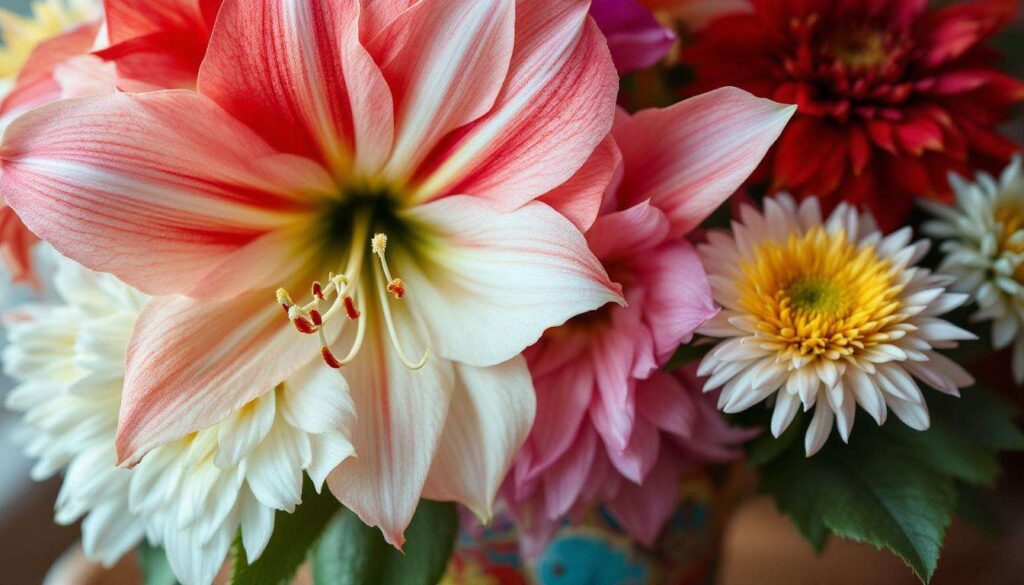
Gardeners seeking to inject bold color and lasting beauty into their outdoor spaces often turn to two standout performers: amaryllis and chrysanthemums. These vibrant annual plants offer distinct advantages for container gardening, with their dramatic blooms and relatively straightforward care requirements. Whether you’re working with traditional terracotta pots or modern planters, understanding how to harness the visual impact of these flowering favorites can transform balconies, patios, and entryways into stunning displays. Their complementary blooming periods and diverse color palettes make them particularly valuable for gardeners looking to maintain continuous interest throughout the growing season.
Introduction to amaryllis and chrysanthemums: vibrant annual plants
Understanding amaryllis characteristics
Amaryllis, scientifically known as Hippeastrum, produces spectacular trumpet-shaped flowers that can reach up to eight inches across. Native to tropical regions of South America, these bulbous plants have been cultivated for centuries for their architectural blooms. Each bulb typically produces one to three flower stalks, with each stalk bearing multiple blooms. The color range spans from pure white and soft pastels to deep reds and striking bi-colors.
Chrysanthemum essentials
Chrysanthemums, affectionately called mums, belong to the Chrysanthemum genus and offer an entirely different aesthetic appeal. These plants produce abundant clusters of smaller flowers in forms ranging from simple daisies to elaborate pompoms and spider varieties. Their blooming period typically extends from late summer through fall, making them ideal companions for extending the seasonal display when paired strategically with earlier bloomers.
Key differences in growth habits
| Characteristic | Amaryllis | Chrysanthemums |
|---|---|---|
| Bloom size | 6-8 inches | 1-4 inches |
| Height range | 18-24 inches | 12-36 inches |
| Bloom duration | 2-3 weeks | 4-8 weeks |
| Primary season | Spring/early summer | Late summer/fall |
These contrasting characteristics create opportunities for creative planting schemes that maximize visual interest across multiple months.
The benefits of combining amaryllis and chrysanthemums in your planters
Creating continuous color displays
The sequential blooming patterns of these two plants provide an extended period of visual interest. Amaryllis typically flowers in spring and early summer, while chrysanthemums take center stage from late summer through the first frosts. This natural succession means your containers remain attractive for considerably longer than single-species plantings would allow.
Complementary design elements
Beyond timing, these plants offer contrasting forms that enhance overall composition. The vertical drama of amaryllis stalks creates height and focal points, while chrysanthemums provide fuller, bushier growth that fills in gaps and adds textural variety. This combination allows you to achieve professional-looking arrangements without extensive horticultural expertise.
Practical advantages for container gardening
- Both species adapt well to container cultivation with proper drainage
- Similar watering requirements simplify maintenance routines
- Complementary root systems allow successful cohabitation without excessive competition
- Flexible placement options accommodate changing light conditions throughout seasons
- Cost-effective approach to maintaining year-round container interest
Understanding these practical synergies helps gardeners make informed decisions about planting strategies and container selection.
How to successfully plant as early as March
Preparing containers for early planting
March planting requires attention to container preparation and soil quality. Select pots with adequate drainage holes, ideally measuring at least 12 inches in diameter and 10 inches deep to accommodate root development. Use a high-quality potting mix enriched with compost rather than garden soil, which compacts in containers and restricts drainage.
Planting amaryllis bulbs properly
Position amaryllis bulbs with the top third exposed above the soil surface, ensuring the pointed end faces upward. Space multiple bulbs approximately six inches apart to prevent overcrowding. Firm the soil gently around each bulb without compacting excessively. Water thoroughly after planting, then reduce watering until green shoots emerge, typically within two to four weeks.
Establishing chrysanthemums alongside bulbs
When combining both species, plant chrysanthemums as young transplants around the perimeter of amaryllis bulbs. This arrangement allows the amaryllis to dominate initially while chrysanthemums establish root systems. Position mums at the same depth they grew in their nursery containers, spacing them according to their mature size specifications.
Timing considerations for March planting
- Monitor local frost dates before moving containers outdoors permanently
- Start bulbs indoors if nighttime temperatures regularly drop below 40°F
- Gradually acclimate plants to outdoor conditions over seven to ten days
- Protect emerging shoots from unexpected late freezes with fabric covers
These foundational steps establish conditions for robust growth and abundant flowering in the months ahead.
Maintenance tips to extend blooming
Deadheading techniques for prolonged displays
Regular removal of spent flowers encourages continued bloom production in chrysanthemums. Pinch or cut faded blooms just above the next set of leaves, redirecting the plant’s energy toward developing new buds rather than seed production. For amaryllis, remove individual flowers as they fade, but leave the stalk intact until it yellows completely.
Fertilization schedules
Apply a balanced, water-soluble fertilizer every two weeks during active growth periods. Use a formulation with equal nitrogen, phosphorus, and potassium ratios, such as 10-10-10 or 20-20-20. Reduce fertilization frequency as blooming slows, and discontinue entirely once plants enter dormancy. Container plants require more frequent feeding than in-ground specimens because nutrients leach through drainage holes.
Post-bloom care strategies
| Task | Amaryllis | Chrysanthemums |
|---|---|---|
| Remove spent blooms | Immediately | Continuously |
| Cut back foliage | After yellowing | After first hard frost |
| Fertilize after blooming | Monthly until dormancy | Stop at frost |
Proper attention to these details maximizes the longevity and intensity of floral displays throughout the growing season.
Adjusting watering and exposure for healthy plants
Establishing optimal watering routines
Container plants require consistent moisture management without waterlogging. Check soil moisture by inserting your finger two inches below the surface; water when this depth feels dry. During hot weather, containers may need daily watering, while cooler periods require less frequent irrigation. Always water thoroughly until excess drains from bottom holes, ensuring complete root zone hydration.
Light requirements and positioning
Amaryllis thrives in bright, indirect light or morning sun with afternoon shade, particularly in warmer climates. Chrysanthemums prefer full sun exposure, requiring at least six hours of direct sunlight daily for optimal blooming. When combining both species, position containers where they receive morning sun and dappled afternoon light, creating a compromise that satisfies both plants’ needs.
Seasonal adjustments
- Rotate containers weekly to ensure even light distribution and prevent lopsided growth
- Move planters to shadier locations during extreme heat waves above 90°F
- Increase watering frequency as temperatures rise and plants reach peak bloom
- Reduce watering as daylight hours decrease and growth naturally slows
- Provide wind protection for tall amaryllis stalks in exposed locations
These environmental adjustments help plants maintain vigor while adapting to changing conditions throughout the growing season.
Combatting pests: natural and effective tips
Common pest challenges
Both amaryllis and chrysanthemums attract specific pests that can compromise plant health. Aphids, spider mites, and thrips commonly target these flowering plants, feeding on tender new growth and flower buds. Early detection through regular inspection prevents minor infestations from becoming serious problems requiring aggressive intervention.
Natural pest control methods
Begin with the gentlest approaches before escalating to stronger measures. A forceful spray of water dislodges many soft-bodied insects without chemical intervention. For persistent problems, mix one tablespoon of liquid castile soap with one quart of water, spraying affected areas thoroughly in early morning or evening to avoid leaf burn. Neem oil solutions provide broader-spectrum control while remaining relatively safe for beneficial insects.
Preventive strategies
- Inspect plants weekly, examining undersides of leaves where pests often hide
- Remove yellowing or damaged foliage promptly to eliminate pest habitat
- Maintain adequate spacing between plants for air circulation
- Avoid over-fertilizing, which produces succulent growth attractive to pests
- Introduce beneficial insects like ladybugs and lacewings as biological controls
- Keep containers elevated on pot feet to prevent soil-dwelling pests from crawling in
Disease prevention through good practices
Fungal diseases pose additional threats, particularly in humid conditions or with overhead watering. Water at soil level rather than wetting foliage, and ensure containers have excellent drainage. Remove any fallen leaves or debris from soil surfaces where pathogens can overwinter. If fungal issues appear despite precautions, organic fungicides containing copper or sulfur provide effective treatment options.
Combining amaryllis and chrysanthemums in container gardens delivers months of spectacular color with manageable care requirements. Their complementary blooming schedules, compatible growing needs, and contrasting forms create dynamic displays that evolve throughout the growing season. Success begins with proper planting techniques in quality containers, continues with attentive watering and fertilization, and extends through vigilant pest management. Whether adorning entryways, balconies, or patios, these vibrant annuals reward gardeners with reliable performance and stunning visual impact from early spring through fall’s first frosts.