


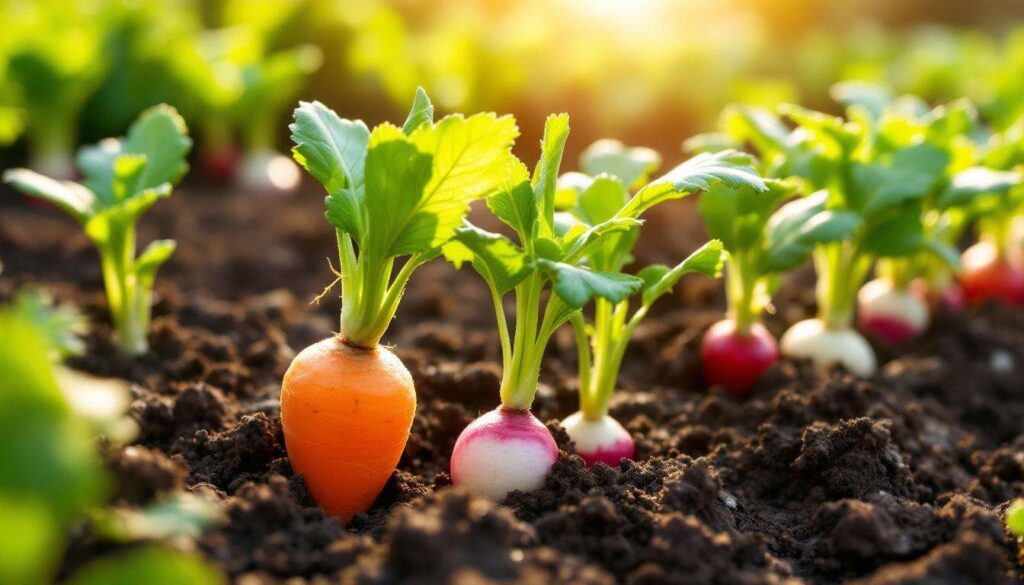
Root vegetables offer gardeners an early start to the growing season, with hardy varieties that thrive in cool spring conditions. Carrots, radishes, and beetroots stand out as particularly reliable crops that can be sown directly into garden beds when temperatures begin to rise. These vegetables develop underground, transforming simple seeds into nutritious harvests without the need for transplanting or complex cultivation methods. The process begins with proper soil preparation and timing, allowing home gardeners to enjoy fresh produce within weeks of planting.
Introduction to root vegetables in the garden
Understanding root vegetable characteristics
Root vegetables belong to a category of plants that store nutrients in their underground structures, making them particularly valuable for home cultivation. These crops share several distinctive features that set them apart from other garden vegetables:
- Direct development of edible portions beneath the soil surface
- Preference for cool growing conditions
- Ability to germinate in lower temperatures than many other vegetables
- Relatively short growing cycles for quick harvests
- Minimal space requirements compared to sprawling plants
Why choose carrots, radishes, and beetroots
These three vegetables represent ideal choices for early spring planting due to their cold tolerance and straightforward cultivation requirements. Radishes mature fastest, often ready within three to four weeks, while carrots and beetroots require longer development periods but offer substantial yields. Each vegetable provides distinct nutritional benefits and culinary versatility, making them valuable additions to any kitchen garden. Their ability to grow from seed without transplanting reduces labor and eliminates transplant shock, resulting in stronger plants and better harvests.
With these fundamental characteristics established, attention must turn to creating the optimal environment for seed germination and root development.
Preparing the soil for successful planting
Essential soil conditions
Root vegetables require loose, well-draining soil that allows unobstructed downward growth. Compacted or rocky soil leads to deformed roots and poor yields. The ideal soil composition includes:
| Soil component | Recommended percentage | Purpose |
|---|---|---|
| Loamy soil | 60-70% | Provides structure and nutrients |
| Organic matter | 20-30% | Improves drainage and fertility |
| Sand | 10-20% | Enhances drainage and prevents compaction |
Preparing the garden bed
Begin soil preparation several weeks before planting by removing rocks, debris, and previous crop residues. Work the soil to a depth of at least twelve inches, breaking up clumps and incorporating aged compost or well-rotted manure. Avoid fresh manure, which can cause root vegetables to fork or develop excessive foliage at the expense of root growth. Test soil pH and adjust if necessary, aiming for a range between 6.0 and 7.0 for optimal nutrient availability.
Once the physical structure is addressed, proper timing and technique become the focus for successful seed establishment.
Sowing in March: the secrets of success
Temperature considerations
March planting succeeds when soil temperature reaches appropriate levels for germination. While air temperature fluctuates considerably during early spring, soil temperature provides a more reliable indicator of planting readiness:
- Radishes germinate in soil as cool as 40°F (4°C)
- Carrots require minimum soil temperatures of 45°F (7°C)
- Beetroots prefer soil temperatures above 50°F (10°C)
Proper sowing techniques
Create shallow furrows using a hoe or stick, following spacing recommendations specific to each vegetable. Radish seeds should be planted one-half inch deep, while carrot and beetroot seeds require slightly deeper placement at three-quarters of an inch. Space rows twelve to eighteen inches apart to allow adequate room for growth and maintenance activities. Sow seeds thinly to reduce the need for extensive thinning later, though some thinning remains necessary for proper root development.
Post-sowing care
After sowing, gently firm the soil over seeds to ensure good seed-to-soil contact, which facilitates moisture absorption and germination. Water the planted area thoroughly using a gentle spray to avoid displacing seeds. Maintain consistent moisture levels during the germination period, as drying soil can prevent seedling emergence or cause uneven germination. Cover newly planted areas with row covers or lightweight fabric to moderate temperature fluctuations and protect emerging seedlings from pests.
Understanding the advantages these crops provide helps justify the effort invested in their cultivation.
The benefits of growing root vegetables
Nutritional advantages
Root vegetables deliver concentrated nutritional value in compact packages. Carrots provide exceptional amounts of beta-carotene, which converts to vitamin A in the body. Beetroots contain unique betalain pigments with antioxidant properties, along with significant folate and manganese content. Radishes offer vitamin C, potassium, and beneficial compounds that support digestive health. Growing these vegetables at home ensures maximum freshness and nutrient retention, as nutrient levels decline during storage and transportation.
Economic and environmental benefits
Home cultivation of root vegetables provides substantial cost savings compared to purchasing equivalent quantities from markets. A single packet of seeds produces multiple harvests worth many times the initial investment. Additionally, garden-grown vegetables eliminate packaging waste and transportation emissions associated with commercial produce. The ability to harvest only what is needed reduces food waste, while excess produce can be stored or preserved for extended use.
Maximizing these benefits requires attention to specific cultivation practices tailored to each vegetable type.
Cultivation tips for carrots, radishes, and beetroots
Carrot-specific guidance
Carrots demand patience and consistent care throughout their development period. Thin seedlings to two inches apart once they reach two inches in height, as crowding produces stunted, misshapen roots. Keep soil consistently moist but not waterlogged, as irregular watering causes splitting. Mulch around plants to retain moisture and suppress weeds, which compete for nutrients and space.
Radish cultivation essentials
Radishes grow rapidly and require minimal intervention when conditions are favorable. Thin plants to one inch apart within the first week after emergence. Harvest promptly when roots reach appropriate size, typically indicated by the top of the root pushing above the soil surface. Delayed harvest results in woody, pithy radishes with unpleasant flavor and texture.
Beetroot management
Beetroot seeds actually contain multiple seeds within each cluster, necessitating thorough thinning. Remove excess seedlings when plants develop two true leaves, leaving the strongest plant every three to four inches. Water deeply but infrequently to encourage downward root growth. Monitor for leaf miners and other pests that damage foliage and reduce root development.
Proper harvesting and storage techniques ensure that cultivation efforts translate into long-term enjoyment of homegrown produce.
Harvesting and storage: enjoying your produce
Optimal harvest timing
Each root vegetable signals readiness through specific visual indicators that guide harvest decisions:
| Vegetable | Days to maturity | Harvest indicators |
|---|---|---|
| Radishes | 20-30 days | Visible root crown, firm texture |
| Carrots | 60-80 days | Appropriate diameter, vibrant color |
| Beetroots | 50-70 days | Root diameter of 1.5-3 inches |
Harvesting techniques
Loosen soil around roots using a garden fork before pulling to prevent breakage and reduce waste. Harvest during cool morning hours when vegetables contain maximum moisture content. Remove tops immediately after harvest, leaving one inch of stem attached to prevent bleeding in beetroots. Brush away excess soil but avoid washing roots intended for storage, as moisture promotes decay.
Storage methods
Store unwashed root vegetables in perforated plastic bags within refrigerator crisper drawers, where they remain fresh for several weeks. For longer storage, layer carrots and beetroots in damp sand or sawdust within containers kept in cool, dark locations with temperatures between 32°F and 40°F (0°C to 4°C). Radishes have shorter storage life and should be consumed within two weeks of harvest for best quality.
Root vegetables grown from seed in early spring gardens provide reliable harvests with minimal complexity. Proper soil preparation creates the foundation for successful cultivation, while appropriate sowing techniques in March capitalize on favorable growing conditions. Carrots, radishes, and beetroots each offer unique benefits and require specific care approaches, but all share the advantage of direct sowing without transplanting. Attention to harvest timing and storage methods extends the enjoyment of homegrown produce well beyond the growing season, making these crops valuable additions to any productive garden.