



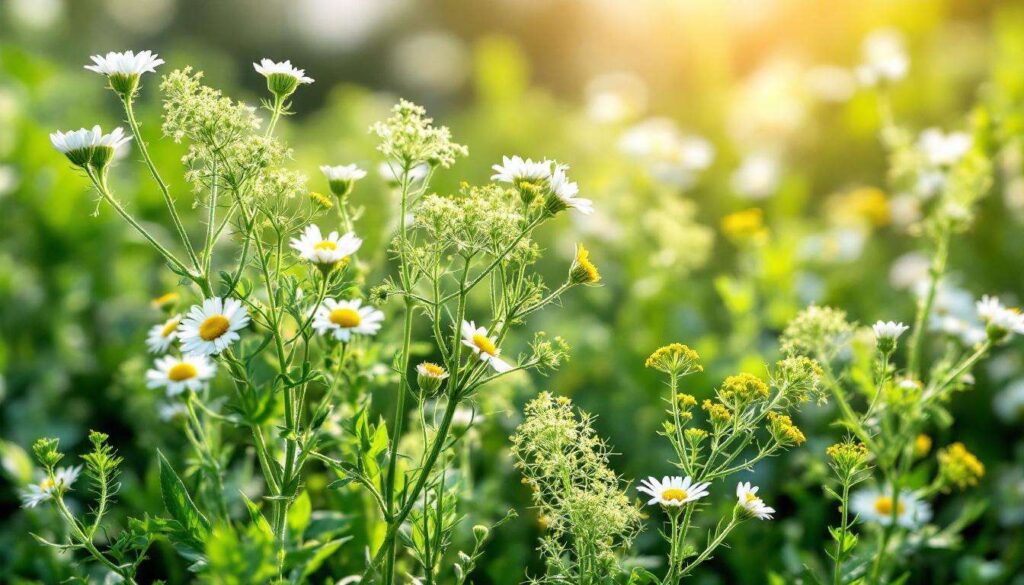
The gentle art of growing medicinal herbs at home has captivated gardeners for centuries, offering both therapeutic benefits and the satisfaction of cultivating plants with healing properties. Among the most accessible and rewarding herbs to grow are chamomile and fennel, two plants that have earned their place in traditional medicine cabinets worldwide. These versatile herbs not only provide natural remedies for common ailments but also add beauty and fragrance to any garden space. With April’s favorable conditions, home gardeners have the perfect opportunity to sow these medicinal plants from seed, establishing a foundation for a thriving herb garden that will yield benefits throughout the growing season.
Introduction to chamomile and fennel: virtues and uses
Understanding chamomile’s historical significance
Chamomile has been treasured since ancient times for its remarkable calming properties and gentle effectiveness. The most commonly cultivated varieties include German chamomile and Roman chamomile, both offering similar therapeutic benefits. This daisy-like flower produces a distinctive apple-scented aroma that has made it a staple in herbal medicine across cultures.
Fennel’s multifaceted applications
Fennel stands out as a dual-purpose herb that serves both culinary and medicinal functions. With its feathery foliage and distinctive anise-like flavor, fennel has been utilized for digestive support and respiratory health for thousands of years. The plant produces seeds, leaves, and bulbs that can all be harvested and used in various preparations.
Common applications in natural wellness
Both herbs offer practical applications for everyday health concerns:
- Chamomile tea for relaxation and sleep support
- Fennel seeds for digestive comfort after meals
- Topical chamomile preparations for skin irritations
- Fennel infusions for respiratory wellness
- Combined herbal blends for enhanced therapeutic effects
These foundational uses have made chamomile and fennel essential components of home apothecaries, and understanding their specific health benefits reveals why they deserve a prominent place in your medicinal garden.
The health benefits of chamomile
Promoting relaxation and sleep quality
Chamomile’s most celebrated benefit lies in its natural sedative properties. The plant contains apigenin, an antioxidant that binds to specific receptors in the brain, potentially reducing anxiety and initiating sleep. Regular consumption of chamomile tea has been associated with improved sleep quality and reduced symptoms of insomnia in various studies.
Digestive system support
The herb provides significant relief for gastrointestinal discomfort through its anti-inflammatory and antispasmodic properties. Chamomile can help address:
- Indigestion and bloating
- Stomach cramps and spasms
- Nausea and upset stomach
- Inflammatory bowel conditions
Skin health and topical applications
Beyond internal use, chamomile offers remarkable benefits for skin health. Its anti-inflammatory and antimicrobial properties make it effective for treating minor wounds, eczema, and various skin irritations. Chamomile compresses and creams have been used traditionally to accelerate healing and reduce inflammation.
| Condition | Application Method | Expected Benefit |
|---|---|---|
| Minor burns | Cool chamomile compress | Reduced inflammation and pain |
| Eczema | Chamomile cream or bath | Soothing relief and healing |
| Dry skin | Chamomile-infused oil | Moisturization and calming |
While chamomile offers impressive therapeutic potential, fennel provides its own distinct set of health advantages that complement these benefits perfectly.
Why grow fennel in your medicinal garden
Digestive health enhancement
Fennel has earned its reputation as a powerful digestive aid through centuries of traditional use. The plant’s seeds contain compounds that relax the smooth muscles of the gastrointestinal tract, providing relief from cramping, gas, and bloating. Fennel tea consumed after meals can significantly improve digestive comfort and reduce symptoms of indigestion.
Respiratory system benefits
The expectorant properties of fennel make it valuable for addressing respiratory concerns. The herb helps loosen mucus and phlegm, making it easier to clear congestion. Fennel infusions have been used traditionally to soothe coughs and support respiratory health during seasonal challenges.
Nutritional and antioxidant properties
Beyond its medicinal applications, fennel provides substantial nutritional value. The plant contains:
- Vitamin C for immune system support
- Fiber for digestive health
- Potassium for cardiovascular function
- Manganese for bone health
- Flavonoid antioxidants for cellular protection
Garden versatility and aesthetic appeal
Fennel serves as both a functional medicinal plant and an attractive ornamental addition to garden spaces. Its tall, feathery foliage creates visual interest and provides habitat for beneficial insects, including pollinators and predatory insects that help control garden pests. This dual functionality makes fennel an excellent choice for gardeners seeking both beauty and practicality.
Understanding these benefits sets the stage for successfully establishing these valuable plants through proper sowing techniques.
Sowing chamomile and fennel seeds in April: practical advice
Optimal timing for April sowing
April presents ideal conditions for sowing both chamomile and fennel seeds in most temperate regions. The soil has warmed sufficiently, and the risk of hard frost has typically passed. This timing allows seedlings to establish strong root systems before summer heat arrives, resulting in healthier, more productive plants.
Soil preparation requirements
Both herbs thrive in well-draining soil with moderate fertility. Prepare your planting area by:
- Loosening soil to a depth of at least six inches
- Incorporating compost for improved structure and nutrients
- Ensuring proper drainage to prevent waterlogging
- Maintaining a soil pH between 6.0 and 7.0
- Removing weeds and debris from the planting area
Seed sowing techniques
Chamomile seeds require light to germinate, so they should be pressed gently onto the soil surface rather than buried. Fennel seeds, conversely, benefit from being covered with approximately one-quarter inch of soil. Space chamomile seeds about six inches apart, while fennel requires more generous spacing of twelve to eighteen inches to accommodate its larger mature size.
| Plant | Seed Depth | Spacing | Germination Time |
|---|---|---|---|
| Chamomile | Surface sown | 6 inches | 7-14 days |
| Fennel | 1/4 inch | 12-18 inches | 10-14 days |
Watering and early care
After sowing, maintain consistent moisture without oversaturating the soil. Use a fine mist or gentle watering to avoid disturbing the seeds. Keep the soil evenly moist until germination occurs, then gradually reduce watering frequency while ensuring plants don’t experience drought stress during establishment.
Once seeds have germinated and seedlings begin developing, attention shifts to the ongoing care that ensures robust growth and abundant harvests.
Maintenance and harvest: tips for successful chamomile and fennel planting
Ongoing watering requirements
Established chamomile and fennel plants demonstrate moderate drought tolerance but perform best with regular moisture. Water deeply but infrequently, allowing soil to dry slightly between waterings. This approach encourages deep root development and prevents fungal issues associated with excessive moisture.
Fertilization and soil amendments
Both herbs require minimal fertilization, particularly when grown in reasonably fertile soil. Excessive nitrogen can actually reduce the concentration of beneficial essential oils in chamomile and cause fennel to produce excessive foliage at the expense of seed production. A light application of balanced organic fertilizer midseason typically provides adequate nutrition.
Harvesting chamomile flowers
Chamomile flowers should be harvested when fully open, typically in the morning after dew has dried but before the day’s heat intensifies. Pinch or snip individual flower heads, which encourages continued blooming throughout the season. Fresh flowers can be used immediately or dried for long-term storage.
Collecting fennel components
Fennel offers multiple harvest opportunities:
- Leaves can be snipped throughout the growing season for fresh use
- Seeds should be collected when they turn brown but before they drop
- Bulbs, if growing Florence fennel, are ready when they reach tennis ball size
- Stems can be harvested for culinary applications when tender
Drying and storage methods
Proper drying preserves the medicinal potency of both herbs. Spread chamomile flowers or fennel seeds in a single layer on screens or clean cloth in a warm, well-ventilated area away from direct sunlight. Once completely dry, store in airtight containers in a cool, dark location. Properly dried and stored herbs maintain their therapeutic properties for approximately one year.
With a successful harvest secured, the focus naturally turns to incorporating these valuable herbs into daily wellness practices for maximum benefit.
Incorporating chamomile and fennel into your wellness routine
Preparing therapeutic teas
The most accessible way to utilize these herbs involves brewing simple infusions. For chamomile tea, steep one to two teaspoons of dried flowers in hot water for five to ten minutes. Fennel tea requires one teaspoon of crushed seeds steeped for ten to fifteen minutes. Both can be consumed plain or enhanced with honey for additional soothing properties.
Creating herbal blends
Combining chamomile and fennel creates synergistic effects particularly beneficial for digestive wellness. A blend of equal parts chamomile flowers and fennel seeds provides comprehensive support for gastrointestinal comfort while offering pleasant flavor complexity.
Topical applications and preparations
Beyond internal use, these herbs can be incorporated into:
- Facial steams for skin health and respiratory support
- Infused oils for massage and skincare
- Herbal baths for relaxation and skin soothing
- Compresses for localized inflammation
- Homemade salves and balms for minor skin issues
Culinary integration
Fennel particularly lends itself to culinary applications that provide both flavor and health benefits. Fresh fennel leaves enhance salads, while seeds add distinctive flavor to breads, soups, and roasted vegetables. This dual-purpose approach allows you to enjoy therapeutic benefits while preparing everyday meals.
Establishing consistent practices
The key to experiencing meaningful benefits lies in regular, consistent use rather than sporadic application. Consider establishing a routine such as evening chamomile tea for relaxation or fennel tea after heavier meals for digestive support. This consistency allows you to observe how these herbs specifically benefit your individual wellness needs.
Growing chamomile and fennel from seed sown in April provides home gardeners with accessible, rewarding medicinal plants that offer numerous health benefits. These herbs require minimal specialized care while delivering therapeutic value through multiple applications, from calming teas to topical preparations. By following proper sowing techniques and maintenance practices, gardeners can establish productive plants that supply fresh and dried herbs throughout the season. The combination of chamomile’s soothing properties and fennel’s digestive support creates a foundational herbal medicine cabinet grown right in your own garden space, demonstrating that effective natural wellness solutions can be both simple to cultivate and profoundly beneficial for everyday health.