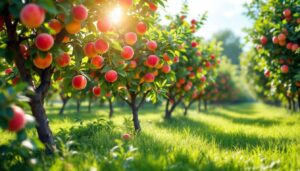
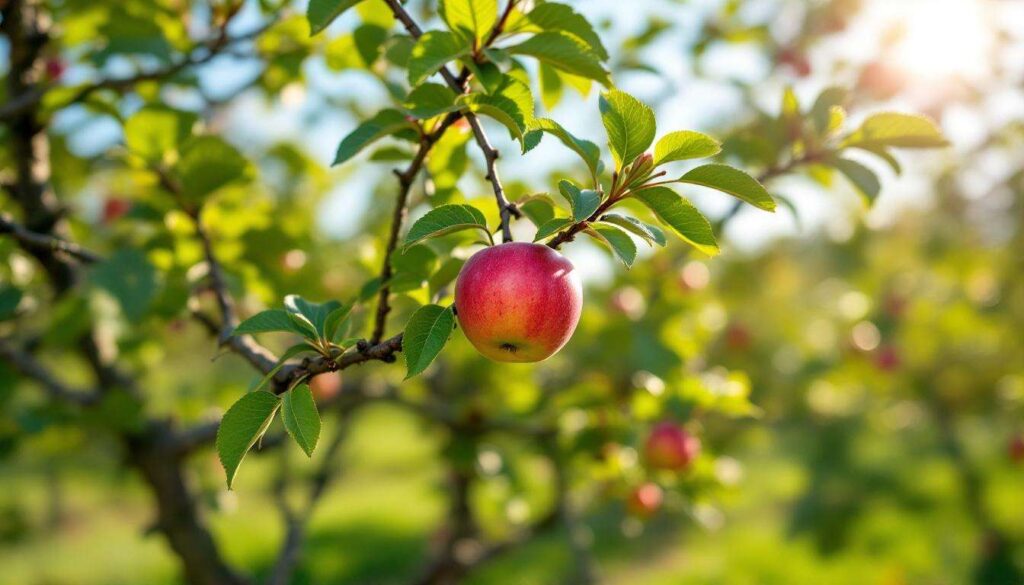
Fruit trees require careful maintenance to ensure healthy growth and abundant harvests. Among the essential practices for apple and cherry trees, proper pruning combined with preventive treatments forms the foundation of effective orchard management. Applying Bordeaux mixture immediately after pruning creates a protective barrier against fungal pathogens that threaten tree health during vulnerable periods. This copper-based fungicide has protected orchards for over a century, offering reliable disease prevention when applied correctly. March represents the optimal window for this combined approach, as dormant trees respond well to pruning while environmental conditions favor effective treatment application.
Understanding the importance of pruning apple and cherry trees in March
Why March is the ideal pruning window
March offers unique advantages for pruning deciduous fruit trees. Late winter pruning allows gardeners to work with dormant trees before sap begins flowing vigorously. The absence of leaves provides clear visibility of branch structure, making it easier to identify diseased, damaged, or crossing branches that require removal. Temperatures remain cool enough to minimize stress on trees while avoiding the harshest winter conditions that could damage fresh cuts.
Pruning during this period also reduces the risk of transmitting diseases through cutting tools. Many fungal spores remain inactive in cold temperatures, and insect vectors that spread pathogens have not yet emerged. This timing creates a safer environment for making necessary cuts without inadvertently introducing infections.
Key objectives of fruit tree pruning
Effective pruning serves multiple purposes beyond simple size control:
- Removing dead, diseased, or damaged wood that harbors pathogens
- Improving air circulation throughout the canopy to reduce humidity
- Allowing sunlight penetration to all fruiting branches
- Shaping the tree structure for easier harvesting and maintenance
- Stimulating new growth and fruit production on healthy wood
Strategic pruning creates an open center or modified leader form that exposes branches to sunlight and airflow. This architectural approach directly impacts disease resistance, as fungal pathogens thrive in dark, humid environments created by dense foliage.
These structural improvements set the stage for protective treatments that safeguard the wounds created during pruning.
Why use Bordeaux mixture after pruning
The vulnerability of fresh pruning cuts
Pruning wounds represent entry points for fungal infections that can compromise tree health. When branches are removed, exposed cambium tissue lacks the protective bark layer that normally shields internal structures. Pathogens exploit these openings during periods of moisture, establishing infections that may spread throughout the tree if left unprotected.
Apple and cherry trees face specific threats from fungal diseases that target wounded tissue. Canker diseases, caused by various fungal species, colonize pruning cuts and create sunken, diseased areas that girdle branches. Silver leaf disease particularly affects cherry trees through wound infection, causing progressive decline that can prove fatal.
How Bordeaux mixture provides protection
Bordeaux mixture contains copper sulfate and hydrated lime, creating a protective fungicidal barrier on treated surfaces. The copper ions interfere with fungal spore germination and mycelial growth, preventing pathogens from establishing infections. When applied to fresh pruning cuts, the mixture forms a physical and chemical shield that remains active for several weeks.
| Disease Type | Affected Trees | Bordeaux Mixture Effectiveness |
|---|---|---|
| Apple Scab | Apple | High prevention when applied preventively |
| Brown Rot | Cherry, Apple | Moderate to high control |
| Canker Diseases | Both species | Good wound protection |
| Bacterial Infections | Both species | Limited but some suppression |
The alkaline nature of the mixture also creates an unfavorable pH environment for many pathogens, adding another layer of protection beyond the copper’s direct fungicidal action.
Understanding the protective mechanism leads naturally to the practical aspects of preparation and application.
How to prepare and apply Bordeaux mixture
Preparing the correct concentration
Traditional Bordeaux mixture requires careful preparation to achieve the proper balance between effectiveness and plant safety. The standard dormant season formula uses a 3% concentration, which provides robust protection without risking phytotoxicity on leafless trees.
Preparation steps include:
- Dissolve 300 grams of copper sulfate in 5 liters of water in a plastic or wooden container
- In a separate container, mix 400 grams of hydrated lime with 5 liters of water
- Slowly pour the copper sulfate solution into the lime solution while stirring continuously
- Test the mixture pH using litmus paper, ensuring it remains neutral to slightly alkaline
- Add more lime if the mixture tests acidic to prevent plant damage
Commercial ready-to-use formulations offer convenience and consistent quality, eliminating the need for manual mixing while ensuring proper proportions.
Application techniques for maximum effectiveness
Proper application ensures complete coverage of vulnerable surfaces. Apply Bordeaux mixture within 24 hours after pruning for optimal protection, before fungal spores can colonize exposed tissue. Use a pump sprayer or brush to coat all pruning cuts thoroughly, allowing the mixture to cover the entire wound surface and extend slightly onto surrounding bark.
Weather conditions significantly impact application success. Choose a dry day with temperatures above 40°F and no rain forecast for at least 24 hours. This allows the mixture to adhere properly and begin forming its protective layer. Avoid application during windy conditions that may cause drift to unintended areas.
The proper application technique maximizes the disease prevention benefits that make this treatment so valuable.
The benefits of Bordeaux mixture against fungal diseases
Broad-spectrum fungal disease prevention
Bordeaux mixture provides protection against multiple fungal pathogens simultaneously, making it an efficient choice for orchard management. Its broad-spectrum activity covers the major diseases that threaten apple and cherry trees during the growing season. Apple scab, one of the most economically significant apple diseases, responds particularly well to preventive Bordeaux applications made during the dormant period.
For cherry trees, the mixture helps prevent brown rot infections that cause fruit decay and twig blight. By protecting pruning wounds in March, gardeners reduce the inoculum levels that would otherwise build up and cause problems during bloom and fruit development.
Long-lasting residual protection
Copper-based fungicides offer extended protection compared to many organic alternatives. A single application of Bordeaux mixture can provide protection for four to six weeks under typical spring conditions. This residual activity covers the critical period when pruning wounds begin healing and natural defense mechanisms activate.
The mixture’s durability stems from its physical adherence to treated surfaces and the stability of copper compounds. Unlike systemic fungicides that break down rapidly within plant tissues, Bordeaux mixture remains on the surface where it continues intercepting fungal spores attempting to colonize wounds.
While the benefits are substantial, proper precautions ensure safe and effective use.
Precautions to take when applying
Personal protective equipment requirements
Copper sulfate and lime can irritate skin, eyes, and respiratory passages. Always wear appropriate protective gear when mixing and applying Bordeaux mixture:
- Chemical-resistant gloves to protect hands during mixing and application
- Safety goggles or face shield to prevent eye contact
- Dust mask or respirator when handling powdered ingredients
- Long sleeves and pants to minimize skin exposure
- Boots to protect feet from spills
Wash hands thoroughly after handling the mixture, and launder contaminated clothing separately from regular laundry.
Environmental and plant safety considerations
Copper accumulation in soil represents a long-term concern with repeated applications. While occasional use for wound protection poses minimal risk, avoid excessive applications that could lead to copper buildup affecting soil microorganisms and earthworm populations. Never apply near water bodies, as copper is toxic to aquatic life even in small concentrations.
Respect the dormant season application window strictly. Applying Bordeaux mixture to actively growing foliage can cause phytotoxicity, resulting in leaf burn and fruit russeting. The 3% concentration safe for dormant trees would damage tender spring growth.
Store unused mixture properly in labeled containers away from children and pets. The mixture degrades over time, so prepare only the amount needed for immediate use.
These safety measures integrate seamlessly into a comprehensive treatment schedule.
Ideal schedule for treating fruit trees
Creating an effective annual treatment program
Bordeaux mixture application after March pruning forms part of a holistic disease management strategy that extends throughout the growing season. The dormant season application provides foundational protection, but additional treatments at key phenological stages enhance disease control.
Recommended treatment timeline:
- Late winter pruning followed immediately by 3% Bordeaux mixture application
- Green tip stage application at reduced concentration as buds begin swelling
- Pre-bloom treatment before flowers open to protect against blossom infections
- Petal fall application to prevent early fruit infections
- Additional applications spaced according to disease pressure and weather conditions
Monitoring and adjusting the schedule
Disease pressure varies annually based on weather patterns and regional pathogen populations. Wet springs with frequent rainfall create conditions favoring fungal diseases, warranting more intensive treatment schedules. Conversely, dry seasons may require fewer applications.
Keep records of treatments, weather conditions, and observed disease incidence. This documentation helps refine future schedules based on actual orchard performance. Integrated pest management principles suggest combining Bordeaux mixture with cultural practices like sanitation, resistant varieties, and proper spacing for comprehensive disease control.
Protecting apple and cherry trees from fungal diseases begins with proper March pruning followed by timely Bordeaux mixture application. This copper-based fungicide shields vulnerable pruning wounds during the critical healing period, preventing pathogen establishment that could compromise tree health. The broad-spectrum protection, extended residual activity, and proven effectiveness make Bordeaux mixture a valuable tool for organic and conventional orchardists alike. Success requires careful preparation, thorough application, appropriate safety precautions, and integration into a comprehensive seasonal treatment program. By combining sound pruning practices with protective fungicide applications, gardeners establish the foundation for healthy, productive fruit trees that resist common diseases throughout the growing season.