

Gardeners constantly search for plants that deliver maximum visual impact with minimal effort. Among the most sought-after specimens are climbing plants that combine vigorous growth, spectacular flowering, and forgiving care requirements. One particular variety stands out from the crowded field of ornamental vines: the mandevilla, also known as rocktrumpet. This tropical beauty has earned its reputation as the perfect climbing companion for both experienced horticulturists and weekend gardeners alike, offering a reliable performance that transforms vertical spaces into living tapestries of color.
Introduction to the ideal climbing plant
Meet the mandevilla: nature’s perfect climber
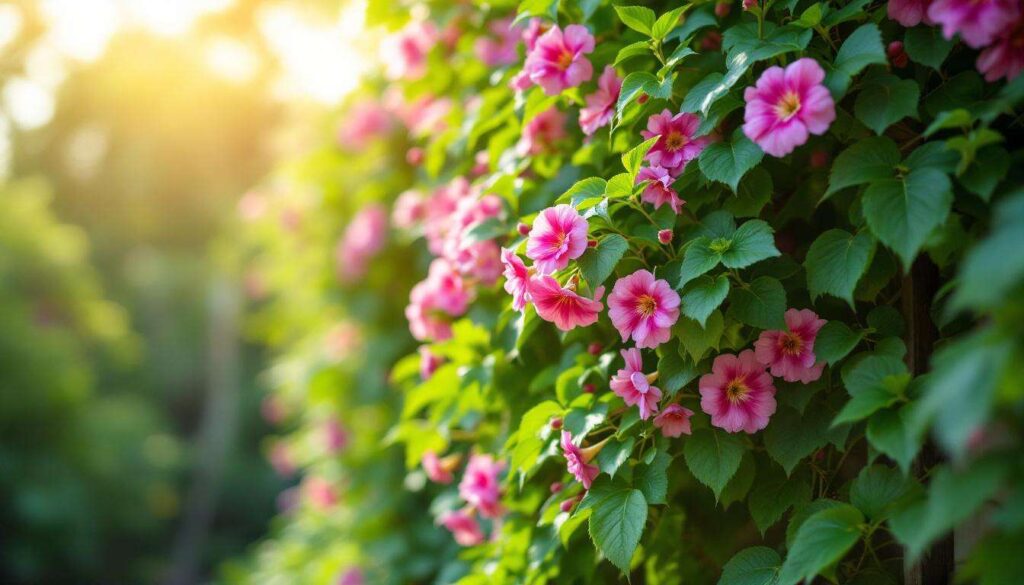
The mandevilla represents everything gardeners desire in a climbing plant. Native to Central and South America, this vigorous vine belongs to the Apocynaceae family and produces trumpet-shaped flowers that appear in abundance throughout the growing season. The plant’s glossy, dark green foliage provides an elegant backdrop for blooms that range from pure white to deep crimson, with countless pink and red variations in between.
What sets mandevilla apart from other climbing plants includes:
- Growth rates reaching up to 10 feet in a single season
- Continuous flowering from spring through fall
- Minimal pruning and maintenance requirements
- Exceptional heat and humidity tolerance
- Versatility in both container and ground planting
Why mandevilla outperforms traditional climbers
Unlike clematis that demands specific pruning schedules or wisteria that requires years to establish, mandevilla delivers immediate gratification. The plant begins blooming within weeks of planting and maintains its floral display without the extensive care protocols demanded by other ornamental vines. Its self-twining habit means it naturally wraps around supports without requiring constant training or tying, making it an exceptionally low-maintenance choice for vertical gardening projects.
Understanding the plant’s exceptional characteristics naturally leads to examining what makes its growth so remarkably rapid.
Characteristics of rapid growth
Explosive vertical expansion
Mandevilla exhibits growth patterns that impress even seasoned gardeners. Under optimal conditions, new shoots can extend several inches per week during peak growing season. This vigorous growth stems from the plant’s tropical origins, where competition for sunlight drives rapid vertical development. The vine produces new growth from multiple points along its stems, creating a full, lush appearance within a single season.
| Growth Parameter | Measurement |
|---|---|
| Average weekly growth | 3-6 inches |
| Seasonal height gain | 6-10 feet |
| Time to first bloom | 6-8 weeks from planting |
| Mature height potential | 15-20 feet |
Factors influencing growth speed
Several environmental conditions maximize mandevilla’s already impressive growth rate. Temperature plays a crucial role, with the plant thriving in warm conditions between 70-85°F. Adequate sunlight exposure of at least six hours daily fuels photosynthesis and promotes vigorous stem elongation. Well-draining soil enriched with organic matter provides the nutritional foundation for sustained growth.
The plant’s root system develops rapidly alongside its above-ground growth, establishing a strong foundation that supports extensive vertical expansion. This balanced development between roots and shoots ensures stability even as the vine reaches impressive heights. Regular watering during establishment accelerates growth, though mature plants demonstrate surprising drought tolerance once established.
This remarkable growth rate provides the framework for the plant’s most celebrated feature: its extraordinary flowering capacity.
Continuous blooming: a burst of colors
Non-stop floral production
The mandevilla’s flowering performance distinguishes it from virtually all other climbing plants. Unlike roses that bloom in distinct flushes or morning glories that fade by afternoon, mandevilla produces fresh flowers continuously from late spring until the first frost. Each bloom lasts several days, and the plant generates new buds at such a prolific rate that faded flowers are immediately replaced by fresh ones.
Individual flowers measure 2-4 inches across, creating substantial visual impact. The trumpet-shaped blooms emerge from glossy buds and open to reveal five overlapping petals arranged in a pinwheel pattern. This consistent flowering occurs without deadheading or specialized care, making the plant exceptionally rewarding for time-constrained gardeners.
Color variations and cultivar options
Modern breeding programs have expanded the mandevilla color palette significantly. Popular varieties include:
- Mandevilla ‘Alice du Pont’: classic pink blooms with yellow throats
- Mandevilla ‘Sun Parasol Crimson’: deep red flowers with exceptional heat tolerance
- Mandevilla ‘Summervillea White’: pure white blooms for elegant displays
- Mandevilla ‘Red Riding Hood’: compact variety with intense scarlet flowers
- Mandevilla ‘Bella Grande’: oversized pink blooms reaching 5 inches across
The flowers attract hummingbirds and butterflies, adding animated interest to gardens. Most varieties emit a subtle, pleasant fragrance that intensifies during warm afternoons, though the scent remains delicate rather than overwhelming.
While the spectacular blooms capture attention, the plant’s undemanding nature truly seals its reputation as a gardener’s ideal choice.
Minimal maintenance: a gardener’s dream
Simplified care requirements
Mandevilla thrives with remarkably little intervention. The plant’s drought tolerance once established means occasional deep watering suffices rather than daily attention. It naturally resists most common garden pests, eliminating the need for regular pesticide applications. The self-cleaning flowers drop cleanly when spent, removing the tedious deadheading task required by many flowering plants.
Fertilization needs remain modest. A balanced, slow-release fertilizer applied monthly during the growing season provides adequate nutrition. Alternatively, liquid fertilizer diluted to half-strength every two weeks maintains vigorous growth and flowering. The plant tolerates slight nutritional deficiencies without significant performance decline, making it forgiving of occasional neglect.
Pruning and shaping simplicity
Unlike clematis or climbing roses that demand specific pruning techniques, mandevilla requires minimal trimming. Light pruning to control size or shape can occur anytime during the growing season without affecting bloom production. The plant flowers on new growth, so even aggressive pruning results in renewed flowering within weeks. Simply removing wayward stems or cutting back overgrown sections maintains desired proportions without complicated protocols.
| Maintenance Task | Frequency |
|---|---|
| Watering (established plants) | Weekly or when soil dries |
| Fertilizing | Monthly |
| Pruning | As needed for shape |
| Pest control | Rarely necessary |
| Deadheading | Not required |
This exceptional ease of care opens numerous possibilities for incorporating mandevilla into diverse landscape designs.
Uses and landscaping ideas
Vertical accent applications
Mandevilla excels in situations where vertical interest enhances landscape design. Training the vine up decorative trellises creates living privacy screens that bloom continuously. Arbors and pergolas draped with flowering mandevilla transform ordinary garden structures into spectacular focal points. The plant readily climbs mailbox posts, lamp posts, and porch columns, adding color to utilitarian features.
Container cultivation expands placement options significantly. Large pots with obelisk supports allow mandevilla to grace patios, decks, and balconies where ground planting isn’t possible. This flexibility makes the plant valuable for renters and urban gardeners with limited growing space.
Creative landscape combinations
Strategic pairing with complementary plants amplifies visual impact:
- Underplant with shade-tolerant coleus for contrasting foliage textures
- Combine with ornamental grasses that echo the vertical growth habit
- Layer with annual vinca or calibrachoa for ground-level color continuity
- Pair with silver-foliaged plants like dusty miller to highlight bloom colors
- Integrate with tropical cannas and elephant ears for bold, exotic compositions
The vine also functions effectively as a seasonal replacement for perennial climbers during their dormant periods, maintaining year-round interest in climbing plant displays.
Achieving these diverse applications successfully requires understanding proper installation and ongoing care techniques.
Tips for installation and maintenance
Optimal planting conditions
Success begins with proper site selection and soil preparation. Choose locations receiving full sun to partial shade, with minimum six hours of direct sunlight daily for best flowering. Ensure excellent drainage, as mandevilla tolerates dry conditions far better than waterlogged soil. Amend heavy clay soils with compost and coarse sand to improve drainage and aeration.
When planting, dig holes twice the width of the root ball and slightly shallower than its depth. Position the plant so the root crown sits level with the surrounding soil surface. Backfill with amended soil, water thoroughly, and apply a 2-3 inch mulch layer to conserve moisture and regulate soil temperature.
Support structures and training
Provide sturdy support from the outset. Suitable structures include:
- Wooden or metal trellises anchored firmly in the ground
- Wire grids attached to walls or fences
- Decorative obelisks for container plantings
- Existing arbors, pergolas, or gazebos
- Natural supports like tree trunks or large shrubs
Guide young stems toward supports initially, wrapping them gently around the structure. Once established, the plant’s natural twining habit takes over, requiring minimal additional training. For bushier growth, pinch stem tips during early development to encourage lateral branching.
Seasonal considerations and overwintering
In frost-free climates, mandevilla grows as a perennial requiring minimal winter care. Where freezing temperatures occur, treat the plant as an annual or bring containerized specimens indoors before the first frost. Indoor overwintering requires a cool, bright location with reduced watering. The plant typically enters dormancy, dropping some leaves before resuming growth in spring.
Alternatively, take cuttings in late summer to propagate new plants for the following season. Stem cuttings root readily in moist potting mix, providing an economical method for maintaining favorite varieties year after year.
Mandevilla delivers everything gardeners seek in a climbing plant: explosive growth that quickly fills vertical spaces, continuous flowering that provides months of color, and minimal care requirements that free time for other garden pursuits. Its versatility in both landscape and container applications makes it suitable for diverse garden styles and growing conditions. Whether adorning a cottage garden trellis, screening an urban balcony, or adding tropical flair to a poolside setting, this exceptional vine performs reliably with remarkably little effort. For gardeners seeking maximum impact with minimum input, mandevilla represents an ideal choice that consistently exceeds expectations season after season.