



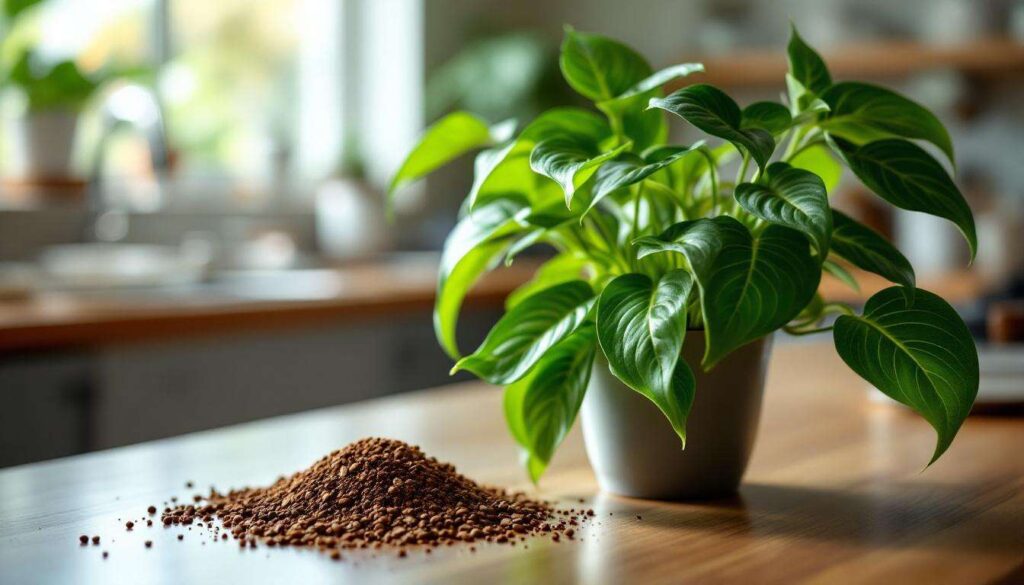
Houseplant enthusiasts are constantly seeking affordable and sustainable ways to keep their green companions thriving. Among the countless tips circulating online, one stands out for its simplicity and accessibility: using coffee grounds as a natural fertilizer for pothos plants. This common kitchen waste product has gained popularity as a cost-effective soil amendment that promises to deliver essential nutrients while reducing household waste. But does this DIY approach truly benefit your pothos, or could it potentially harm your beloved vine ? Understanding the science behind coffee grounds and their application can help you make informed decisions about incorporating this organic material into your plant care routine.
Why use coffee grounds for your pothos ?
Coffee grounds offer several compelling advantages as a natural fertilizer option for pothos plants. These plants, known scientifically as Epipremnum aureum, thrive in nutrient-rich environments that support their vigorous growth patterns.
Nutrient composition of coffee grounds
Used coffee grounds contain valuable nutrients that plants need for healthy development. The primary components include:
- Nitrogen: approximately 2% by volume, essential for leaf growth and vibrant green coloration
- Phosphorus: supports root development and overall plant strength
- Potassium: aids in water regulation and disease resistance
- Trace minerals: including magnesium, copper, and calcium
| Nutrient | Percentage in coffee grounds | Benefit for pothos |
|---|---|---|
| Nitrogen | 2.0% | Foliage growth |
| Phosphorus | 0.3% | Root strength |
| Potassium | 0.6% | Disease resistance |
Environmental and economic benefits
Beyond nutritional value, coffee grounds represent a sustainable gardening practice that aligns with eco-conscious living. Rather than discarding this organic waste, repurposing it for your pothos reduces landfill contributions while eliminating the need to purchase commercial fertilizers. This approach saves money and minimizes exposure to synthetic chemicals that may harm beneficial soil organisms.
Understanding these foundational benefits sets the stage for learning the proper techniques to transform your morning coffee ritual into a plant-feeding opportunity.
How to prepare coffee grounds as fertilizer
Proper preparation of coffee grounds ensures your pothos receives maximum benefits without encountering potential problems associated with improper application.
Drying and storing coffee grounds
Fresh coffee grounds retain significant moisture that can promote mold growth and create anaerobic conditions in soil. Follow these steps for optimal preparation:
- Spread used grounds thinly on a baking sheet or newspaper
- Allow them to air dry completely for 24 to 48 hours
- Store dried grounds in an airtight container to prevent moisture absorption
- Label containers with collection dates to track freshness
Application methods for pothos
Several effective techniques exist for incorporating coffee grounds into your pothos care regimen. The top-dressing method involves sprinkling a thin layer of dried grounds on the soil surface, then gently working them into the top inch of soil with your fingers. Alternatively, you can create a liquid fertilizer by steeping two cups of grounds in five gallons of water for 24 hours, then straining and using the resulting tea to water your plant.
For container-grown pothos, mixing dried grounds directly into potting soil during repotting provides long-term nutrient release. Use a ratio of one part coffee grounds to four parts potting mix to avoid overwhelming the growing medium.
With preparation techniques mastered, examining the specific advantages coffee grounds provide reveals why this practice has gained such widespread adoption among plant enthusiasts.
Benefits of coffee grounds on pothos growth
The positive effects of coffee grounds extend beyond simple nutrient delivery, influencing multiple aspects of pothos health and vigor.
Enhanced soil structure and drainage
Coffee grounds improve soil texture by increasing organic matter content. This amendment creates a more porous growing medium that allows excess water to drain efficiently while retaining adequate moisture for root uptake. The improved aeration prevents waterlogged conditions that commonly lead to root rot in pothos plants.
Microbial activity stimulation
Beneficial microorganisms in soil thrive when coffee grounds are present. These decomposer organisms break down organic matter, releasing nutrients in forms that plant roots can readily absorb. The increased microbial population also helps suppress harmful pathogens that might otherwise attack your pothos.
Visible growth improvements
Gardeners who consistently use coffee grounds report noticeable changes in their pothos plants:
- Deeper green leaf coloration indicating healthy chlorophyll production
- Increased vine length and more frequent leaf emergence
- Stronger, more resilient stems that support larger foliage
- Enhanced variegation patterns in cultivars with decorative markings
While these benefits make coffee grounds appealing, responsible use requires awareness of potential risks and how to mitigate them effectively.
Precautions to take with coffee grounds
Despite their advantages, coffee grounds require careful application to avoid creating problems that could compromise your pothos health.
Acidity concerns and pH monitoring
Coffee grounds are slightly acidic, with a pH typically ranging from 6.2 to 6.8. While pothos tolerates a wide pH range, excessive accumulation of grounds can gradually lower soil pH beyond optimal levels. Test your soil pH every few months using an inexpensive testing kit, and discontinue coffee ground applications if readings drop below 6.0.
Avoiding excessive application
Moderation proves essential when using any organic amendment. Overapplication of coffee grounds creates several issues:
- Nitrogen lock: excessive grounds can temporarily immobilize nitrogen during decomposition
- Water repellency: thick layers of grounds may prevent proper moisture penetration
- Mold development: damp, compacted grounds provide ideal conditions for fungal growth
- Salt accumulation: coffee contains salts that can build up with repeated heavy applications
Monitoring plant response
Observe your pothos carefully after introducing coffee grounds. Warning signs of problems include yellowing leaves, stunted growth, or wilting despite adequate watering. If these symptoms appear, flush the soil thoroughly with water and suspend coffee ground applications for several weeks.
Recognizing that coffee grounds represent just one option among many natural fertilizers broadens your toolkit for maintaining healthy pothos plants.
Natural alternatives to coffee grounds
Diversifying your fertilization approach prevents nutrient imbalances and allows you to tailor feeding strategies to your pothos specific needs.
Compost and worm castings
Well-aged compost provides a balanced nutrient profile superior to coffee grounds alone. Worm castings offer concentrated nutrition in a gentle form that rarely causes burning even when applied generously. Both amendments improve soil structure while delivering essential macro and micronutrients.
Banana peel fertilizer
Banana peels contain high levels of potassium, complementing the nitrogen-rich nature of coffee grounds. Chop peels finely and bury them in soil, or create a liquid fertilizer by soaking peels in water for several days. This combination addresses multiple nutritional requirements simultaneously.
Eggshell powder
Crushed eggshells supply calcium while slowly raising soil pH, counteracting the acidifying effect of coffee grounds. Rinse shells thoroughly, dry them completely, then pulverize them in a blender or mortar before sprinkling around your pothos.
| Alternative fertilizer | Primary nutrient | Application frequency |
|---|---|---|
| Compost | Balanced NPK | Monthly |
| Banana peels | Potassium | Bi-weekly |
| Eggshells | Calcium | Quarterly |
These alternatives work synergistically with coffee grounds or independently, offering flexibility based on available materials and plant requirements. Expanding beyond individual amendments to comprehensive soil enrichment strategies ensures long-term pothos vitality.
Eco-friendly tips to enrich your soil
Sustainable soil management encompasses more than adding organic amendments, requiring a holistic approach to plant care.
Creating a composting system
Establishing a home composting system transforms multiple waste streams into valuable plant food. Combine coffee grounds with fruit scraps, vegetable peelings, and yard waste to create nutrient-dense compost. This practice reduces household waste while producing superior fertilizer that benefits all your houseplants, not just pothos.
Mulching for moisture retention
Applying a thin layer of organic mulch around your pothos conserves soil moisture and moderates temperature fluctuations. Suitable mulching materials include:
- Shredded leaves from pesticide-free sources
- Coconut coir for lightweight containers
- Pine bark chips for decorative appeal
- Grass clippings in thin layers to prevent matting
Water conservation techniques
Collecting rainwater or reusing household water reduces environmental impact while providing chemical-free irrigation. Water from cooking vegetables contains dissolved nutrients that benefit pothos plants. Allow this water to cool completely before application to avoid damaging roots with excessive heat.
Integrated pest management
Healthy soil naturally suppresses many common pothos pests. Encourage beneficial insects and maintain proper watering practices to prevent stress that makes plants vulnerable to infestations. When problems arise, choose organic solutions like neem oil or insecticidal soap rather than synthetic pesticides that harm soil ecosystems.
Coffee grounds for pothos represent more than a simple fertilization hack. This practice embodies sustainable gardening principles that reduce waste, save money, and promote plant health through natural means. When applied correctly with attention to quantity and frequency, coffee grounds deliver meaningful nutritional benefits while improving soil structure. However, success requires understanding potential drawbacks such as acidity changes and the importance of moderation. Combining coffee grounds with other organic amendments creates a comprehensive feeding program that addresses diverse nutritional needs. By adopting eco-friendly soil enrichment strategies, you cultivate thriving pothos plants while minimizing environmental impact and embracing resourceful household practices that transform waste into valuable growing resources.