



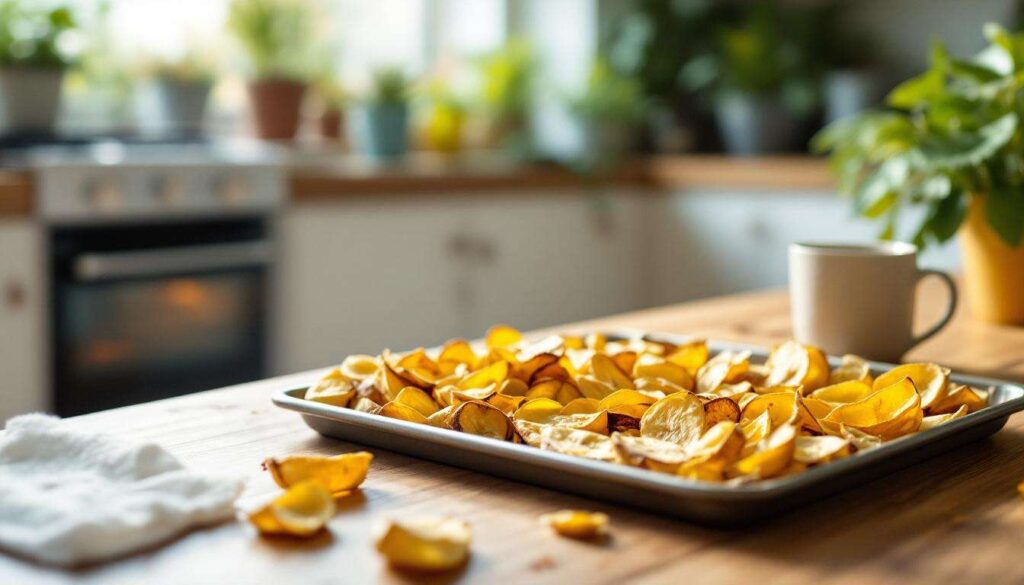
Gardeners constantly search for effective, affordable solutions to nourish their plants and improve soil quality. The answer might be hiding in your kitchen trash. Banana peels, often discarded without a second thought, contain valuable nutrients that plants desperately need. By drying these peels in the oven and transforming them into a homemade fertilizer, you can eliminate the need for expensive commercial products while reducing household waste. This simple technique has proven so effective that many gardeners have completely abandoned store-bought fertilizers, saving money and embracing a more sustainable approach to cultivation.
Use of banana peels as natural fertilizer
Banana peels represent an exceptional source of essential nutrients for plant growth. These kitchen scraps contain potassium, phosphorus, calcium, and magnesium in concentrations that rival many commercial fertilizers. When properly prepared, they release these minerals gradually into the soil, providing sustained nourishment for vegetables, flowers, and houseplants alike.
Nutritional composition of banana peels
The mineral profile of banana peels makes them particularly valuable for gardening applications. Understanding their composition helps explain why they work so effectively as a fertilizer replacement.
| Nutrient | Approximate percentage | Primary benefit |
|---|---|---|
| Potassium | 42% | Fruit development and disease resistance |
| Phosphorus | 0.5% | Root growth and flowering |
| Calcium | 0.8% | Cell wall strength |
| Magnesium | 0.7% | Chlorophyll production |
Plants that benefit most from banana peel fertilizer
While nearly all plants appreciate the nutrients found in banana peels, certain varieties show particularly dramatic improvements when fed this natural fertilizer. Tomatoes, peppers, and roses respond exceptionally well to the potassium boost, producing more vibrant blooms and abundant fruit. Leafy greens benefit from the magnesium content, developing deeper green coloration and enhanced flavor profiles.
- Flowering plants: roses, orchids, African violets
- Fruiting vegetables: tomatoes, peppers, eggplants, cucumbers
- Root vegetables: carrots, radishes, beets
- Houseplants: pothos, ferns, succulents
- Berry bushes: strawberries, blueberries, raspberries
The versatility of this fertilizer extends beyond outdoor gardens, making it equally valuable for indoor plant enthusiasts seeking organic nutrition solutions. This nutritional foundation sets the stage for understanding the proper preparation method.
Preparation of banana peels: oven drying
The drying process transforms banana peels from perishable waste into a shelf-stable fertilizer that can be stored and used throughout the growing season. Oven drying concentrates the nutrients while eliminating moisture that would otherwise cause decomposition and mold growth.
Step-by-step drying instructions
Proper preparation ensures maximum nutrient retention and creates a product that’s easy to handle and apply. The process requires minimal equipment and can be completed in a few hours.
- Rinse banana peels thoroughly to remove any pesticide residue or dirt
- Pat the peels dry with a clean towel to remove excess moisture
- Cut peels into smaller strips, approximately one inch wide, for faster drying
- Arrange pieces in a single layer on a baking sheet lined with parchment paper
- Set oven temperature to 200°F (93°C) to preserve nutrients
- Bake for 2-3 hours, checking periodically for complete dryness
- Allow cooled peels to become completely brittle before storage
Processing dried peels into usable fertilizer
Once the banana peels reach a crispy, brittle state, they need further processing before application. A coffee grinder, food processor, or mortar and pestle can reduce the dried peels to a fine powder. This powder form offers several advantages: it mixes easily into potting soil, dissolves more readily when making liquid fertilizer, and allows for precise measurement when feeding plants. Store the powdered fertilizer in an airtight container away from moisture to maintain its effectiveness for months.
Understanding how to apply this prepared fertilizer requires knowledge of its effects on soil composition.
Benefits of banana peels for the soil
The introduction of banana peel fertilizer creates measurable improvements in soil structure and fertility. Beyond simply adding nutrients, this organic amendment enhances the living ecosystem within the soil, promoting beneficial microbial activity and improving overall plant health.
Soil structure enhancement
As banana peel powder decomposes, it contributes organic matter that improves soil texture. Clay soils become more friable and better draining, while sandy soils gain improved water retention capacity. The decomposition process also creates channels and spaces within the soil matrix, allowing roots to penetrate more easily and access oxygen more efficiently.
Microbial activity stimulation
The organic compounds in banana peels serve as food for beneficial soil bacteria and fungi. These microorganisms break down the peel material, releasing nutrients in forms that plant roots can absorb. This biological activity creates a healthier soil ecosystem that naturally suppresses certain plant diseases and improves nutrient cycling.
| Soil improvement | Timeframe | Observable result |
|---|---|---|
| pH balance | 2-4 weeks | Slight pH increase in acidic soils |
| Nutrient availability | 1-2 weeks | Enhanced leaf color and growth rate |
| Water retention | 4-6 weeks | Reduced watering frequency needed |
| Microbial population | 3-5 weeks | Improved soil smell and texture |
These soil improvements translate directly into financial and environmental advantages for gardeners.
Economy and ecology: sustainable gardening
The decision to replace commercial fertilizers with banana peel powder generates substantial cost savings while reducing environmental impact. A typical household discards enough banana peels annually to supply fertilizer for a medium-sized garden, eliminating recurring fertilizer expenses completely.
Financial savings analysis
Commercial organic fertilizers typically cost between $15 and $30 for a bag that lasts one growing season for a modest garden. Over two years, this represents $30 to $60 in expenses. By contrast, banana peels cost nothing beyond the minimal electricity used for oven drying. The return on investment becomes even more impressive when considering that most households already purchase bananas regularly, making the peels a truly free resource.
Environmental impact reduction
Manufacturing commercial fertilizers requires significant energy input and often involves mining operations that damage ecosystems. Transportation of these products from factories to retail locations generates carbon emissions and packaging waste. By utilizing banana peels, gardeners eliminate their contribution to these environmental costs while simultaneously diverting organic waste from landfills, where it would otherwise decompose and release methane, a potent greenhouse gas.
- Zero packaging waste compared to bagged fertilizers
- No transportation emissions from product delivery
- Reduced landfill methane production
- Elimination of synthetic chemical runoff into waterways
- Support for circular economy principles
Maximizing these benefits requires understanding the most effective application methods.
Tips for optimizing the use of this homemade fertilizer
Strategic application of banana peel fertilizer ensures plants receive optimal nutrition without waste or nutrient imbalances. Different plants and growth stages require varying amounts and application frequencies.
Application methods and dosing
The powdered form allows for multiple application techniques. For potted plants, mix one teaspoon of powder into the top inch of soil monthly during the growing season. Garden beds benefit from broadcasting two tablespoons per square foot and lightly incorporating it into the soil. Creating a liquid fertilizer tea by steeping two tablespoons of powder in one gallon of water for 24 hours provides an immediate nutrient boost for stressed or newly transplanted plants.
Timing and frequency guidelines
Apply banana peel fertilizer at the beginning of the growing season to establish a nutrient foundation, then supplement monthly during active growth periods. Reduce applications as plants approach dormancy in fall. Flowering plants benefit from an extra application just before bloom initiation to support flower development.
Combination with other organic amendments
While banana peels provide excellent potassium and trace minerals, they lack sufficient nitrogen for complete plant nutrition. Combining them with nitrogen-rich materials creates a more balanced fertilizer program.
- Coffee grounds: add nitrogen and improve soil acidity
- Eggshells: contribute additional calcium for stronger cell walls
- Compost: provide complete nutrient spectrum and beneficial organisms
- Wood ash: supplement potassium and raise soil pH if needed
Gardeners who embrace banana peel fertilizer discover a practical solution that addresses multiple concerns simultaneously. The elimination of fertilizer purchases frees up gardening budgets for seeds, tools, or other improvements while reducing household waste and environmental impact. The simple process of collecting, drying, and grinding banana peels transforms a disposal problem into a valuable resource. Plants respond with vigorous growth, abundant blooms, and improved resistance to stress. This approach demonstrates that effective gardening doesn’t require expensive inputs or complicated techniques. By recognizing the value in materials typically discarded, anyone can cultivate healthier plants, save money, and contribute to a more sustainable relationship with the environment.