



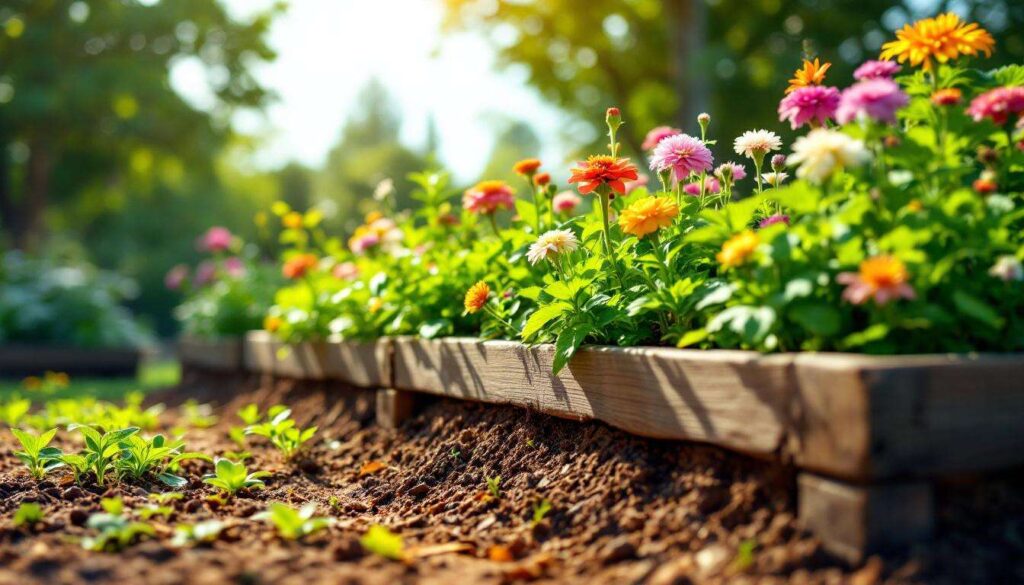
Gardeners constantly seek innovative methods to protect their plants from harsh weather conditions while improving soil quality. One ancient technique gaining renewed attention involves burying wood beneath garden beds, creating a natural system that regulates temperature and moisture. This practice, known as hugelkultur, transforms decomposing wood into a powerful ally for year-round gardening success.
Introduction to the technique of burying wood
Origins and principles of hugelkultur
The practice of burying wood under garden beds originates from Central European forestry traditions, where farmers observed how fallen logs created fertile growing zones in forests. This technique mimics natural decomposition processes, where wood gradually breaks down and releases nutrients while creating air pockets in the soil. The buried wood acts as a sponge-like reservoir, absorbing water during wet periods and releasing it slowly during dry spells.
How the system works
When wood decomposes underground, it undergoes several transformative stages:
- Initial breakdown by fungi and bacteria creates heat through metabolic processes
- Decomposition releases carbon dioxide and nutrients into surrounding soil
- Wood fibers create channels for air circulation and root penetration
- Moisture retention increases as wood becomes more porous over time
This underground thermal mass generates consistent warmth that prevents freezing, particularly during transitional seasons when temperatures fluctuate dramatically. Understanding these fundamental principles helps gardeners appreciate why this method delivers such remarkable protection against cold weather.
Benefits of buried wood for your garden
Temperature regulation and frost prevention
The most striking advantage of buried wood is its ability to moderate soil temperature. As wood decomposes, it produces heat through microbial activity, creating a warmer microclimate that extends the growing season. This thermal buffer prevents sudden temperature drops from reaching plant roots, effectively eliminating frost damage in many cases.
Soil improvement and nutrient cycling
Beyond temperature control, buried wood offers comprehensive soil enhancement:
- Increased organic matter content improves soil structure
- Enhanced microbial diversity supports plant health
- Slow-release nutrients feed plants for years
- Improved drainage in heavy soils and water retention in sandy soils
- Carbon sequestration contributes to environmental sustainability
Economic and environmental advantages
| Benefit | Impact |
|---|---|
| Reduced watering needs | 30-50% less irrigation required |
| Lower fertilizer costs | Nutrients released over 5-20 years |
| Extended growing season | 2-4 additional weeks of production |
| Waste reduction | Repurposes yard debris and prunings |
These multifaceted benefits make buried wood an investment that pays dividends for years while supporting ecological gardening practices. The question then becomes selecting appropriate materials to maximize these advantages.
How to choose the right type of wood
Best wood species for burial
Not all wood types perform equally underground. Hardwoods generally outperform softwoods due to their density and slower decomposition rates. Ideal choices include:
- Oak, maple, and ash for long-lasting heat generation
- Fruit tree prunings for nutrient-rich decomposition
- Poplar and willow for faster initial breakdown
- Mixed wood combinations for balanced decomposition rates
Wood to avoid
Certain materials should be excluded from garden beds to prevent problems. Treated lumber contains chemicals that leach into soil and harm plants. Black walnut releases juglone, a compound toxic to many vegetables. Fresh pine and cedar contain resins that temporarily inhibit plant growth, though they can be used if aged for several months first.
Size and condition considerations
Wood diameter affects decomposition speed and heat production. Logs between 4 and 12 inches in diameter provide the optimal balance between longevity and microbial activity. Partially rotted wood jumpstarts the process, while fresh wood provides longer-term benefits. Mixing various sizes and decay stages creates a staggered nutrient release system.
Proper wood selection sets the foundation for success, but the technique’s effectiveness depends equally on how it manages essential resources.
Saving water and retaining heat
Moisture management mechanisms
Buried wood functions as an underground irrigation system through capillary action. As wood absorbs water during rain or irrigation, it stores moisture in its cellular structure. During dry periods, plant roots extract this stored water, reducing irrigation frequency significantly. This buffering effect prevents both waterlogging and drought stress.
Thermal mass properties
The heat-retention capabilities of buried wood operate through multiple mechanisms:
- Decomposition generates consistent low-level warmth
- Dense wood mass absorbs daytime heat and releases it at night
- Insulation from surrounding soil prevents rapid temperature changes
- Increased microbial activity in warmer soil accelerates nutrient cycling
Seasonal performance variations
| Season | Primary Benefit |
|---|---|
| Spring | Earlier soil warming for planting |
| Summer | Reduced irrigation and consistent moisture |
| Fall | Extended harvest period with frost protection |
| Winter | Root protection from freeze-thaw cycles |
These water and heat management capabilities translate into practical advantages only when wood is properly installed. The installation process requires attention to specific details.
Steps to bury wood effectively
Site preparation and excavation
Begin by selecting a location with adequate drainage to prevent waterlogging. Excavate a trench or pit 18 to 36 inches deep, depending on available wood quantity. Deeper installations provide greater thermal mass but require more material and labor. Remove any perennial weeds or roots that might compete with future plantings.
Layering technique
Proper layering maximizes decomposition efficiency and plant performance:
- Place largest logs at the bottom for long-term structure
- Add branches and smaller wood pieces to fill gaps
- Incorporate nitrogen-rich materials like grass clippings or manure
- Cover with compost or aged manure to inoculate with beneficial microbes
- Top with quality garden soil mixed with additional compost
- Water thoroughly to initiate decomposition processes
Timing and maintenance considerations
Install buried wood beds during fall or early spring when soil is workable but not frozen. Allow several weeks for initial settling before planting. The first year may show nitrogen depletion as microbes consume this element during decomposition. Counter this by adding extra nitrogen fertilizer or planting nitrogen-fixing legumes. Beds typically reach peak performance in the second or third year.
Following these installation guidelines sets the stage for remarkable transformations that become apparent over time.
Unexpected results and long-term benefits
Immediate observations
Gardeners typically notice frost resistance within the first season, with plants surviving temperatures that would normally cause damage. Soil remains workable longer into fall and thaws earlier in spring. Watering requirements decrease noticeably, even during summer heat waves.
Multi-year performance improvements
As buried wood matures, benefits compound over time. Soil structure becomes increasingly friable and rich in organic matter. Earthworm populations explode, further enhancing soil quality. Plant vigor increases as root systems access the nutrient reservoir. Some beds remain productive for 20 years or more without additional amendments beyond surface mulching.
Broader ecosystem impacts
Beyond direct gardening benefits, buried wood systems support beneficial organisms including mycorrhizal fungi networks that connect plants and facilitate nutrient exchange. These beds often show increased resistance to pests and diseases due to improved plant health and diverse soil biology.
The combination of frost protection, water conservation, and soil enrichment makes buried wood an invaluable technique for gardeners seeking sustainable, low-maintenance solutions. This ancient practice addresses modern challenges of climate variability and resource conservation while producing abundant harvests. By investing time in proper installation and wood selection, gardeners create self-sustaining systems that improve continuously, transforming ordinary garden beds into highly productive growing zones that thrive regardless of weather extremes.