
Gardens have long been valued for their aesthetic appeal and fresh produce, but a growing number of cultivators are turning their attention to a category of plants that offers both beauty and utility. Edible flowers, once relegated to the margins of horticultural interest, are experiencing a renaissance as gardeners discover their multifaceted benefits. From vibrant nasturtiums to delicate violas, these botanical treasures are transforming vegetable patches into spaces where ornamental charm meets practical nourishment.
The subtle splendor of edible flowers
A visual feast in the garden
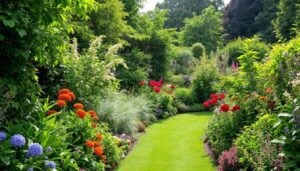
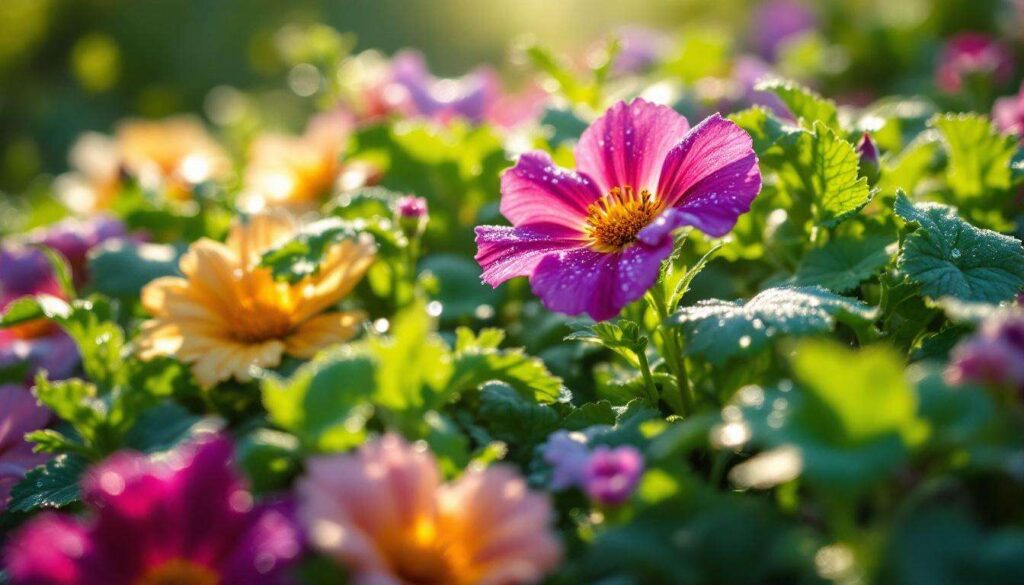
Edible flowers bring an unmatched dimension of color and texture to any growing space. Unlike conventional vegetables that prioritize productivity over appearance, these plants offer a dual purpose that satisfies both the eye and the palate. Their petals range from the fiery oranges of calendula to the deep purples of pansies, creating a living palette that changes with the seasons.
Varieties that stand out
Several species have emerged as favorites among those who appreciate both form and function. The following varieties demonstrate particular appeal:
- Nasturtiums with their peppery leaves and brilliant blooms
- Borage featuring star-shaped flowers in striking blue
- Marigolds offering golden petals with a citrus undertone
- Violets providing delicate sweetness and royal hues
- Daylilies presenting substantial blooms with crisp texture
Each variety contributes its own distinctive character to the garden landscape while maintaining edible properties that extend their value beyond mere decoration.
Integration with traditional crops
The strategic placement of flowering edibles among vegetables creates a synergistic environment that benefits the entire garden ecosystem. Pollinators attracted to the blooms improve fruit set on neighboring crops, while the varied heights and growth patterns add structural interest to otherwise uniform rows of greens and roots.
Beyond their visual contributions, these plants are proving their worth in areas that directly impact human health and wellness.
The forgotten health benefits
Nutritional density in petals
Scientific analysis has revealed that many edible flowers contain significant concentrations of vitamins, minerals, and antioxidants. Nasturtium flowers, for instance, provide vitamin C levels comparable to some citrus fruits, while calendula petals contain compounds with documented anti-inflammatory properties.
| Flower | Key Nutrients | Notable Compounds |
|---|---|---|
| Nasturtium | Vitamin C, Iron | Glucosinolates |
| Calendula | Carotenoids | Flavonoids |
| Borage | Omega-6 fatty acids | Gamma-linolenic acid |
| Violet | Vitamins A and C | Rutin |
Traditional medicinal applications
Historical records indicate that numerous cultures incorporated flowering plants into their healing practices long before modern pharmaceutical development. Chamomile flowers have been used to promote relaxation and digestive comfort, while elderflowers were traditionally prepared as infusions to support respiratory health during seasonal challenges.
Contemporary research findings
Recent studies have begun validating some of these traditional uses through controlled scientific investigation. Researchers have identified specific bioactive compounds in edible flowers that demonstrate potential benefits ranging from antioxidant activity to antimicrobial properties. While more research remains necessary, the preliminary findings suggest that these plants deserve serious consideration as functional foods.
The nutritional and medicinal properties of edible flowers naturally extend into their applications in the kitchen, where creative cooks are finding innovative ways to incorporate them.
Innovative culinary uses
Beyond garnish: substantive ingredients
Professional chefs and home cooks alike are moving past the concept of flowers as mere decoration, instead treating them as legitimate ingredients with distinct flavors and textures. Nasturtium leaves and flowers add a peppery kick to salads, while squash blossoms can be stuffed and fried for a substantial appetizer.
Flavor profiles and pairings
Understanding the taste characteristics of different edible flowers allows for sophisticated culinary applications:
- Rose petals offer floral sweetness ideal for desserts and beverages
- Chive blossoms provide mild onion flavor perfect for savory dishes
- Lavender buds contribute aromatic intensity to baked goods
- Hibiscus flowers deliver tart, cranberry-like notes to drinks
- Dandelion petals bring honey-like sweetness to jellies and wines
Preservation techniques
Extending the utility of edible flowers beyond their brief blooming period requires appropriate preservation methods. Crystallizing flowers with sugar creates elegant confections for cakes and pastries. Infusing vinegars and oils captures floral essences for year-round use. Drying petals maintains their properties for teas and seasoning blends.
The practical advantages of growing edible flowers extend beyond the kitchen to encompass broader environmental considerations.
Resilient and sustainable plants
Low-maintenance cultivation
Many edible flowering species demonstrate remarkable adaptability to varied growing conditions. Calendula thrives in poor soil where other plants struggle, while nasturtiums tolerate drought conditions that would stress conventional vegetables. This resilience reduces the need for intensive inputs and constant intervention.
Ecological contributions
The environmental benefits of incorporating edible flowers into garden spaces include:
- Enhanced pollinator populations supporting broader ecosystem health
- Reduced pest pressure through companion planting effects
- Improved soil structure from diverse root systems
- Decreased water requirements compared to thirsty ornamentals
- Minimal fertilizer needs for most species
Self-seeding and perennial varieties
Certain edible flowers establish themselves as permanent garden residents, returning year after year with minimal effort. Borage readily self-seeds, creating new plants that emerge as soon as conditions permit. Perennial options like daylilies and chives provide reliable harvests for multiple seasons from a single planting.
Successfully establishing these plants requires understanding their specific cultural requirements and optimal growing strategies.
Garden growing guide
Site selection and soil preparation
Most edible flowers perform best in locations receiving full sun exposure, typically defined as six or more hours of direct sunlight daily. Well-drained soil prevents root rot and fungal issues that can compromise plant health. Amending beds with compost improves both drainage and nutrient availability without requiring synthetic fertilizers.
Planting schedules and methods
Timing varies by species and climate zone. Cool-season flowers like pansies and violas tolerate frost and can be planted in early spring or fall. Warm-season varieties including nasturtiums and marigolds require soil temperatures above 60 degrees Fahrenheit for successful germination. Direct seeding works well for hardy species, while tender plants benefit from indoor starting and transplanting after frost danger passes.
Maintenance requirements
Ongoing care for edible flower gardens includes:
- Regular deadheading to promote continuous blooming
- Moderate watering focused at soil level rather than overhead
- Organic pest management using companion plants and beneficial insects
- Harvesting flowers in morning hours when moisture content peaks
- Avoiding chemical pesticides that render blooms unsafe for consumption
Harvesting and handling
Proper harvest techniques ensure maximum quality and safety. Flowers should be picked when fully open but before peak maturity when decline begins. Gentle rinsing removes insects and debris without damaging delicate petals. Immediate use provides optimal flavor, though short-term refrigeration in sealed containers preserves freshness for several days.
The experiences of those who have embraced edible flower cultivation offer valuable insights for newcomers to this practice.
Testimonials from passionate gardeners
Transformative garden experiences
Experienced cultivators report that adding edible flowers has fundamentally changed their relationship with their growing spaces. One urban gardener notes that incorporating nasturtiums and calendula transformed a small balcony into a productive area that yields both salad ingredients and visual pleasure throughout the growing season.
Unexpected discoveries
Many growers express surprise at the versatility and productivity of these plants. A suburban gardener reports that a single borage plant provided enough flowers for continuous harvest while attracting beneficial pollinators that improved yields on adjacent tomato plants. Another cultivator discovered that viola flowers maintain their color when frozen in ice cubes, creating an elegant addition to beverages for special occasions.
Practical advice from the field
Veteran growers emphasize several key lessons learned through experience:
- Start with hardy varieties like nasturtiums before attempting more challenging species
- Plant more than initially seems necessary as harvest removes blooms continuously
- Keep detailed records of planting dates and performance for future reference
- Share surplus flowers with neighbors to build community connections
- Experiment with different culinary applications to discover personal preferences
The collective wisdom of these practitioners demonstrates that success with edible flowers requires both patience and experimentation, but the rewards justify the investment of time and attention.
The resurgence of interest in edible flowers represents more than a passing trend. These plants offer documented nutritional benefits, culinary versatility, and ecological advantages while requiring minimal resources. Their ability to thrive in diverse conditions makes them accessible to gardeners of varying experience levels. As more people recognize the practical value hidden within colorful petals, edible flowers are reclaiming their place as essential components of productive, sustainable gardens that nourish both body and spirit.