
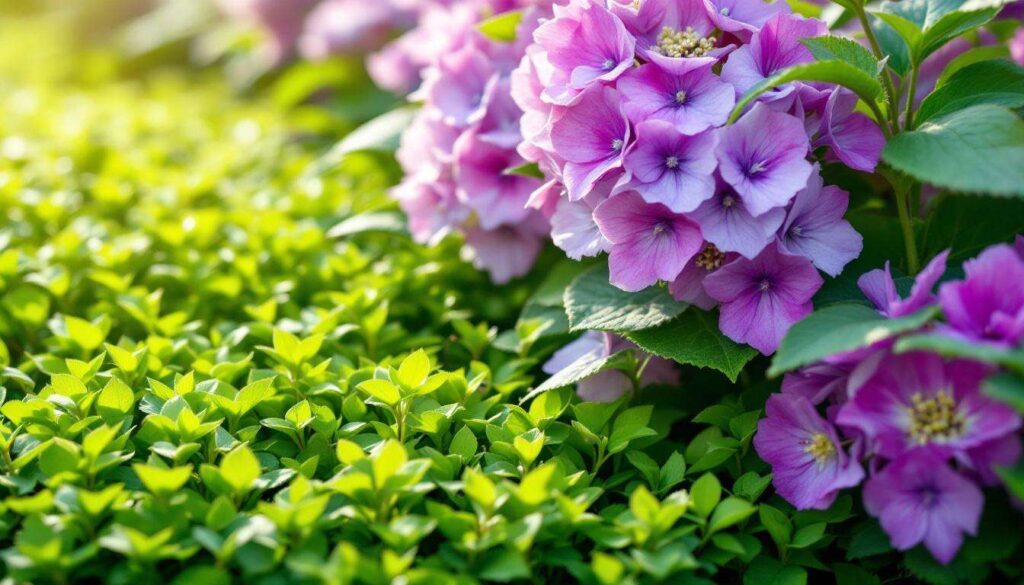
Hydrangeas stand as one of the most beloved flowering shrubs in American gardens, offering spectacular blooms and lush foliage throughout the growing season. However, these stunning plants often leave gardeners wondering what to plant at their base to create a complete, polished landscape design. The answer lies in selecting the right ground cover companion that complements the hydrangea’s needs while adding visual interest to the garden bed. Among the many options available, one classic ground cover emerges as the perfect partner for these flowering beauties, providing both practical benefits and aesthetic appeal.
Introduction to classic ground cover
Understanding hostas as the ideal companion
Hostas represent the quintessential ground cover choice for planting alongside hydrangeas, offering a perfect marriage of form and function. These perennial plants have graced American gardens for decades, earning their reputation as reliable, low-maintenance companions for a wide variety of landscape situations. Their broad, textured leaves create a living carpet that suppresses weeds while providing visual contrast to the hydrangea’s flowering stems.
The hosta family encompasses hundreds of cultivars, ranging from miniature varieties measuring just a few inches across to giant specimens that can spread several feet wide. This diversity allows gardeners to select the perfect size and color combination for their specific hydrangea planting. Most hostas thrive in similar growing conditions as hydrangeas, making them natural partners in the garden bed.
Historical significance in garden design
Hostas originated in Asia and were introduced to Western gardens in the late 18th century. Their popularity exploded during the Victorian era when shade gardening became a respected horticultural pursuit. Landscape designers quickly recognized that hostas solved a common problem: creating attractive plantings in areas where grass struggled to grow and flowering plants failed to thrive.
Understanding the relationship between hostas and hydrangeas sets the stage for exploring the specific advantages this pairing offers to modern gardeners.
The benefits of planting with hydrangeas
Complementary growing requirements
Both hostas and hydrangeas share remarkably similar cultural needs, which explains why they perform so well together. These shade-tolerant plants prefer consistent moisture, rich organic soil, and protection from intense afternoon sun. This compatibility eliminates the guesswork from garden planning and reduces maintenance demands.
Key shared requirements include:
- Partial shade to full shade exposure depending on climate zone
- Well-draining soil enriched with organic matter
- Regular watering during dry periods
- Protection from harsh winds and extreme temperature fluctuations
- Slightly acidic to neutral soil pH levels
Visual harmony and contrast
The textural interplay between hosta foliage and hydrangea blooms creates exceptional visual interest throughout the growing season. While hydrangeas provide vertical structure and colorful flowers, hostas offer horizontal spread and varied leaf patterns. This layered approach to planting adds depth and sophistication to garden beds.
| Plant Feature | Hydrangea | Hosta |
|---|---|---|
| Primary Interest | Flowers and structure | Foliage texture and color |
| Height Range | 3-8 feet | 6 inches to 3 feet |
| Bloom Period | Summer to fall | Mid to late summer |
| Foliage Season | Spring to frost | Spring to frost |
Practical advantages for garden health
Beyond aesthetics, hostas provide functional benefits that improve the overall health of hydrangea plantings. Their dense leaf canopy shades the soil surface, reducing moisture evaporation and keeping roots cool during summer heat. This living mulch effect minimizes the need for additional organic mulch applications and helps maintain consistent soil temperatures.
Hostas also suppress weed growth effectively, reducing competition for nutrients and water. Their spreading habit fills gaps in the garden bed naturally, creating a finished appearance without requiring annual replanting. These practical considerations make the hosta-hydrangea combination particularly appealing for busy gardeners seeking beautiful results with minimal intervention.
With these benefits established, the next step involves selecting specific hosta varieties that will perform best in your hydrangea planting scheme.
Identifying the best ground cover varieties
Small to medium hostas for compact spaces
For gardens with limited space or smaller hydrangea varieties, compact hosta cultivars provide the perfect scale. These varieties typically reach 12 to 18 inches in height and spread, creating a neat ground cover without overwhelming the planting area.
Recommended compact varieties include:
- ‘Blue Mouse Ears’ with thick, rounded blue-green leaves
- ‘Stiletto’ featuring narrow, lance-shaped foliage with white margins
- ‘Golden Tiara’ offering bright chartreuse leaves with dark green edges
- ‘Pandora’s Box’ displaying creamy white centers with green margins
Large hostas for dramatic impact
Substantial hosta varieties work exceptionally well with mature hydrangeas and in larger garden beds where bold statements are desired. These plants can reach 2 to 3 feet in height with similar or greater spreads, creating impressive ground coverage.
Top choices for size and impact:
- ‘Sum and Substance’ with massive chartreuse leaves that resist slug damage
- ‘Empress Wu’ recognized as one of the largest hostas available
- ‘Blue Angel’ featuring powder-blue foliage and elegant form
- ‘Sagae’ offering gray-green leaves with striking yellow margins
Color considerations for harmonious design
Selecting hosta colors that complement your hydrangea varieties enhances the overall garden composition. Blue and green hostas provide cooling contrast to pink and red hydrangea blooms, while golden and chartreuse varieties brighten shaded areas and pair beautifully with white or blue hydrangea flowers.
Variegated hostas add another dimension to the planting scheme, with white or yellow margins creating visual movement and light in darker garden corners. Consider the mature color of your hydrangea blooms when selecting hosta companions to ensure a pleasing color palette throughout the season.
Once you’ve identified the ideal hosta varieties for your situation, proper installation techniques ensure long-term success.
Tips for a successful layout
Spacing and placement strategies
Proper spacing between hostas and hydrangeas prevents overcrowding while allowing both plants to reach their full potential. As a general rule, position hostas at least 18 to 24 inches from the hydrangea’s main stem, adjusting this distance based on the mature size of both plants.
Consider these placement guidelines:
- Plant hostas in odd-numbered groups for natural appearance
- Arrange smaller varieties toward the front of the bed
- Position larger hostas to fill spaces between hydrangea specimens
- Leave adequate room for air circulation to prevent disease
- Account for the hydrangea’s mature spread when planning hosta placement
Soil preparation and planting techniques
Thorough soil preparation establishes the foundation for healthy growth in both plant types. Before planting, amend the soil with 2 to 4 inches of compost or well-rotted organic matter, working it into the top 8 to 12 inches of native soil. This improvement enhances drainage, increases nutrient availability, and promotes beneficial microbial activity.
When planting hostas around established hydrangeas, take care not to disturb the shrub’s root system. Dig planting holes for hostas that are twice as wide as the root ball but no deeper, ensuring the crown sits at or slightly above soil level to prevent rot.
Timing and seasonal considerations
Spring and early fall represent the optimal planting windows for establishing hostas alongside hydrangeas. Spring planting allows roots to develop before summer heat arrives, while fall installation takes advantage of cooler temperatures and increased rainfall. Avoid planting during extreme heat or when the ground is frozen.
After installation, proper care ensures your ground cover planting thrives for years to come.
Maintaining ground cover with hydrangeas
Watering and moisture management
Consistent moisture proves critical for both hostas and hydrangeas, particularly during establishment and periods of drought. Water deeply once or twice weekly rather than frequent shallow watering, encouraging deep root development. Apply 1 to 1.5 inches of water per week through rainfall or irrigation, adjusting based on temperature and soil conditions.
Mulching around both plants helps retain soil moisture, but avoid piling mulch against hosta crowns or hydrangea stems where it can encourage rot and pest problems.
Fertilization requirements
Moderate fertilization supports healthy growth without promoting excessive foliage at the expense of hydrangea blooms. Apply a balanced, slow-release fertilizer in early spring as new growth emerges, following package directions for application rates. A second light feeding in midsummer benefits both plant types.
Organic options such as compost tea or fish emulsion provide gentle nutrition while improving soil biology. Avoid high-nitrogen fertilizers that can reduce hydrangea flowering and cause hostas to grow too rapidly.
Pest and disease management
While hostas and hydrangeas are relatively trouble-free, certain pests and diseases occasionally affect these plantings. Slugs and snails represent the most common hosta pests, creating unsightly holes in foliage. Control these mollusks through handpicking, beer traps, or organic slug baits.
Monitor both plants for signs of fungal diseases, which typically appear as leaf spots or powdery coatings. Ensure adequate spacing for air circulation, avoid overhead watering, and remove affected foliage promptly to prevent disease spread.
Real-world experiences from fellow gardeners provide valuable insights into this classic planting combination.
Testimonials and feedback
Success stories from home gardeners
Gardeners across the country have embraced the hosta-hydrangea pairing with enthusiasm. Many report that this combination transformed previously challenging shaded areas into garden highlights requiring minimal maintenance. The reliability of both plants appeals to beginners and experienced gardeners alike.
Common positive feedback includes:
- Reduced weeding time compared to other ground cover options
- Extended seasonal interest from spring through fall
- Improved soil moisture retention during summer heat
- Increased wildlife habitat for beneficial insects and pollinators
- Enhanced property value through professional-looking landscapes
Lessons learned and practical advice
Experienced gardeners emphasize the importance of selecting hosta varieties appropriate for local climate conditions. In warmer regions, blue-leaved hostas often perform better than gold varieties, which may scorch in excessive heat. Northern gardeners enjoy greater flexibility in variety selection but must ensure adequate winter protection for both plants.
Several gardeners note that patience pays dividends with this planting scheme. While hostas establish relatively quickly, they typically require two to three seasons to reach mature size and provide full ground coverage. During this establishment period, supplemental mulch helps control weeds and maintain soil moisture.
The overwhelming consensus among gardeners confirms that hostas and hydrangeas create a winning combination that delivers beauty, functionality, and long-term satisfaction with minimal effort.
The partnership between hostas and hydrangeas represents one of the most successful plant combinations in American gardens, offering complementary growing requirements, visual harmony, and practical benefits. By selecting appropriate hosta varieties, implementing proper planting techniques, and maintaining consistent care, gardeners can create stunning landscape compositions that thrive for decades. This classic ground cover solution addresses common gardening challenges while elevating the overall aesthetic appeal of hydrangea plantings. Whether working with compact spaces or expansive beds, the versatility of hostas ensures success for gardeners at every skill level.