
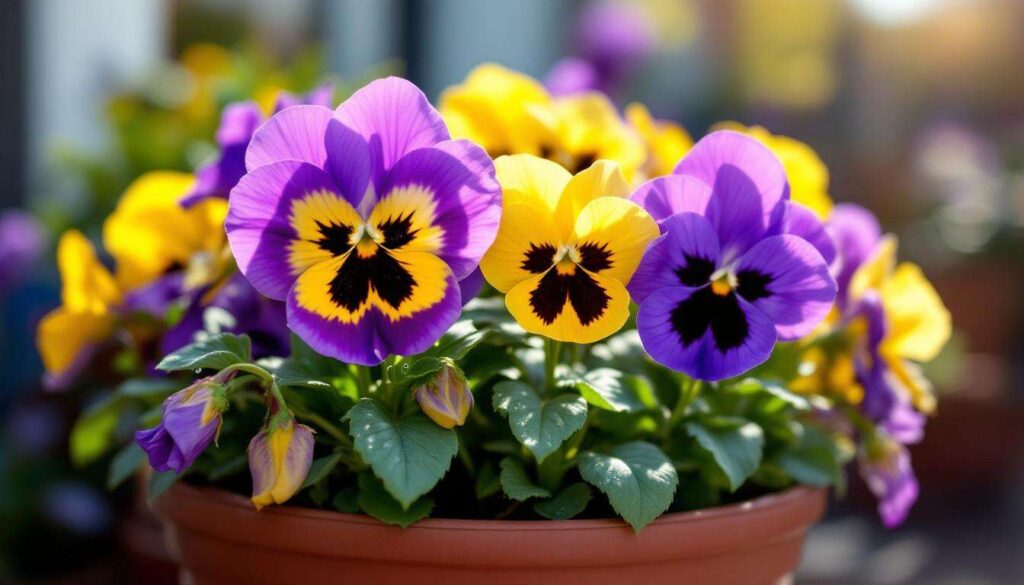
As winter’s chill settles over outdoor spaces, many gardeners resign themselves to bare balconies and dormant gardens. Yet one resilient flowering plant defies the cold season’s dreariness while remaining surprisingly underappreciated. The winter-flowering pansy, or Viola x wittrockiana, offers vibrant blooms throughout the coldest months, transforming outdoor spaces with splashes of purple, yellow, orange, and white. Despite its remarkable cold tolerance and extended flowering period, this hardy annual often gets overshadowed by spring favorites. Gardeners seeking early color would benefit from reconsidering this versatile plant that thrives when most others retreat.
The importance of flowers in balcony design
Visual impact and psychological benefits
Balcony gardens serve as essential green spaces for urban dwellers, providing direct contact with nature in concrete environments. Flowering plants specifically contribute to mental well-being by offering visual stimulation and sensory engagement during months when natural landscapes appear dormant. Studies consistently demonstrate that exposure to colorful blooms reduces stress levels and improves mood, making winter-flowering plants particularly valuable for psychological health.
Architectural enhancement through strategic planting
Well-designed balcony plantings accomplish multiple aesthetic objectives:
- Creating focal points that draw the eye toward specific architectural features
- Softening harsh lines and industrial materials common in urban construction
- Adding vertical dimension through layered planting arrangements
- Providing seasonal interest that changes throughout the year
- Increasing property appeal and perceived value
The strategic placement of flowering containers transforms utilitarian outdoor spaces into personalized garden retreats. Color selection influences perceived temperature, with warm tones creating inviting atmospheres even during cold weather. Understanding how flowers function within overall design frameworks helps homeowners maximize limited balcony square footage while achieving professional-looking results.
Characteristics of the often overlooked flower
Botanical profile and growth habits
Winter-flowering pansies belong to the Violaceae family and represent hybridized cultivars specifically bred for cold tolerance. Unlike their spring-blooming cousins, these varieties initiate flowering in late autumn and continue producing blooms throughout winter into early spring. Individual plants typically reach heights of six to nine inches with similar spreads, forming compact mounds covered in distinctive “faced” flowers measuring two to four inches across.
Temperature tolerance and hardiness zones
| Temperature Range | Plant Response | Bloom Production |
|---|---|---|
| Above 50°F | Active growth | Heavy flowering |
| 32°F to 50°F | Moderate growth | Consistent blooming |
| 15°F to 32°F | Minimal growth | Reduced but present |
| Below 15°F | Dormant state | Temporarily suspended |
These remarkable cold-weather performers survive temperatures as low as 10°F when properly acclimated, though flower production temporarily ceases during extreme cold snaps. The plants resume blooming rapidly once temperatures moderate, demonstrating resilience that few other flowering annuals possess.
Color range and pattern variations
Modern pansy breeding programs have produced an impressive spectrum of colors and bicolor combinations. Available options include solid colors ranging from deep purples and burgundies to bright yellows, oranges, and whites. Many varieties feature distinctive markings resembling faces, with darker blotches radiating from flower centers. This visual complexity adds interest to winter containers when examined closely, rewarding gardeners who venture outdoors despite cold weather.
Why choose this flower for winter
Extended blooming period
The primary advantage of winter-flowering pansies lies in their exceptionally long display season. When planted in early autumn, these flowers begin blooming within weeks and continue producing fresh flowers for five to six months. This extended performance surpasses nearly all other annual flowers, providing consistent color throughout the period when gardens typically appear lifeless. The economic value becomes apparent when comparing bloom duration to cost per plant.
Low maintenance requirements
Winter pansies demand minimal intervention once established, making them ideal for busy gardeners or those with limited horticultural experience. Their needs include:
- Moderate watering during dry periods without precipitation
- Occasional deadheading to encourage continued flower production
- Monthly fertilization with balanced water-soluble formulas
- Protection from extreme wind exposure in exposed locations
Unlike summer annuals that require frequent attention, winter pansies largely care for themselves during cool months when natural precipitation typically provides adequate moisture. This hands-off approach appeals to gardeners who prefer enjoying flowers rather than constantly tending them.
Versatility in container and landscape applications
These adaptable plants perform equally well in various settings, from window boxes and hanging baskets to ground-level beds and mixed containers. Their compact growth habit prevents overcrowding while their mounding form creates attractive compositions without requiring extensive pruning. The flowers complement both traditional and contemporary design aesthetics, fitting seamlessly into diverse architectural styles.
Care tips for optimal blooming
Soil preparation and planting techniques
Success with winter pansies begins with proper soil selection and preparation. Use well-draining potting mixes containing peat moss, perlite, and composted organic matter. Container drainage remains critical since winter precipitation can lead to waterlogged conditions that promote root rot. Plant pansies at the same depth they occupied in nursery containers, spacing individual plants six to eight inches apart to allow for mature spread.
Watering strategies for cold weather
Winter watering requires different approaches than summer irrigation practices. Monitor soil moisture by checking the top inch of growing medium, watering only when this layer feels dry to the touch. During freezing periods, water early in the day to allow foliage to dry before nighttime temperatures drop. Avoid overhead watering when frost threatens, as wet foliage becomes more susceptible to freeze damage.
Fertilization schedules and nutrient requirements
Apply diluted liquid fertilizer every four weeks throughout the blooming period, using formulations with balanced nitrogen-phosphorus-potassium ratios such as 10-10-10 or 20-20-20. Reduce fertilizer concentration to half the manufacturer’s recommended strength since cold temperatures slow nutrient uptake. Excessive fertilization produces lush foliage at the expense of flower production, defeating the purpose of growing these plants for winter color.
Deadheading and grooming practices
Regular removal of spent flowers maintains tidy appearances while redirecting plant energy toward new bloom production. Pinch or snip faded flowers just above the nearest set of leaves, taking care not to damage emerging buds. During mild winter days, inspect plants for damaged or yellowing foliage, removing any compromised leaves to prevent disease establishment and maintain visual appeal.
Floral combinations for a dazzling balcony
Complementary plant pairings
Winter pansies combine beautifully with other cold-tolerant plants to create layered container displays. Effective companion plants include:
- Ornamental kale and cabbage providing textural contrast with ruffled foliage
- Trailing ivy adding cascading elements and evergreen structure
- Dusty miller contributing silver-gray foliage that brightens compositions
- Violas offering smaller-scale flowers in coordinating colors
- Snapdragons providing vertical accents in milder winter climates
Color theory applications
Strategic color selection amplifies visual impact through deliberate palette choices. Monochromatic schemes using various shades of single colors create sophisticated, cohesive displays. Complementary combinations pairing opposite color wheel positions, such as purple pansies with yellow ornamental cabbage, generate dynamic contrast. Analogous schemes featuring adjacent colors like oranges, yellows, and reds produce harmonious warm-toned arrangements particularly effective against winter’s cool backdrop.
Container selection and arrangement principles
Container choice significantly influences overall composition success. Select vessels with adequate drainage holes and sufficient depth to accommodate root systems, typically requiring containers at least eight inches deep. Group containers of varying heights to create dimensional interest, placing taller arrangements toward the back and shorter ones forward. Consider material thermal properties, as dark containers absorb heat while light colors reflect it, affecting root zone temperatures during sunny winter days.
Environmental considerations and biodiversity
Supporting pollinators during winter months
Winter-flowering pansies provide crucial nectar sources for early-emerging pollinators and overwintering insects. Honeybees venture out during mild winter days seeking food resources, while certain butterfly species remain active in temperate regions. By maintaining flowering plants throughout winter, gardeners support pollinator populations during resource-scarce periods, contributing to ecosystem health beyond mere aesthetic considerations.
Sustainable gardening practices
Incorporating winter pansies into balcony gardens aligns with environmental stewardship when approached thoughtfully. Choose locally grown plants to reduce transportation impacts, select organic potting mixes without peat when possible, and use collected rainwater for irrigation. Avoid synthetic pesticides that harm beneficial insects, instead addressing pest problems through manual removal or organic interventions. At season’s end, compost spent plants rather than discarding them in landfills, completing the nutrient cycle.
Urban heat island mitigation
Even small-scale balcony plantings contribute to urban temperature regulation through transpiration and shade provision. Vegetated surfaces absorb less heat than bare concrete or metal, helping moderate localized microclimates. When multiplied across numerous balconies within dense urban areas, these individual efforts collectively reduce ambient temperatures and improve air quality, demonstrating how personal gardening choices generate broader environmental benefits.
Winter-flowering pansies deserve recognition as exceptional performers that bridge the gap between autumn’s fade and spring’s renewal. Their cold tolerance, extended blooming period, and minimal maintenance requirements make them ideal choices for gardeners seeking reliable winter color. By selecting appropriate varieties, providing basic care, and combining them thoughtfully with complementary plants, anyone can transform bare balconies into vibrant displays that defy seasonal expectations. These underappreciated flowers offer not only aesthetic rewards but also ecological benefits, supporting pollinators and contributing to urban greening efforts. Reconsidering this overlooked plant opens possibilities for year-round gardening enjoyment and demonstrates that beautiful outdoor spaces need not hibernate during cold months.