



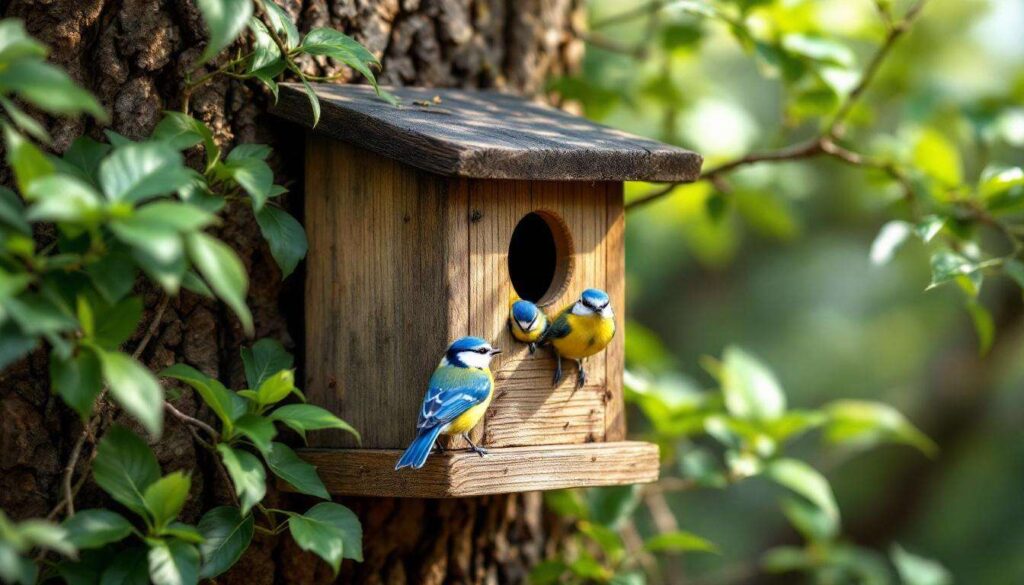
The cheerful chirping of blue tits brings life to any outdoor space, and these small, colorful birds offer gardeners a natural solution to pest control while adding vibrant movement to the landscape. Installing a properly designed nesting box can transform your garden into a welcoming habitat for these charming creatures. Understanding the specific requirements of blue tits ensures that your efforts to attract them will be successful, from selecting the right box dimensions to choosing an optimal location. With their distinctive blue and yellow plumage and energetic personalities, blue tits have become one of the most beloved garden birds across Europe and beyond. Creating an inviting environment for these feathered visitors requires attention to detail and knowledge of their nesting preferences.
Why attract blue tits to your garden
Natural pest control benefits
Blue tits provide exceptional pest management services that benefit gardeners throughout the growing season. A single blue tit family can consume thousands of insects during the breeding period, making them invaluable allies in maintaining a healthy garden ecosystem. Their diet includes:
- Aphids that damage roses and vegetable crops
- Caterpillars that feed on fruit trees and ornamental plants
- Spiders and small beetles that affect garden health
- Larvae of various pest species hidden in bark crevices
Environmental and educational value
Beyond pest control, blue tits contribute to biodiversity and ecological balance in residential areas. Observing their nesting behaviors offers educational opportunities for children and adults alike, fostering an appreciation for wildlife conservation. These birds also serve as indicators of environmental health, with their presence suggesting a well-balanced ecosystem. Their acrobatic feeding habits and social interactions provide endless entertainment, transforming an ordinary garden into a dynamic natural theater.
Understanding these benefits naturally leads to the practical considerations of where to position a nesting box for maximum effectiveness.
Choosing the ideal location for the nesting box
Height and orientation requirements
The placement of a blue tit nesting box significantly impacts its occupancy rate. Positioning the box between 5 and 12 feet above ground level provides security from ground predators while remaining accessible for monitoring. The entrance hole should face between north and east to avoid direct sunlight and prevailing winds, which could overheat the interior or expose chicks to harsh weather conditions.
Surrounding environment considerations
Blue tits prefer locations that offer both protection and convenient access to food sources. Select a spot near trees or shrubs where adults can perch before entering the box, but ensure the immediate entrance area remains clear. The following factors enhance nesting box appeal:
- Proximity to native trees and bushes rich in insects
- Distance from high-traffic areas to minimize disturbance
- Slight downward tilt to prevent rain entry
- Clear flight path to the entrance hole
- Shade during the hottest part of the day
Once the location is determined, the physical specifications of the box itself become the next critical factor.
Recommended dimensions for a blue tit nesting box
Critical measurements for blue tit accommodation
Precise dimensions ensure that blue tits find the box suitable while deterring larger bird species from taking over. The entrance hole diameter proves particularly important, as it determines which species can access the interior.
| Feature | Measurement |
|---|---|
| Entrance hole diameter | 25-28 mm |
| Internal floor dimensions | 10 x 10 cm minimum |
| Internal height | 20-25 cm |
| Distance from hole to floor | 15-18 cm |
| Wall thickness | 15-20 mm |
Design features that matter
The interior should remain smooth without perches near the entrance, as these features attract predators and unwanted species. A hinged or removable roof facilitates annual cleaning, while drainage holes in the floor prevent water accumulation. Ventilation slots near the roof line ensure adequate air circulation during warm weather without creating drafts that could chill nestlings.
These specifications work best when combined with appropriate construction materials.
What material to favor for the nesting box
Wood as the optimal choice
Untreated hardwood provides the best material for blue tit nesting boxes, offering natural insulation and durability. Cedar, oak, and pine work exceptionally well, with cedar presenting natural rot-resistance without chemical treatments. The wood should be at least 15 mm thick to provide adequate insulation against temperature extremes. Avoid plywood or particleboard, as these materials deteriorate rapidly when exposed to moisture and may contain harmful adhesives.
Materials to avoid and surface treatments
Certain materials and finishes prove detrimental to nesting success. Never use:
- Treated lumber containing preservatives or pesticides
- Metal boxes that overheat in summer and freeze in winter
- Painted or varnished interiors that emit fumes
- Creosote or other toxic wood treatments
External surfaces may receive water-based, non-toxic wood preservatives to extend box longevity, but interiors must remain completely untreated. A light exterior stain in natural colors helps the box blend with surroundings while protecting against weathering.
Proper materials combined with regular maintenance ensure long-term success in attracting blue tits.
Maintaining and protecting your nesting box from predators
Annual cleaning protocols
Blue tit nesting boxes require cleaning once yearly between October and January when birds have finished breeding and before winter roosting begins. Remove old nesting material, which harbors parasites and bacteria that could affect future broods. Use boiling water rather than chemical cleaners to sanitize the interior, allowing the box to dry completely before reinstalling it.
Predator deterrent strategies
Protecting nesting blue tits from predators increases fledgling survival rates significantly. Implement these protective measures:
- Install metal plates around entrance holes to prevent woodpeckers from enlarging openings
- Position boxes away from branches that provide cat access routes
- Apply grease or smooth metal collars to mounting poles
- Ensure entrance holes face away from prevailing winds and rain
- Check regularly for wasp or bee colonization during off-season
Monitoring without excessive disturbance helps identify problems early while respecting the birds’ need for privacy during the sensitive nesting period.
Understanding typical blue tit behaviors enhances appreciation for these efforts and helps identify when intervention might be necessary.
Behaviors to observe during nesting
Courtship and nest building activities
Blue tits begin prospecting for nest sites in late winter, with males often investigating multiple locations. The female makes the final site selection and constructs the nest primarily from moss, forming a cup lined with softer materials like feathers, hair, and wool. This construction phase typically spans 7-10 days, during which both parents actively gather materials. Observing these activities indicates successful attraction of a breeding pair.
Egg laying and chick development
Female blue tits lay one egg daily, usually producing clutches of 8-12 eggs. Incubation begins after the final egg is laid, lasting approximately 13-15 days. During this period, the female rarely leaves the nest, relying on the male for food delivery. After hatching, both parents work intensively to feed the growing chicks, making hundreds of feeding trips daily. Fledging occurs around 18-21 days after hatching, with young birds remaining dependent on parents for several additional weeks.
Providing a well-designed nesting box creates opportunities for gardeners to witness the complete breeding cycle of blue tits, from initial courtship displays through the remarkable moment when fledglings take their first flights. These observations offer insights into avian behavior while contributing meaningfully to local bird populations. The combination of proper box design, strategic placement, quality materials, and appropriate maintenance establishes ideal conditions for blue tit families to thrive, transforming gardens into vital breeding habitats that support these beneficial and delightful birds season after season.