


Home gardeners worldwide have long debated whether kitchen scraps can truly nourish their plants. Among the most discussed organic materials are banana peels, with passionate advocates claiming miraculous results and skeptics dismissing them as gardening folklore. This debate has intensified as sustainability becomes increasingly important, prompting both amateur and professional horticulturists to examine the science behind this common household waste. Understanding the facts about banana peels as fertilizer requires examining both their chemical composition and practical application methods.
Banana peels composting: myth or reality ?
The scientific foundation of banana peel composting
Banana peels do contain valuable nutrients that plants need for healthy growth, making their use as fertilizer more than just folklore. The process of composting these peels breaks down their organic matter into forms that plants can absorb through their root systems. Scientific studies have confirmed that banana peels contain measurable amounts of potassium, phosphorus, and other essential minerals. However, the effectiveness depends entirely on how gardeners prepare and apply them.
Common misconceptions about immediate results
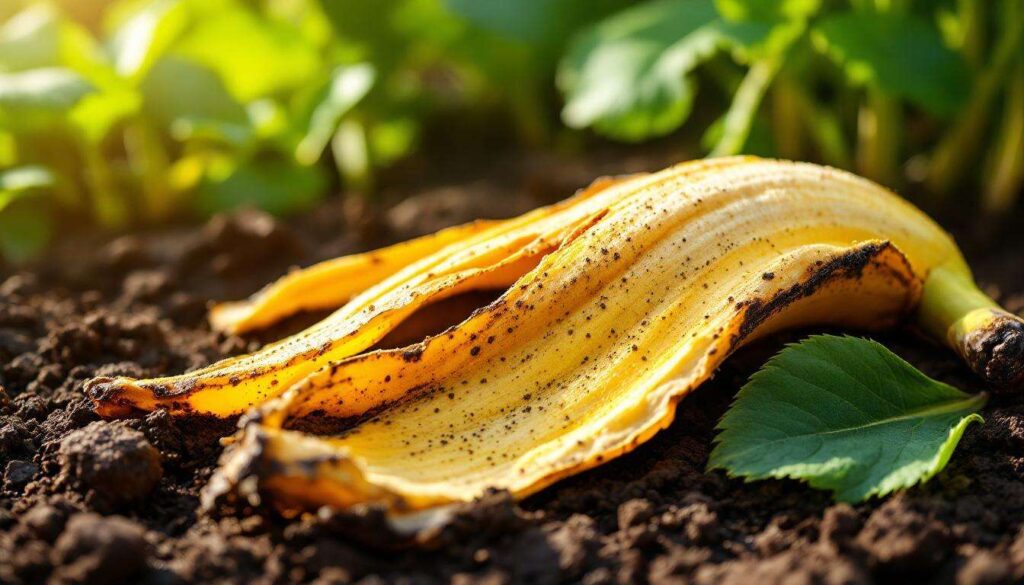
Many gardeners expect instant benefits from placing fresh banana peels directly onto soil, but this approach has significant limitations:
- Fresh peels decompose slowly and may attract pests before releasing nutrients
- Whole peels create a barrier that prevents proper water absorption
- Unprocessed organic matter can temporarily deplete nitrogen as it breaks down
- Direct application without preparation may encourage fungal growth
The reality is that banana peels work best when properly processed through composting, drying, or other preparation methods rather than being used fresh. Understanding these fundamental principles helps explain why expert opinions on this topic vary so widely.
Nutrients contained in banana peels
Primary nutrient composition
Banana peels contain a diverse array of plant nutrients, though not always in the concentrations that popular gardening blogs suggest. The actual nutrient profile varies based on the banana’s ripeness and growing conditions. Potassium stands out as the most abundant nutrient, which explains why banana peels have gained popularity among gardeners seeking to promote flowering and fruiting.
| Nutrient | Approximate Percentage | Primary Plant Benefit |
|---|---|---|
| Potassium | 42-48% | Flower and fruit development |
| Phosphorus | 3-4% | Root growth and energy transfer |
| Calcium | 0.8-1% | Cell wall structure |
| Magnesium | 0.7-0.9% | Chlorophyll production |
Secondary beneficial compounds
Beyond the major nutrients, banana peels provide trace elements and organic compounds that support soil health. These include manganese, sodium, and various amino acids that contribute to overall plant vitality. The peels also contain sugars and starches that feed beneficial soil microorganisms, creating a healthier growing environment. These secondary benefits often prove just as valuable as the primary nutrients, though they receive less attention in popular discussions.
While the nutrient content is scientifically documented, the question remains whether these compounds are actually accessible to plants in practical gardening situations.
Gardening experts share their opinions
Professional horticulturists’ perspective
University extension programs and certified horticulturists generally acknowledge that banana peels have value but emphasize proper preparation methods. Dr. Linda Chalker-Scott, a horticulture professor, notes that organic matter from kitchen scraps improves soil structure regardless of specific nutrient content. However, experts caution against viewing banana peels as a complete fertilizer replacement. Professional gardeners recommend combining banana peels with balanced composting practices rather than relying on them exclusively.
Organic gardening advocates’ experiences
Experienced organic gardeners often report positive results with banana peels, particularly when used consistently over multiple growing seasons. Their observations include:
- Improved flowering in roses and other ornamental plants
- Enhanced tomato production when peels are incorporated into planting holes
- Better overall soil texture in gardens with regular peel applications
- Reduced need for commercial fertilizers in established gardens
These anecdotal reports, while encouraging, must be balanced against the understanding that many factors contribute to gardening success. The consensus among both professionals and experienced amateurs points toward practical application methods as the key to success.
How to use banana peels in your garden
Composting method for optimal results
The most effective approach involves adding banana peels to a traditional compost pile where they break down alongside other organic materials. Chopping the peels into small pieces accelerates decomposition and prevents them from forming impermeable mats. In a properly maintained compost system, banana peels typically decompose within three to four weeks, releasing their nutrients into the finished compost that can then be applied to garden beds.
Direct soil incorporation techniques
Gardeners who prefer direct application should bury chopped banana peels several inches below the soil surface near plant roots. This method works particularly well for:
- Transplanting seedlings into garden beds
- Preparing planting holes for new perennials
- Side-dressing established plants during the growing season
- Enriching soil in containers and raised beds
Creating banana peel tea fertilizer
Liquid fertilizer made from banana peels offers another application method that some gardeners prefer. Soaking chopped peels in water for 48 to 72 hours creates a nutrient-rich solution that can be diluted and applied directly to plants. This technique makes nutrients more immediately available, though the concentration remains relatively weak compared to commercial fertilizers. Regular applications throughout the growing season yield better results than occasional use.
Understanding these practical methods helps gardeners maximize benefits while minimizing potential problems associated with improper use.
The ecological benefits of recycling banana peels
Reducing household waste streams
Americans discard millions of pounds of banana peels annually, with most ending up in landfills where they produce methane during anaerobic decomposition. Diverting this organic waste to gardens significantly reduces household garbage while creating value from materials that would otherwise contribute to environmental problems. Even small-scale home composting makes a measurable difference when practiced consistently across communities.
Supporting sustainable gardening practices
Using banana peels aligns with broader sustainability goals by reducing dependence on manufactured fertilizers that require energy-intensive production processes. The environmental benefits include:
- Decreased carbon footprint from fertilizer manufacturing and transportation
- Reduced chemical runoff into waterways
- Enhanced soil biodiversity through organic matter addition
- Lower overall gardening costs for households
These ecological advantages extend beyond individual gardens, contributing to healthier local ecosystems and more sustainable food production systems. However, gardeners must also understand the practical limitations to set realistic expectations.
Limitations and precautions to consider
Potential pest and disease issues
Fresh banana peels attract various pests including fruit flies, raccoons, and other animals seeking easy food sources. Surface application without proper burial or composting creates opportunities for pest problems that may damage gardens. Additionally, peels from conventionally grown bananas may contain pesticide residues that persist even after the fruit is consumed. Organic banana peels eliminate this concern but typically cost more than conventional varieties.
Nutritional limitations and supplementation needs
While banana peels provide valuable potassium, they lack sufficient nitrogen for complete plant nutrition. Gardens relying exclusively on banana peels often develop nitrogen deficiencies that manifest as yellowing leaves and stunted growth. Successful gardeners supplement banana peels with nitrogen-rich materials such as:
- Grass clippings and green plant material
- Coffee grounds and tea leaves
- Legume-based cover crops
- Aged manure from herbivorous animals
Balanced nutrition requires diverse organic inputs rather than dependence on any single material, regardless of its nutrient content. Understanding these limitations helps gardeners create realistic expectations and develop comprehensive soil management strategies.
Banana peels offer legitimate benefits as garden amendments when used properly within a broader composting and fertilization strategy. The nutrients they contain are real and valuable, particularly their potassium content, though they cannot replace complete fertilization programs. Expert consensus supports their use as one component of sustainable gardening practices rather than a miracle solution. Success depends on proper preparation methods, realistic expectations about nutrient availability, and integration with other organic materials. Gardeners who approach banana peel use with scientific understanding and practical wisdom can reduce waste while improving soil health, making this common kitchen scrap a worthwhile addition to thoughtful gardening practices.