
Across backyards and gardens throughout North America, one small red fruit has proven to be an undeniable magnet for American robins. Bird experts and ornithologists have long observed that holly berries consistently draw these beloved songbirds in remarkable numbers, often transforming quiet yards into bustling avian gathering spots within hours. This phenomenon isn’t mere coincidence but rather reflects deep biological connections between robins and this particular food source. Understanding why this fruit holds such appeal can transform your outdoor space into a thriving habitat for these charismatic birds.
The irresistible attraction of the fruit for robins
What makes holly berries stand out
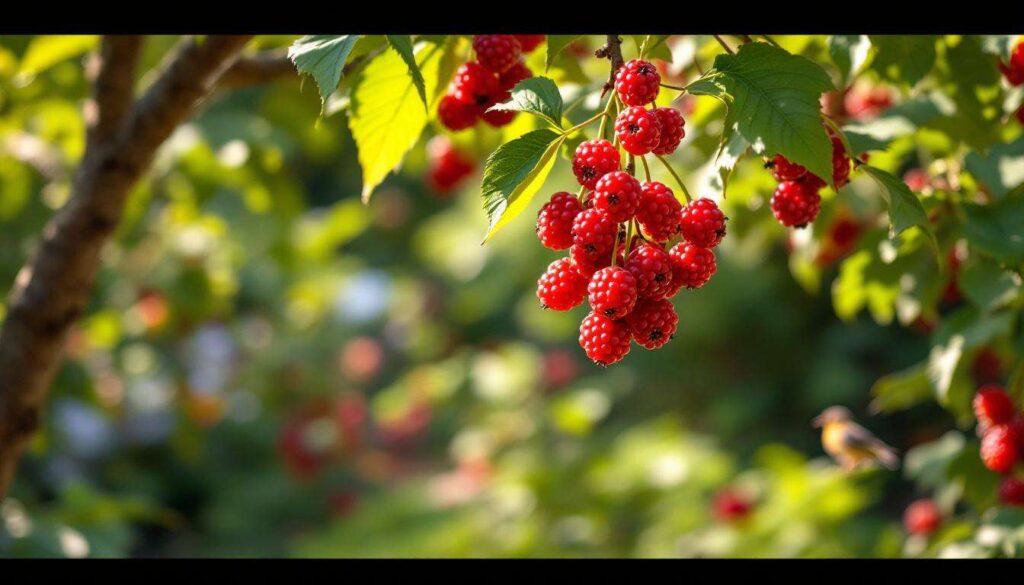
Holly berries possess a unique combination of characteristics that make them particularly attractive to robins. The bright red coloration serves as a visual beacon, easily spotted against winter landscapes when food sources become scarce. Unlike many other berries that ripen in summer and fall, holly berries reach peak ripeness during late fall and winter, precisely when robins need calorie-dense foods most urgently.
The nutritional profile of holly berries provides essential elements that robins require:
- High fat content for energy reserves during cold weather
- Natural sugars that provide immediate fuel for daily activities
- Moisture content that helps with hydration when water sources freeze
- Antioxidants that support immune system function
The timing advantage of holly berries
The seasonal availability of holly berries creates a critical survival resource for robins. While many berry-producing plants offer fruits during warmer months, holly maintains its berries well into winter. This extended availability means robins can rely on holly when earthworms become inaccessible beneath frozen ground and insects disappear from the landscape.
| Season | Berry Availability | Robin Feeding Behavior |
|---|---|---|
| Spring-Summer | Multiple sources | Primarily insects and worms |
| Fall | Declining options | Transitioning to berries |
| Winter | Holly berries peak | Heavy berry dependence |
This nutritional timing explains why yards with mature holly bushes often experience sudden influxes of robins during colder months, creating spectacular viewing opportunities for bird enthusiasts.
Why robins love this specific berry
Evolutionary adaptations for berry consumption
Robins have developed specialized digestive systems that efficiently process holly berries. Their gastrointestinal tracts can handle the mild toxicity that makes these berries unpalatable to many other species. This evolutionary adaptation gives robins a competitive advantage, allowing them to exploit a food resource with less competition from other bird species.
The physical characteristics of robins also facilitate berry consumption. Their bill structure permits them to pluck berries efficiently, while their gape width allows them to swallow whole berries without difficulty. Additionally, robins possess excellent color vision that helps them identify ripe berries from considerable distances.
Behavioral patterns around holly plants
Robins exhibit distinctive social behaviors when feeding on holly berries. They often arrive in flocks, particularly during migration periods, and may defend productive holly bushes from other birds. This territorial behavior underscores the value robins place on these resources. Observers frequently note that robins will return repeatedly to the same holly plants, sometimes establishing feeding territories that they maintain for weeks.
The fermentation process that occurs in overripe berries adds another dimension to their appeal. Slightly fermented berries contain higher sugar concentrations and altered chemical compositions that robins find particularly enticing, sometimes leading to observations of apparently intoxicated birds after consuming large quantities.
Understanding these preferences helps explain why certain yards become robin hotspots while neighboring properties remain relatively quiet, leading naturally to considerations of how berries function within the broader ecological context.
The role of berries in the robin ecosystem
Seed dispersal partnerships
The relationship between robins and holly represents a mutualistic ecological partnership. As robins consume berries, they digest the fruit flesh while passing seeds through their digestive systems intact. These seeds, deposited in droppings across wide geographic areas, often germinate more successfully than seeds that simply fall beneath parent plants.
This seed dispersal mechanism benefits both species:
- Holly plants expand their range through bird-mediated distribution
- Robins gain reliable food sources in new locations
- Genetic diversity increases as seeds travel between populations
- Ecosystems develop more complex plant communities
Impact on robin migration and survival
Berry availability directly influences robin migration patterns and winter survival rates. Research has documented that robins often delay southward migration or remain in northern regions when abundant berry crops exist. Holly-rich areas can support overwintering robin populations that would otherwise need to travel hundreds of miles to find adequate food.
| Berry Abundance | Migration Distance | Survival Rate |
|---|---|---|
| High | Reduced or delayed | 85-90% |
| Moderate | Partial migration | 75-80% |
| Low | Complete migration | 65-70% |
These ecological connections demonstrate that providing berry sources does more than simply attract birds for observation; it contributes meaningfully to robin population health and ecosystem function, which raises practical questions about implementation in residential landscapes.
How to offer this fruit in your garden
Selecting appropriate holly varieties
Not all holly species produce equally attractive berries for robins. American holly (Ilex opaca) and winterberry holly (Ilex verticillata) rank among the most effective choices for attracting these birds. When selecting plants, consider both male and female specimens, as female plants produce berries only when pollinated by nearby males.
Key considerations for holly selection include:
- Climate hardiness appropriate for your growing zone
- Mature size compatible with available space
- Berry production timing that matches local robin presence
- Native species that support broader ecosystem health
Planting and maintenance strategies
Successful holly cultivation requires attention to specific environmental conditions. Most holly varieties prefer acidic soil with pH levels between 5.0 and 6.5, along with good drainage to prevent root rot. Planting in locations with partial to full sun exposure typically yields the most abundant berry production.
Maintenance practices that enhance berry production include regular watering during establishment periods, mulching to retain soil moisture, and minimal pruning that preserves berry-bearing branches. Avoid heavy fertilization, which can promote excessive foliage growth at the expense of fruit development.
Alternative presentation methods
For those unable to grow holly plants, alternative approaches can still attract robins. Some bird enthusiasts collect fallen holly berries and offer them in platform feeders, though fresh berries on living plants remain most attractive. Creating brush piles near berry sources provides shelter that encourages robins to linger in your yard.
These practical strategies for incorporating holly into landscapes naturally complement broader goals of creating bird-friendly environments that offer multiple benefits beyond simple observation opportunities.
Benefits of attracting robins to your outdoor space
Natural pest control advantages
Robins provide valuable pest management services throughout growing seasons. Their diet includes substantial quantities of insects, grubs, and larvae that damage lawns and gardens. A single robin can consume dozens of cutworms, beetle larvae, and other destructive insects daily, reducing the need for chemical pest control interventions.
The pest control benefits extend to:
- Reduction in lawn-damaging grub populations
- Control of caterpillars that feed on ornamental plants
- Decreased mosquito larvae in moist soil areas
- Natural management of aphids and other soft-bodied insects
Educational and recreational value
Hosting robins creates exceptional opportunities for nature observation and education. These approachable birds tolerate human presence better than many species, allowing close observation of feeding behaviors, social interactions, and seasonal patterns. Families with children particularly benefit from the accessible wildlife viewing that robins provide.
Beyond entertainment value, robin presence indicates healthy ecosystem function. Their abundance suggests adequate food resources, appropriate habitat structure, and relatively low pesticide contamination. Monitoring robin populations in your yard can serve as an informal environmental health assessment.
Contributions to broader conservation efforts
Individual yards that support robin populations contribute to landscape-scale conservation. As urban and suburban development fragments natural habitats, residential properties increasingly function as critical wildlife corridors and refuges. By providing berry sources and appropriate habitat, homeowners participate in distributed conservation networks that sustain bird populations across regions.
These multifaceted benefits demonstrate that attracting robins serves purposes beyond aesthetic enjoyment, which connects to strategies for maintaining their presence throughout changing seasons.
Tips to maximize the presence of robins year-round
Creating comprehensive habitat features
While holly berries attract robins effectively, comprehensive habitat design encourages extended stays and potential nesting. Robins require diverse resources including water sources, nesting sites, and varied food options. Installing birdbaths with fresh water, maintaining areas of short grass for foraging, and preserving mud puddles for nest construction all enhance habitat quality.
Essential habitat components include:
- Shallow water features for drinking and bathing
- Dense shrubs or trees for nesting and shelter
- Open lawn areas for hunting earthworms
- Leaf litter that harbors insects and invertebrates
Seasonal management practices
Adapting yard management to seasonal robin needs increases year-round presence. During spring and summer, minimize pesticide use to preserve insect populations that robins feed to nestlings. In fall, allow some berries from various plants to remain on stems rather than deadheading everything. Winter management should focus on maintaining accessible berry sources and unfrozen water.
| Season | Management Priority | Expected Robin Activity |
|---|---|---|
| Spring | Nesting habitat protection | Breeding and territorial behavior |
| Summer | Insect population maintenance | Feeding young, high activity |
| Fall | Berry preservation | Flocking and migration preparation |
| Winter | Food and water availability | Survival-focused feeding |
Avoiding common deterrents
Certain practices inadvertently discourage robin presence. Excessive lawn treatments eliminate the earthworms and insects that robins depend upon during warmer months. Removing all dead wood and dense vegetation eliminates nesting sites and shelter. Allowing cats to roam outdoors creates predation pressure that drives robins away from otherwise suitable habitat.
By avoiding these deterrents while implementing positive habitat features, property owners can establish environments where robins thrive throughout the year, creating sustained opportunities for observation and ecological benefit.
The remarkable attraction that holly berries hold for robins reflects millions of years of coevolution between birds and plants. By understanding this relationship and incorporating appropriate berry-producing plants into landscapes, anyone can transform their yard into a robin haven. The benefits extend far beyond simple bird watching, encompassing pest control, ecosystem support, and participation in broader conservation efforts. Whether through planting native holly varieties, maintaining diverse habitat features, or simply preserving existing berry sources, small actions create meaningful impacts for these beloved songbirds. The sight of robins feasting on bright red berries represents not just a beautiful natural spectacle but a functioning ecological partnership that enriches both wildlife populations and human experiences with nature.