



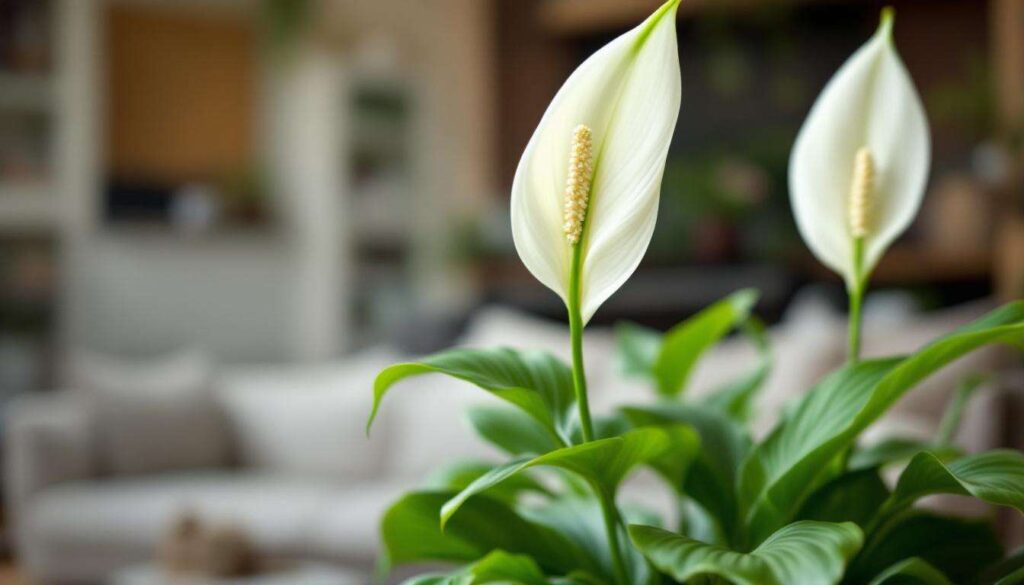
The peace lily, scientifically known as Spathiphyllum, has earned its reputation as one of the most popular houseplants thanks to its elegant white blooms and air-purifying qualities. However, many plant enthusiasts find themselves frustrated when their once-flowering specimen refuses to produce those distinctive white spathes. While the lush green foliage may appear healthy, the absence of blooms often signals that something in the care routine needs adjustment. Three primary culprits typically stand behind this flowering failure: inadequate lighting, improper watering practices, and insufficient fertilization. Understanding these common errors and how to correct them can transform a stubborn peace lily into a prolific bloomer that enhances any indoor space.
Understanding the light needs of the peace lily
The myth of low-light tolerance
Peace lilies have gained a reputation as low-light champions, but this characterization often misleads plant owners. While these plants can survive in dim conditions, survival and thriving are entirely different matters. Peace lilies require bright, indirect light to produce blooms, and placing them in dark corners or windowless rooms essentially guarantees they will never flower. The plant may maintain its foliage in low light, but the energy required for bloom production simply cannot be generated without adequate photosynthesis.
Optimal lighting conditions for blooming
To encourage consistent flowering, peace lilies need specific light exposure that balances brightness with protection from harsh rays. Consider these guidelines:
- Position the plant near an east-facing window where it receives gentle morning sunlight
- Place it a few feet away from south or west-facing windows to avoid direct afternoon sun
- Use sheer curtains to filter intense light while maintaining brightness
- Rotate the plant weekly to ensure even light distribution on all sides
- Supplement with grow lights if natural light is consistently insufficient
Signs of improper light exposure
The peace lily communicates its lighting needs through visible symptoms. Leaves that turn yellow or develop brown, crispy edges indicate too much direct sunlight, while dark green leaves that grow smaller and produce no blooms suggest insufficient light. When the plant receives appropriate illumination, leaves maintain a vibrant medium-green color and the plant regularly produces flower buds. Adjusting the plant’s position based on these visual cues helps establish the ideal lighting environment that supports flowering.
Beyond lighting considerations, the way water is delivered to the plant plays an equally crucial role in bloom production.
Identifying common watering mistakes
The dangers of overwatering
Overwatering represents the most frequent watering error that prevents peace lilies from blooming. Excessive moisture creates anaerobic soil conditions that suffocate roots and promote fungal diseases. When roots cannot function properly due to waterlogged soil, the plant redirects all available energy toward survival rather than reproduction through flowering. Yellow leaves, wilting despite wet soil, and a musty odor from the potting mix all signal overwatering problems that must be addressed before blooms can appear.
The consequences of underwatering
While less common than overwatering, insufficient water also prevents flowering. Peace lilies are dramatic about their thirst, wilting noticeably when dry, but chronic underwatering stresses the plant and inhibits bloom development. The following table illustrates proper watering frequency based on environmental factors:
| Condition | Watering Frequency | Soil Check Method |
|---|---|---|
| Warm, bright location | Every 5-7 days | Top 1 inch dry |
| Moderate temperature and light | Every 7-10 days | Top 2 inches dry |
| Cool, lower light | Every 10-14 days | Top 2-3 inches dry |
Establishing the correct watering routine
Rather than following a rigid schedule, successful peace lily care requires responsive watering based on actual plant needs. Insert a finger into the soil to check moisture levels before watering, and ensure that water drains completely from the pot’s drainage holes. Allow the top inch of soil to dry between waterings, but never let the plant wilt repeatedly as this stress prevents blooming. Using room-temperature water prevents shock, and watering in the morning allows excess moisture to evaporate throughout the day.
While mastering the watering routine addresses immediate plant health, providing proper nutrition ensures the plant has resources to produce flowers.
Recognizing the importance of fertilization
Why peace lilies need fertilizer to bloom
Many plant owners assume that peace lilies require minimal feeding, but nutrient deficiency commonly prevents flowering. Blooming demands significant energy and specific nutrients, particularly phosphorus, which supports flower development. Without regular fertilization, peace lilies exhaust the limited nutrients in potting soil and lack the resources necessary to produce spathes, even when all other care requirements are met.
Choosing the right fertilizer formulation
Not all fertilizers support peace lily blooming equally. The three numbers on fertilizer packaging represent nitrogen, phosphorus, and potassium ratios. For encouraging blooms, select formulations with these characteristics:
- Higher middle number indicating increased phosphorus content
- Balanced ratios such as 10-10-10 or bloom-boosting formulas like 15-30-15
- Water-soluble formulations that distribute evenly through the soil
- Organic options that release nutrients gradually without burning roots
Proper fertilization schedule and technique
Application frequency matters as much as fertilizer type. During the growing season from spring through early fall, feed peace lilies every six to eight weeks with diluted fertilizer at half the recommended strength. Over-fertilization causes salt buildup that damages roots and prevents blooming, so less truly is more with these plants. Flush the soil with plain water every few months to remove accumulated salts, and reduce feeding during winter when growth naturally slows.
Temperature and humidity conditions in the growing environment also significantly influence whether a peace lily will produce flowers.
Checking the required environmental conditions
Temperature requirements for flowering
Peace lilies are tropical plants that require consistently warm temperatures to bloom. Temperatures between 65-80°F create ideal conditions for flower production, while exposure to temperatures below 60°F or above 85°F stresses the plant and halts blooming. Cold drafts from air conditioning units, heating vents, or windows during winter can prevent flowering even when all other care aspects are correct. Maintaining stable temperatures without dramatic fluctuations encourages the plant to invest energy in bloom development.
The critical role of humidity
As native rainforest dwellers, peace lilies thrive in humid environments and struggle to bloom in dry air. Low humidity causes brown leaf tips and inhibits flower formation. Increase ambient humidity through these methods:
- Place the pot on a pebble tray filled with water
- Group multiple plants together to create a humid microclimate
- Use a humidifier to maintain 50-60% relative humidity
- Mist leaves regularly, particularly during dry winter months
Examining the root system reveals another common barrier to peace lily flowering that often goes unnoticed.
Ensuring the health of the roots
Recognizing when repotting is necessary
Peace lilies actually bloom more prolifically when slightly rootbound, but severely crowded roots cannot support flowering. When roots circle densely around the pot’s interior or emerge from drainage holes, the plant has exhausted available soil nutrients and space. Repotting every two to three years in a container only one to two inches larger provides fresh soil and adequate room without encouraging excessive foliage growth at the expense of blooms.
Choosing appropriate soil composition
The potting medium significantly affects root health and blooming potential. Peace lilies require well-draining soil that retains some moisture without becoming waterlogged. A mixture containing peat moss, perlite, and pine bark creates the ideal texture. Avoid heavy garden soil or mixes that compact easily, as these restrict oxygen flow to roots and prevent the nutrient uptake necessary for flower production.
Adjusting care practices throughout the year addresses the plant’s changing needs and supports consistent blooming.
Adapting care to the seasons
Spring and summer care adjustments
During active growth periods, peace lilies require more frequent watering, regular fertilization, and benefit from increased humidity. This is when blooming naturally occurs, so maintaining optimal conditions during these months maximizes flower production. Ensure adequate bright, indirect light as days lengthen, and monitor soil moisture more closely as warmer temperatures increase water consumption.
Fall and winter modifications
As growth slows during shorter, cooler days, peace lilies enter a semi-dormant period requiring modified care. Reduce watering frequency, discontinue fertilization, and protect plants from cold drafts and heating system dryness. While blooming may pause during winter, proper dormant care ensures the plant stores energy for vigorous spring growth and flowering.
Successfully encouraging a peace lily to bloom requires addressing multiple care factors simultaneously. Providing bright, indirect light gives the plant energy for flower production, while proper watering prevents root stress that diverts resources from blooming. Regular fertilization supplies essential nutrients, particularly phosphorus, that support flower development. Maintaining appropriate temperature and humidity creates an environment where the plant feels secure enough to reproduce. Healthy roots in well-draining soil ensure efficient nutrient and water uptake, and seasonal care adjustments align support with the plant’s natural growth cycles. By correcting these three common errors and maintaining consistent, appropriate care, even the most stubborn peace lily can transform into a reliable bloomer that produces elegant white spathes throughout the growing season.