

Gardeners constantly seek plants that combine rapid growth with stunning visual appeal. Among the most remarkable specimens available today stands a tree that challenges conventional expectations by growing at speeds comparable to bamboo while delivering breathtaking seasonal displays. This extraordinary botanical wonder transforms outdoor spaces with minimal wait time, offering homeowners an opportunity to create mature-looking landscapes in just a few years. The combination of explosive vertical growth and spectacular flowering makes this tree a game-changing addition to contemporary gardens.
Introduction to the botanical miracle: a tree with spectacular growth
The Empress tree, scientifically known as Paulownia tomentosa, represents one of nature’s most impressive growth performers. Native to China, this deciduous tree has captured the attention of gardeners worldwide due to its extraordinary expansion rate that can reach up to fifteen feet in a single growing season under optimal conditions.
Understanding the Empress tree’s origins and characteristics
This remarkable species belongs to the Paulowniaceae family and carries several common names including princess tree and foxglove tree. The tree features:
- Large heart-shaped leaves that can measure up to twelve inches across
- A robust trunk that develops quickly into a substantial diameter
- A spreading canopy that provides generous shade coverage
- Fragrant purple-blue flowers arranged in upright clusters
- Woody seed capsules that persist through winter months
The Empress tree’s rapid development stems from its ability to establish deep root systems quickly, allowing it to access water and nutrients efficiently. Young specimens can grow with such vigor that they often surprise even experienced horticulturists with their vertical expansion capabilities.
This exceptional growth pattern naturally leads to questions about what fuels such remarkable development and how gardeners can harness these characteristics effectively.
The secrets of rapid growth: why this tree rivals bamboo
The Paulownia tomentosa achieves its bamboo-like growth rates through several biological adaptations that set it apart from typical hardwood trees. Understanding these mechanisms helps gardeners appreciate the tree’s unique position in the botanical world.
Biological factors driving accelerated expansion
The tree’s growth velocity results from multiple physiological features working in concert. The cellular structure of Empress tree wood contains larger vessels and more porous tissue than most hardwoods, allowing for rapid nutrient transport throughout the plant. This lightweight wood composition enables the tree to build height quickly without requiring the dense cellular development typical of slower-growing species.
| Growth Factor | Empress Tree | Typical Hardwood |
|---|---|---|
| Annual height gain | 10-15 feet | 1-3 feet |
| Years to maturity | 8-10 years | 20-40 years |
| Root depth first year | 6-8 feet | 2-4 feet |
Environmental conditions that maximize growth potential
The Empress tree thrives in USDA hardiness zones 5 through 9, demonstrating remarkable adaptability to various climates. Key environmental preferences include:
- Full sun exposure for at least six hours daily
- Well-draining soil with moderate fertility levels
- Consistent moisture during establishment phase
- Protection from strong winds during early years
- Adequate spacing from structures and utilities
The tree’s nitrogen-fixing capabilities through its root associations allow it to improve soil quality while growing, creating a self-sustaining cycle that further accelerates development. This biological advantage means the tree essentially fertilizes itself, reducing maintenance requirements while maintaining explosive growth rates.
Beyond its impressive stature development, the Empress tree’s most captivating feature emerges each spring with a floral display that transforms entire landscapes.
The magical bloom: a sight for sore eyes
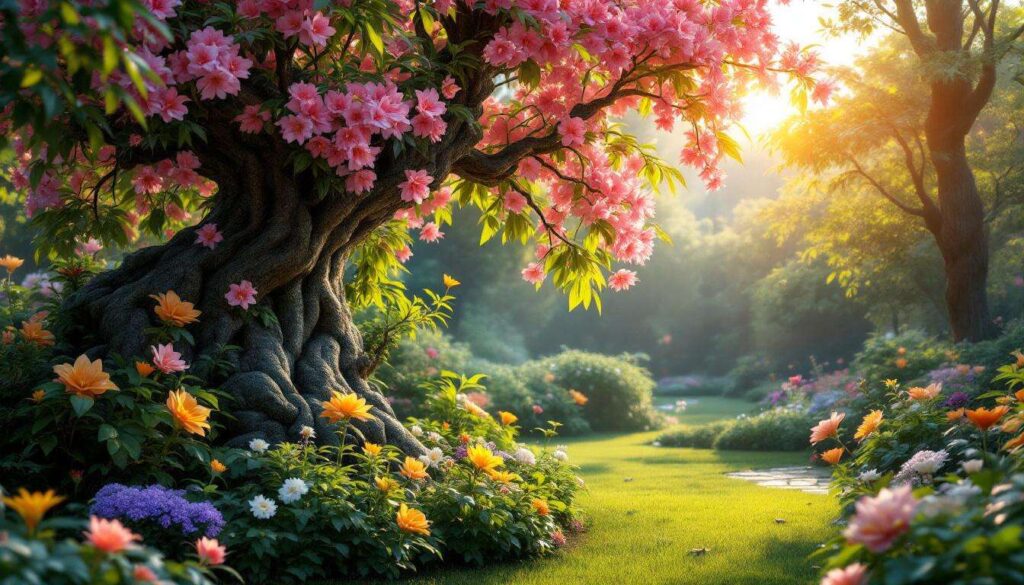
The flowering spectacle of the Empress tree elevates it from merely fast-growing to genuinely extraordinary. Each spring, before leaves emerge, the tree produces massive clusters of tubular flowers that blanket the canopy in shades of lavender, purple, and violet.
Characteristics of the stunning floral display
The foxglove-like blooms appear in upright panicles measuring eight to twelve inches in length, creating a dramatic visual impact visible from considerable distances. Individual flowers reach approximately two inches long and emit a sweet vanilla-like fragrance that attracts pollinators including bees, butterflies, and hummingbirds.
The flowering period typically spans two to three weeks in mid to late spring, depending on regional climate conditions. This timing positions the Empress tree as one of the earliest major bloomers, providing crucial nectar sources when few other flowering trees offer sustenance to pollinators.
Impact on garden aesthetics and wildlife
The visual transformation during bloom time fundamentally changes garden character. The purple canopy effect creates a focal point that dominates the landscape, drawing attention and admiration from neighbors and visitors. After flowering concludes, the large heart-shaped leaves unfurl rapidly, maintaining the tree’s ornamental value throughout the growing season.
Wildlife benefits extend beyond pollinators, as the dense foliage provides nesting sites for birds while the seed capsules offer food sources for various species during winter months.
Understanding these remarkable features naturally leads to practical considerations for incorporating this exceptional tree into residential landscapes.
How to incorporate this tree into your garden
Successfully integrating an Empress tree requires thoughtful planning to maximize benefits while avoiding potential challenges associated with its vigorous growth habits.
Strategic placement considerations
The tree’s rapid expansion and eventual mature size of forty to sixty feet in height and width demand careful site selection. Optimal placement strategies include:
- Positioning at least thirty feet from buildings and foundations
- Avoiding proximity to underground utilities and septic systems
- Selecting locations where the tree can serve as a focal point
- Ensuring adequate space for root system expansion
- Considering sight lines from windows and outdoor living areas
Companion planting and landscape design integration
The Empress tree works exceptionally well as a specimen tree in larger properties where its scale can be properly appreciated. For smaller gardens, consider using it as a background element or property border feature. Companion plants should tolerate the dappled shade created by the tree’s large leaves, making hostas, ferns, and shade-tolerant groundcovers excellent choices for understory plantings.
With proper placement established, attention turns to the broader advantages this tree brings to both environmental health and visual appeal.
The ecological and aesthetic benefits of this tree
The Paulownia tomentosa delivers multifaceted advantages that extend beyond simple ornamental value, contributing positively to environmental quality and property aesthetics simultaneously.
Environmental contributions
The tree’s rapid growth translates directly into exceptional carbon sequestration capabilities. A single mature Empress tree can absorb significantly more carbon dioxide than slower-growing species, making it a valuable tool for property owners concerned about environmental impact. The large leaf surface area also contributes to air quality improvement through particulate filtration and oxygen production.
Property value enhancement
Mature landscaping featuring distinctive flowering trees consistently increases property valuations. The Empress tree’s unique combination of quick establishment and striking seasonal display allows homeowners to achieve mature landscape aesthetics in a fraction of the time required by traditional shade trees, potentially adding thousands of dollars to property worth.
Realizing these benefits fully depends on implementing appropriate care practices throughout the tree’s lifecycle.
Maintenance tips to fully enjoy its features
While the Empress tree requires relatively minimal maintenance compared to many ornamental species, certain practices ensure optimal performance and longevity.
Essential care practices
Young trees benefit from regular watering during their first two growing seasons to establish robust root systems. Apply a three-inch layer of organic mulch around the base, keeping it several inches away from the trunk to prevent moisture-related issues. Fertilization is generally unnecessary due to the tree’s nitrogen-fixing abilities, though a balanced slow-release formula can be applied in poor soils.
Pruning and management considerations
The tree’s vigorous growth may produce weak branch angles that require corrective pruning during early years. Remove competing leaders and establish a strong central trunk through selective pruning performed during dormancy. Some gardeners practice coppicing, cutting the tree back severely to produce even more dramatic foliage displays, though this eliminates flowering.
Be aware that in certain regions, the Empress tree can become invasive due to prolific seed production. Regular removal of seedlings and consideration of local regulations before planting helps prevent ecological problems.
The Empress tree stands as a testament to nature’s ability to combine speed with beauty. Its bamboo-rivaling growth rate delivers mature landscapes in record time while the spectacular spring bloom creates unforgettable visual displays. By understanding its growth mechanisms, selecting appropriate locations, and implementing basic maintenance practices, gardeners can successfully incorporate this remarkable species into their outdoor spaces. The ecological benefits of carbon sequestration and wildlife support complement the aesthetic advantages, making the Empress tree a compelling choice for those seeking rapid transformation with lasting impact. Careful consideration of its vigorous nature ensures this botanical marvel enhances rather than overwhelms the garden environment.