
British gardeners face significant changes as environmental authorities implement strict regulations targeting problematic plant species. These measures aim to protect native ecosystems from aggressive invaders that threaten biodiversity and disrupt natural habitats. Understanding which plants are now prohibited helps homeowners comply with legislation while maintaining beautiful, sustainable outdoor spaces. The comprehensive list includes species that many gardeners previously considered harmless ornamentals but have proven destructive to native flora and fauna. Awareness of these restrictions prevents unintentional environmental damage and potential legal consequences.
The reasons for banning certain plants
Legislative framework protecting British ecosystems
The UK government enforces plant bans through the Wildlife and Countryside Act 1981 and subsequent amendments. These regulations prohibit planting or allowing certain species to grow in the wild, with violations resulting in substantial fines. The legislation responds to mounting scientific evidence demonstrating how non-native plants outcompete indigenous species, alter soil chemistry, and disrupt pollinator relationships. Environmental agencies continuously review and update the banned list as new threats emerge and ecological understanding deepens.
Economic and practical considerations
Beyond environmental concerns, invasive plants impose significant financial burdens on landowners and public authorities. Removal costs escalate rapidly when infestations spread, requiring specialized equipment and repeated treatments. The economic impact includes:
- Reduced property values due to invasive plant presence
- Increased maintenance expenses for gardens and public spaces
- Agricultural losses from contaminated land
- Infrastructure damage to buildings, drainage systems, and pathways
These practical realities complement ecological motivations, creating comprehensive justification for regulatory intervention. Understanding both environmental and economic factors clarifies why authorities take such definitive action against specific plant species.
Ecological and environmental impact
Disruption of native ecosystems
Banned plants typically exhibit aggressive growth patterns that overwhelm native vegetation. They create monocultures that eliminate biodiversity, reducing habitat complexity essential for insects, birds, and small mammals. Native plants evolved alongside local wildlife, providing precisely timed food sources and shelter. When invasive species dominate landscapes, these intricate ecological relationships collapse, triggering cascading effects throughout food webs.
Soil and water system alterations
Many prohibited plants fundamentally change environmental conditions where they establish. Some species alter soil pH levels, making conditions inhospitable for native plants. Others consume excessive water resources, depleting supplies for indigenous vegetation and aquatic ecosystems. Certain banned plants release allelopathic chemicals that actively suppress competitor growth, creating biological deserts where diverse plant communities once thrived.
| Environmental Factor | Impact Severity | Recovery Time |
|---|---|---|
| Biodiversity loss | High | 10-20 years |
| Soil degradation | Moderate to High | 5-15 years |
| Water table disruption | Moderate | 3-10 years |
These environmental transformations persist long after invasive plants are removed, requiring extensive restoration efforts. The severity of ecological damage justifies preventive measures rather than reactive management strategies.
Invasive exotic plants
Japanese knotweed and its relatives
Japanese knotweed (Fallopia japonica) remains the most notorious banned plant in the UK. This aggressive perennial spreads through underground rhizomes, penetrating foundations and damaging structures. Related species including Giant knotweed and Himalayan knotweed face identical restrictions. Even tiny root fragments regenerate into new plants, making eradication exceptionally challenging and expensive.
Water-based invasive species
Aquatic and semi-aquatic plants pose particular threats to British waterways. The banned list includes:
- Water fern (Azolla filiculoides)
- Floating pennywort (Hydrocotyle ranunculoides)
- Parrot’s feather (Myriophyllum aquaticum)
- Water primrose (Ludwigia grandiflora)
These species form dense mats covering water surfaces, blocking sunlight and depleting oxygen levels. Fish populations suffocate, and native aquatic plants cannot photosynthesize, leading to complete ecosystem collapse in affected waterways.
Terrestrial invasive ornamentals
Several popular garden plants now face prohibition due to their invasive tendencies. Rhododendron ponticum, once widely planted in estates and gardens, acidifies soil and shades out native woodland flora. Giant hogweed presents dual threats through ecological invasion and human health risks. These species demonstrate how horticultural introductions become environmental liabilities.
Risks to human and animal health
Toxic and dangerous plant species
Giant hogweed (Heracleum mantegazzianum) produces sap containing phototoxic compounds that cause severe skin burns when exposed to sunlight. Contact creates painful blisters and long-lasting scarring, with particular danger to children attracted to the plant’s impressive size. The species grows over three meters tall, spreading rapidly along riverbanks and waste ground.
Allergenic properties and respiratory issues
Some banned plants release pollen or airborne particles triggering severe allergic reactions. Ragweed species, though not yet widespread in the UK, face preemptive bans due to their notorious allergenicity. These plants produce massive quantities of lightweight pollen traveling considerable distances, affecting even individuals without direct exposure.
Threats to livestock and pets
Agricultural concerns drive certain plant prohibitions, protecting grazing animals from toxic species. Plants containing harmful compounds pose risks including:
- Digestive system damage
- Neurological impairment
- Cardiac problems
- Photosensitization
Domestic pets face similar dangers when encountering banned plants in gardens or during walks. Responsible plant management protects both human and animal welfare while preserving ecological integrity.
The plants now banned
Comprehensive prohibited species list
Current UK legislation prohibits planting or causing to grow in the wild numerous species. The complete banned list includes:
- Japanese knotweed (Fallopia japonica)
- Giant hogweed (Heracleum mantegazzianum)
- Himalayan balsam (Impatiens glandulifera)
- Rhododendron ponticum
- New Zealand pigmyweed (Crassula helmsii)
- Floating pennywort (Hydrocotyle ranunculoides)
- Water fern (Azolla filiculoides)
- Parrot’s feather (Myriophyllum aquaticum)
- American skunk cabbage (Lysichiton americanus)
Legal obligations for property owners
Homeowners discovering banned plants on their property must take immediate action. Legal responsibilities include preventing spread to neighboring land and disposing of plant material through approved methods. Simply cutting down invasive plants proves insufficient, as many regenerate from root fragments or seeds. Professional removal services understand proper eradication techniques and disposal protocols complying with environmental regulations.
| Plant Species | Maximum Fine | Removal Difficulty |
|---|---|---|
| Japanese knotweed | £5,000 | Very High |
| Giant hogweed | £5,000 | High |
| Himalayan balsam | £5,000 | Moderate |
Understanding legal implications motivates compliance and encourages proactive garden management. Authorities pursue enforcement action against property owners who negligently allow banned species to spread.
Ecological alternatives for your garden
Native plant replacements
Gardeners seeking attractive alternatives to banned species discover native plants offering equal beauty with environmental benefits. Instead of Rhododendron ponticum, consider native heathers and bilberries providing similar evergreen structure. Replace Himalayan balsam with native touch-me-not balsam, which supports local pollinators without invasive tendencies.
Wildlife-friendly garden design
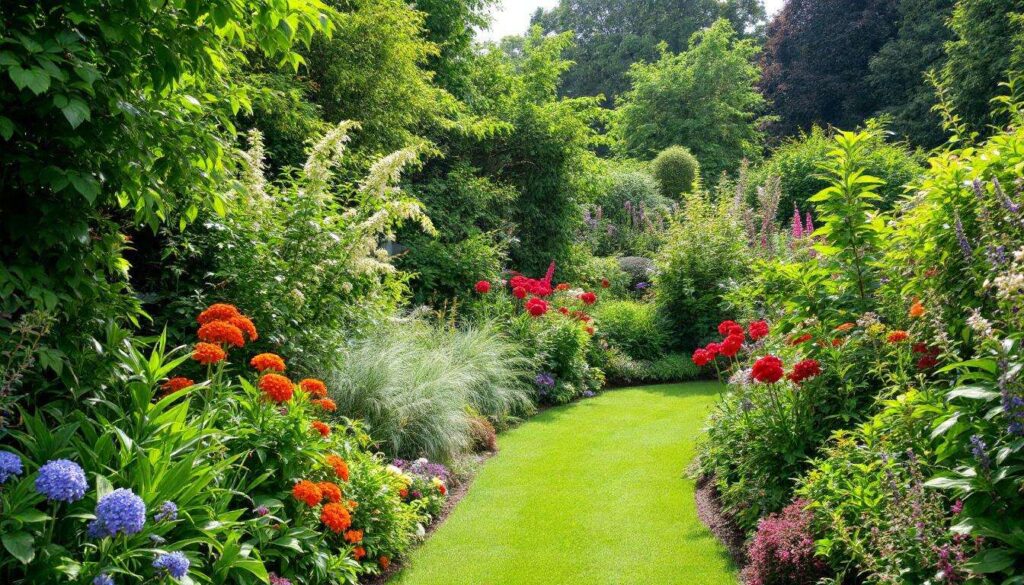
Creating ecologically sound gardens enhances biodiversity while maintaining aesthetic appeal. Effective strategies include:
- Planting diverse native species supporting various wildlife
- Creating layered vegetation from ground covers to trees
- Incorporating water features with native aquatic plants
- Avoiding chemical pesticides and fertilizers
- Leaving seed heads and plant stems through winter
These approaches transform gardens into ecological havens benefiting birds, insects, and small mammals. Native plants require less maintenance once established, adapting naturally to local climate and soil conditions.
Resources for sustainable gardening
Numerous organizations provide guidance on environmentally responsible plant selection. The Royal Horticultural Society maintains databases of suitable alternatives to invasive species. Wildlife trusts offer regional advice on native plants thriving in specific areas. Local garden centers increasingly stock native species, making sustainable choices convenient and accessible for all gardeners.
Plant bans protect British ecosystems from aggressive invaders threatening native biodiversity and causing extensive environmental damage. The prohibited list includes species like Japanese knotweed, giant hogweed, and various aquatic plants that disrupt natural habitats and pose health risks. Property owners face legal obligations to prevent spread and properly remove banned plants from their land. Fortunately, numerous native alternatives provide beauty and ecological benefits, supporting wildlife while complying with environmental regulations. Choosing appropriate plants creates sustainable gardens that enhance rather than harm local ecosystems.