



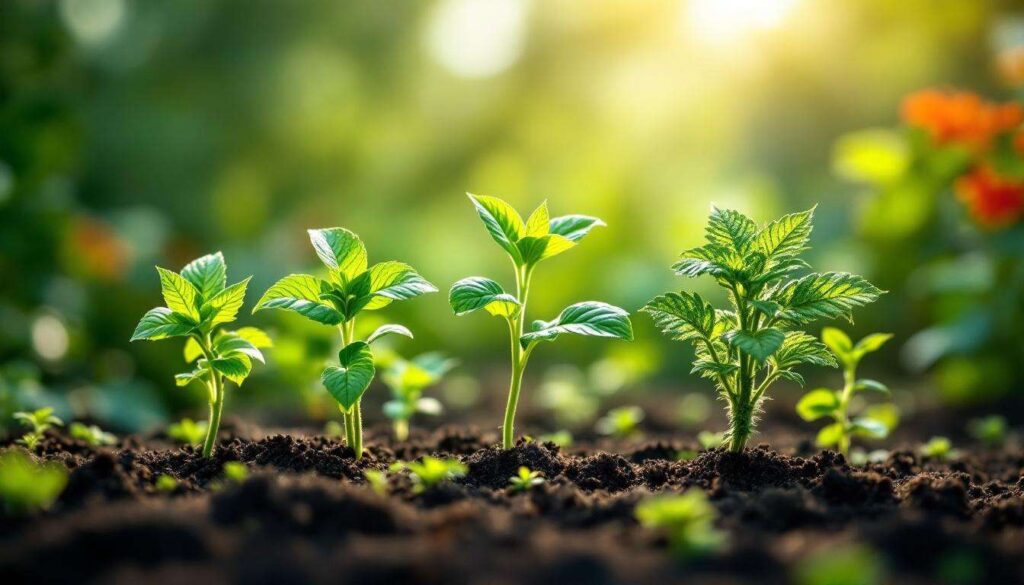
Gardening requires patience, but not everyone has the luxury of waiting months or years to see results. For those who crave immediate gratification and visible progress, fast-growing plants offer an ideal solution. These botanical speed demons transform bare spaces into lush landscapes in record time, providing instant color, privacy, and structure to outdoor areas. Whether establishing a new garden from scratch or filling gaps in existing beds, rapid-growth varieties deliver impressive results without the prolonged waiting period associated with traditional plantings.
The advantages of fast-growing plants
Immediate visual impact and satisfaction
Fast-growing plants provide instant gratification that keeps gardeners motivated and engaged. Unlike slow-maturing species that take years to establish, these vigorous growers produce noticeable changes within weeks. This rapid development creates a sense of accomplishment and encourages continued gardening efforts, particularly beneficial for beginners who might otherwise become discouraged.
Cost-effective landscaping solutions
Choosing quick-growing varieties presents significant financial advantages for budget-conscious gardeners. Rather than purchasing expensive mature specimens, you can invest in smaller, younger plants that reach impressive sizes within a single season. This approach allows for:
- Lower initial investment in plant material
- Reduced transportation and installation costs
- Opportunity to purchase more varieties within the same budget
- Flexibility to experiment with different species
Practical applications in modern gardens
Beyond aesthetics, fast-growing plants serve functional purposes that address common landscaping challenges. They quickly establish privacy screens, block unsightly views, reduce noise pollution, and create windbreaks. For urban gardeners dealing with limited space, vertical growers like climbing vines maximize planting areas without requiring extensive square footage.
| Benefit | Timeline | Application |
|---|---|---|
| Privacy screening | 3-6 months | Boundary definition |
| Ground coverage | 6-8 weeks | Erosion control |
| Vertical growth | 8-12 weeks | Space maximization |
These practical benefits make rapid-growth species particularly valuable, but success depends heavily on choosing varieties suited to your specific growing conditions.
Selecting varieties suitable for the climate
Understanding hardiness zones and microclimates
Climate compatibility determines whether fast-growing plants will thrive or struggle in your garden. Hardiness zones provide essential guidance, but microclimates within your property create unique growing conditions. South-facing walls retain heat, while low-lying areas collect frost. Observing these variations helps identify which species will perform best in different garden sections.
Matching plants to regional conditions
Different regions demand different approaches to plant selection. Temperature extremes, rainfall patterns, and seasonal variations all influence which fast-growing varieties succeed. Coastal gardens tolerate salt spray but face wind challenges, while inland areas experience greater temperature fluctuations. Researching plants native to similar climates increases success rates significantly.
Evaluating soil and sun requirements
Beyond temperature considerations, soil composition and light exposure critically impact growth rates. Fast-growing plants typically demand:
- Well-draining soil with adequate organic matter
- Appropriate pH levels for nutrient absorption
- Sufficient sunlight matching species requirements
- Consistent moisture availability during establishment
Testing soil conditions before planting prevents disappointing results and wasted resources. Once you’ve selected climate-appropriate varieties, proper care techniques ensure they reach their full potential quickly.
Essential care for optimal growth
Proper watering techniques for rapid development
Water management proves crucial for accelerating plant growth without causing problems. Fast-growing species require consistent moisture, especially during establishment, but overwatering leads to root rot and disease. Deep, infrequent watering encourages robust root systems that support vigorous top growth. Morning irrigation reduces fungal issues while ensuring plants have adequate moisture throughout the day.
Fertilization strategies for maximum growth
Rapid growth demands substantial nutrients, making strategic fertilization essential. Balanced formulations provide nitrogen for foliage, phosphorus for root development, and potassium for overall health. Organic options like compost and aged manure release nutrients gradually, while synthetic fertilizers offer immediate availability. Application timing matters: feeding during active growth periods maximizes effectiveness, while avoiding fertilization during dormancy prevents waste and potential damage.
Pruning and maintenance requirements
Fast-growing plants often require regular pruning to maintain desired shapes and sizes. Strategic trimming:
- Encourages bushier, fuller growth patterns
- Prevents plants from becoming leggy or sparse
- Removes damaged or diseased material promptly
- Controls size in confined spaces
- Directs energy toward productive growth
| Maintenance Task | Frequency | Primary Benefit |
|---|---|---|
| Watering | 2-3 times weekly | Sustained growth |
| Fertilizing | Monthly during season | Nutrient supply |
| Pruning | As needed | Shape control |
While proper care accelerates growth, certain common mistakes can undermine even the best maintenance efforts.
Mistakes to avoid with fast-growing plants
Overcrowding and spacing issues
Enthusiasm for quick results often leads gardeners to plant too densely, creating competition for resources. Fast-growing species quickly fill available space, and insufficient spacing causes poor air circulation, increased disease susceptibility, and stunted development. Following recommended spacing guidelines, even when plants initially appear sparse, prevents future problems and ensures each specimen reaches its full potential.
Neglecting root system considerations
Rapid above-ground growth sometimes masks inadequate root development. Shallow root systems cannot support tall, heavy plants, leading to toppling during storms or drought stress during dry periods. Encouraging deep rooting through proper watering techniques and avoiding frequent shallow irrigation creates stable, resilient plants capable of sustaining their vigorous growth.
Ignoring invasive tendencies
Some fast-growing plants achieve their speed through aggressive spreading, potentially becoming invasive problems. Before planting, research each species’ behavior in your region. Contain potentially problematic plants using:
- Physical barriers like root guards or containers
- Regular monitoring and removal of unwanted spread
- Strategic placement away from natural areas
- Alternative selections with similar benefits but less aggressive habits
Avoiding these pitfalls sets the stage for selecting specific varieties that deliver outstanding performance.
The best plants for a flourishing garden quickly
Annual flowers for instant color
Sunflowers and zinnias top the list for rapid-flowering annuals, producing blooms within 60 days of planting. Marigolds and cosmos follow closely, offering continuous color throughout the growing season. These varieties germinate quickly from seed, making them economical choices for large areas requiring immediate impact.
Perennials with impressive first-year growth
Black-eyed Susans and Russian sage establish quickly while returning year after year. Daylilies and hostas fill spaces rapidly, with many varieties reaching mature size within their first season. These perennials combine fast establishment with long-term value, eliminating the need for annual replanting.
Shrubs and vines for structure and coverage
Forsythia and butterfly bush provide substantial shrub presence within months, while clematis and morning glory vines climb vertical surfaces at remarkable speeds. Bamboo species, though requiring careful management, create privacy screens faster than virtually any alternative.
| Plant Type | Growth Rate | Best Use |
|---|---|---|
| Sunflowers | 6-8 feet in 90 days | Vertical accent |
| Morning glory | 10-15 feet per season | Screening |
| Forsythia | 2-4 feet annually | Hedge formation |
Selecting appropriate species provides the foundation, but expert techniques elevate results from good to exceptional.
Expert tips for spectacular results
Soil preparation techniques
Professional gardeners emphasize thorough soil preparation before planting. Incorporating organic matter, loosening compacted areas, and ensuring proper drainage create ideal conditions for rapid root establishment. Testing and amending pH levels optimizes nutrient availability, while adding mycorrhizal fungi enhances root efficiency and accelerates growth rates significantly.
Strategic companion planting
Pairing fast-growing plants with complementary species maximizes garden productivity. Nitrogen-fixing legumes improve soil fertility for neighboring plants, while deep-rooted varieties bring nutrients to the surface for shallow-rooted companions. Tall, quick-growing plants provide shade for heat-sensitive species, creating beneficial microclimates within garden beds.
Seasonal timing for maximum advantage
Planting at optimal times dramatically affects growth rates. Cool-season species planted in early spring or fall avoid heat stress, while warm-season varieties thrive when soil temperatures rise. Starting seeds indoors extends growing seasons, giving plants a head start before outdoor conditions become favorable.
Fast-growing plants transform gardens from empty spaces to lush landscapes with remarkable speed. By selecting climate-appropriate varieties, providing proper care, avoiding common mistakes, and implementing expert techniques, even novice gardeners achieve impressive results. These vigorous growers offer immediate satisfaction, practical benefits, and cost-effective solutions for creating beautiful outdoor spaces. Whether seeking privacy screens, colorful displays, or structural elements, rapid-growth species deliver the instant gratification that makes gardening rewarding from the very beginning.