



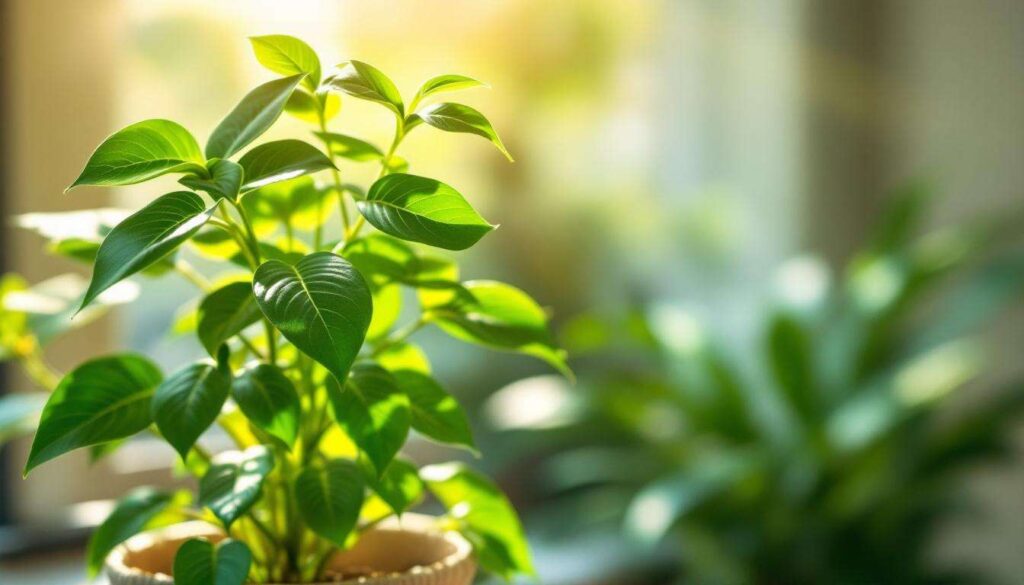
Gardeners and plant enthusiasts are experiencing an unprecedented rush as spring approaches, seeking specific botanical specimens believed to bring renewal and prosperity. This phenomenon reflects a blend of ancient traditions and modern wellness practices, where greenery serves purposes beyond mere decoration. The selection of particular plants has become a ritual for many households, combining horticultural knowledge with symbolic meaning to welcome positive energy into living spaces.
The craze for lucky plants: a growing trend
Historical roots meet contemporary lifestyle
The fascination with plants associated with good fortune stems from centuries-old practices across multiple cultures. Ancient civilizations recognized certain species as harbingers of prosperity, health, and renewal. Today’s gardeners are rediscovering these traditions, integrating them into modern interior design and gardening practices. The resurgence reflects a broader interest in natural remedies and sustainable living, where plants serve functional and symbolic roles simultaneously.
Social media amplification
Digital platforms have accelerated the popularity of lucky plants through visual storytelling and shared experiences. Plant enthusiasts document their collections, creating communities centered around botanical symbolism. This visibility has transformed niche horticultural interests into mainstream trends, with specific species experiencing dramatic increases in demand. The following factors contribute to this phenomenon:
- Influencer endorsements showcasing plant arrangements
- Viral content featuring plant care routines and benefits
- Online marketplaces facilitating access to rare specimens
- Educational content explaining cultural significance
Economic indicators of the trend
| Year | Market Growth | Popular Species |
|---|---|---|
| 2021 | 18% | Jade plants, bamboo |
| 2022 | 24% | Money trees, orchids |
| 2023 | 31% | Peace lilies, snake plants |
These statistics demonstrate the sustained interest in botanical specimens linked to prosperity and renewal, with nurseries reporting consistent inventory challenges during peak seasons. The market expansion reflects both aesthetic preferences and deeper psychological connections people seek with their living environments.
The benefits of plants for renewal and luck
Psychological advantages of plant ownership
Beyond cultural symbolism, plants offer measurable benefits to mental health and emotional well-being. The act of nurturing living organisms creates routine and purpose, particularly valuable during transitional periods. Studies indicate that indoor greenery reduces stress hormones, improves mood stability, and enhances cognitive function. The symbolic association with renewal reinforces these effects, creating a placebo-enhanced benefit where belief systems amplify physiological responses.
Environmental improvements
Lucky plants frequently possess air-purifying qualities that contribute to healthier indoor environments. Species such as snake plants and peace lilies filter toxins, regulate humidity, and increase oxygen levels. These tangible benefits complement their symbolic meanings, offering practical justification for their presence. The dual functionality appeals to both traditional believers and science-minded individuals seeking evidence-based home improvements.
Cultural and spiritual dimensions
Different traditions attribute specific meanings to particular plants, creating a rich tapestry of botanical symbolism:
- Bamboo represents flexibility and resilience in Asian cultures
- Jade plants symbolize financial prosperity and growth
- Basil offers protection and purification in Mediterranean traditions
- Orchids signify refinement and fertility across multiple societies
Understanding these associations helps individuals select plants that resonate with personal values and cultural backgrounds, making the practice more meaningful and intentional. This connection between plant selection and individual identity strengthens the psychological benefits associated with their presence.
Choosing plants: which species to favor
Top candidates for beginners
Selecting appropriate species requires balancing symbolic significance with practical care requirements. Money trees (Pachira aquatica) rank among the most popular choices, combining ease of maintenance with strong associations to financial abundance. Their braided trunks and glossy leaves make them visually appealing while tolerating various light conditions. Similarly, lucky bamboo (Dracaena sanderiana) thrives in water or soil, requiring minimal attention while representing good fortune.
Advanced options for experienced gardeners
Those with established horticultural skills might consider more demanding specimens that offer enhanced symbolic value. Orchids require precise humidity and temperature control but represent luxury and spiritual growth. Bonsai trees demand years of patient cultivation, embodying the principles of patience and harmony with nature. These challenging plants reward dedicated care with profound aesthetic and symbolic satisfaction.
Matching plants to specific intentions
| Intention | Recommended Plant | Care Level |
|---|---|---|
| Financial prosperity | Jade plant | Easy |
| Health and vitality | Aloe vera | Easy |
| Peace and tranquility | Peace lily | Moderate |
| Love and relationships | Anthurium | Moderate |
This targeted approach allows individuals to align their plant selections with specific life goals, creating intentional living spaces that reflect personal aspirations and values.
Tips for properly maintaining lucky plants
Essential care fundamentals
Successful plant maintenance begins with understanding basic requirements: light, water, soil, and temperature. Most lucky plants prefer indirect sunlight and consistent moisture without waterlogging. Overwatering remains the primary cause of plant failure, making drainage crucial for long-term health. Regular inspection for pests and diseases prevents minor issues from becoming catastrophic problems.
Seasonal adjustments
Plant needs fluctuate throughout the year, requiring attentive adjustments to care routines. Winter months typically demand reduced watering as growth slows and evaporation decreases. Spring triggers renewed growth, necessitating increased nutrients and potentially larger containers. Understanding these cyclical patterns ensures plants remain vibrant and symbolically potent throughout annual transitions.
Practical maintenance checklist
- Check soil moisture before watering using finger test
- Rotate plants weekly for even light exposure
- Clean leaves monthly to maximize photosynthesis
- Fertilize during growing season with balanced nutrients
- Repot annually or when roots become bound
- Prune dead foliage to encourage new growth
These straightforward practices maintain plant health while reinforcing the intentional care that amplifies their symbolic significance. The ritual of maintenance becomes meditative, offering daily opportunities for mindfulness and connection with natural cycles.
Errors to avoid to maximize benefits
Common pitfalls in plant care
Despite good intentions, many plant owners inadvertently harm their specimens through preventable mistakes. Inconsistent watering schedules create stress that weakens plants and diminishes their vitality. Placing sun-loving species in dark corners or shade-preferring plants in direct light causes gradual decline. Using inappropriate soil types prevents proper drainage or nutrient absorption, compromising root health and overall vigor.
Symbolic and placement errors
Traditional practices offer guidance on optimal plant positioning within homes. Ignoring these principles may undermine the energetic benefits practitioners seek. For example, placing money plants near bathrooms symbolically drains financial energy, while positioning them near entryways welcomes prosperity. Understanding these cultural considerations enhances the holistic experience of lucky plant ownership.
Critical mistakes to avoid
- Neglecting to research specific care requirements before purchase
- Overfeeding with excessive fertilizer causing root burn
- Ignoring early signs of pest infestation or disease
- Using decorative pots without drainage holes
- Exposing plants to temperature extremes or drafts
- Failing to quarantine new plants before introducing them to collections
Awareness of these common errors allows plant owners to establish sustainable care practices that support long-term plant health and maximize the psychological and symbolic benefits associated with their presence.
The impact of lucky plants on daily well-being
Measurable health improvements
Research consistently demonstrates that indoor plants contribute to improved physical and mental health outcomes. Environments enriched with greenery show reduced stress markers, lower blood pressure, and enhanced immune function. The biophilic connection humans maintain with nature manifests in measurable physiological responses, validating the intuitive appeal of bringing plants indoors. These benefits compound when plants carry additional symbolic meaning, as positive associations reinforce therapeutic effects.
Enhancing living spaces aesthetically and energetically
Lucky plants transform sterile environments into vibrant, personalized spaces that reflect individual values and aspirations. Their presence softens architectural elements, adds color and texture, and creates focal points that draw attention and conversation. Beyond visual appeal, many practitioners report improved energy flow and enhanced sense of harmony within plant-enriched spaces, whether attributed to psychological factors or more esoteric principles.
Building sustainable habits and routines
The responsibility of plant care establishes beneficial daily rituals that structure time and provide purpose. These routines offer opportunities for mindfulness, observation, and connection with natural processes. The gradual growth and seasonal changes plants exhibit remind caretakers of patience and cyclical renewal, valuable lessons applicable to broader life challenges and transitions.
As gardeners continue embracing plants associated with luck and renewal, they participate in ancient traditions while creating modern wellness practices. The combination of tangible environmental benefits, psychological advantages, and symbolic meaning makes these botanical companions valuable additions to contemporary living spaces. Whether motivated by cultural tradition, aesthetic preference, or evidence-based health improvements, the care and presence of lucky plants offer multiple pathways to enhanced daily well-being and intentional living.