



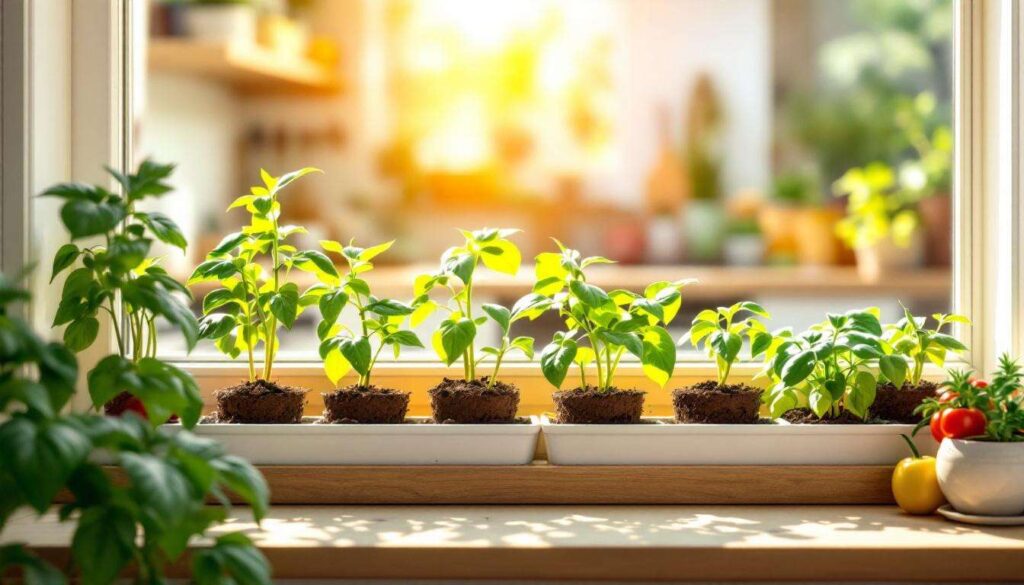
Spring gardening begins long before the last frost melts away. For gardeners eager to get a head start on the growing season, starting seeds indoors offers a strategic advantage that can transform your garden from average to exceptional. The window of opportunity in March provides ideal conditions for nurturing young plants that will eventually flourish in your outdoor beds. Whether you’re a seasoned gardener or just beginning your journey with plants, understanding which seeds to start now and how to care for them properly can make all the difference between a mediocre harvest and an abundant one.
Why start seedlings in March
The timing advantage for warm-season crops
March represents a critical window for starting seeds indoors because it aligns perfectly with the growing requirements of many popular vegetables and flowers. Most warm-season crops need six to eight weeks of indoor growth before they can safely transition outdoors after the last frost date. For gardeners in temperate zones, this timing ensures that transplants are mature enough to thrive when soil temperatures reach optimal levels in late spring.
Extending your growing season
Starting seeds indoors effectively extends your growing season by several crucial weeks. This extension becomes particularly valuable for crops with long maturation periods, such as tomatoes, peppers, and eggplants. By the time outdoor direct-sowing becomes feasible, your indoor-started plants will already have established root systems and sturdy stems, giving them a significant head start over seeds planted directly in garden beds.
Climate considerations across regions
The appropriateness of March for seed starting varies depending on your hardiness zone. Gardeners in zones 5-7 find March particularly suitable, as it positions transplants perfectly for mid-May outdoor planting. Those in warmer zones might start earlier, while colder regions may benefit from waiting until late March or early April. Understanding your local frost dates remains essential for determining the precise timing of your indoor seed-starting efforts.
Beyond timing considerations, the method of starting seeds indoors offers numerous practical advantages that make it the preferred choice for many gardeners.
The benefits of indoor seedlings
Cost savings and variety selection
Starting seeds indoors delivers substantial financial benefits compared to purchasing transplants from nurseries. A single packet of seeds typically costs less than one nursery transplant, yet contains enough seeds to grow dozens of plants. This economic advantage becomes even more pronounced when growing multiple varieties or large quantities of plants for extensive gardens.
Indoor seed starting also provides access to vastly superior variety selection. While nurseries stock only the most common cultivars, seed catalogs offer hundreds of heirloom, specialty, and unique varieties that simply aren’t available as transplants. This diversity allows gardeners to experiment with unusual flavors, colors, and growth characteristics.
Control over growing conditions
Indoor environments offer complete control over critical growing factors that influence seedling health:
- Temperature regulation ensures consistent warmth for optimal germination
- Lighting duration and intensity can be precisely managed with grow lights
- Moisture levels remain stable without weather interference
- Protection from pests, diseases, and harsh weather conditions
- Sterile growing medium reduces disease risk
Stronger, healthier transplants
Plants started indoors under controlled conditions typically develop stronger root systems and more robust growth compared to direct-sown seeds. The protected environment allows seedlings to establish themselves without competition from weeds or stress from temperature fluctuations. This early vigor translates to better performance once transplanted outdoors, with improved disease resistance and higher yields.
To capitalize on these benefits, having the right equipment makes the process significantly easier and more successful.
The necessary equipment for successful seedlings
Containers and growing medium
Proper containers form the foundation of successful seed starting. Options include seed-starting trays with individual cells, biodegradable peat pots, or recycled containers with drainage holes. The key requirement is adequate drainage to prevent waterlogging, which can cause damping-off disease. Cell sizes should match seed requirements, with larger cells for big seeds like squash and smaller cells for tiny seeds like lettuce.
The growing medium deserves careful attention. Standard garden soil is too heavy and may harbor pathogens. Instead, use a sterile seed-starting mix composed of peat moss or coconut coir, vermiculite, and perlite. These lightweight mixtures provide excellent drainage while retaining appropriate moisture levels for germination.
Lighting requirements
Adequate lighting represents the most critical factor for preventing leggy, weak seedlings. While a south-facing window might seem sufficient, it rarely provides enough light intensity for optimal growth. Full-spectrum LED grow lights or fluorescent shop lights positioned 2-3 inches above seedlings deliver the necessary light levels. Seedlings typically require 14-16 hours of light daily, easily managed with an inexpensive timer.
Temperature and humidity control
Most seeds germinate best at temperatures between 65-75°F. Heat mats placed under seed trays provide consistent bottom heat that accelerates germination. Once seedlings emerge, slightly cooler temperatures of 60-70°F promote stockier growth. A simple thermometer helps monitor conditions, while humidity domes or plastic wrap retain moisture during the germination phase.
| Equipment | Purpose | Approximate Cost |
|---|---|---|
| Seed trays with cells | Container for growing | $5-15 |
| Seed-starting mix | Growing medium | $10-20 |
| Grow lights | Adequate illumination | $25-100 |
| Heat mat | Temperature control | $20-40 |
| Watering can with fine rose | Gentle watering | $10-25 |
With the proper equipment assembled, you can focus on selecting which vegetables will provide the best returns on your indoor growing efforts.
Vegetable seeds to sow in March
Tomatoes: the garden staple
Tomatoes top the list of vegetables to start indoors in March. With germination taking 5-10 days and transplants needing 6-8 weeks of indoor growth, March timing positions them perfectly for outdoor planting after frost danger passes. Choose from determinate varieties for compact growth or indeterminate types for continuous production. Popular varieties like ‘Brandywine’, ‘Cherokee Purple’, and ‘Sun Gold’ offer flavors far superior to grocery store options.
Peppers: sweet and hot varieties
Both bell peppers and hot peppers require even longer indoor growing periods than tomatoes, making March starting essential. Peppers germinate slowly, often taking 10-14 days, and benefit from 8-10 weeks of indoor growth. Heat mats significantly improve germination rates. Varieties range from sweet ‘California Wonder’ bells to fiery ‘Habanero’ and ‘Ghost’ peppers for those seeking intense heat.
Brassicas for early harvest
Cool-season brassicas started in March can be transplanted outdoors earlier than warm-season crops:
- Broccoli develops best with 4-6 weeks indoor growth
- Cabbage benefits from similar timing for early summer harvest
- Cauliflower requires careful temperature management to prevent premature heading
- Brussels sprouts need the longest season and appreciate early starting
Additional vegetable options
March also suits starting eggplant, which requires warm conditions and 8-10 weeks indoors. Leeks benefit from early starting despite being cold-hardy, as they need a long growing season to develop substantial size. Celery and celeriac, both slow-growing crops, also perform better when started indoors during March.
While vegetables often receive primary attention, flowers started indoors during March can create spectacular garden displays.
Flower seeds perfect for indoor starting
Annual flowers for continuous color
Several popular annual flowers thrive when started indoors in March. Petunias, though tiny-seeded, develop into prolific bloomers when given 10-12 weeks of indoor growth. Impatiens provide reliable color for shaded areas and need 8-10 weeks before transplanting. Snapdragons tolerate cool conditions and can move outdoors earlier than many annuals, making them ideal March candidates.
Long-season perennials
Some perennials bloom their first year when started early enough. Delphinium seeds benefit from March starting to achieve summer blooms, though they require cold stratification before sowing. Coneflowers (Echinacea) germinate slowly and appreciate the extended indoor period. Yarrow establishes well from March-started seeds, creating long-lasting perennial plantings.
Specialty flowers worth the effort
Certain flowers deliver exceptional results when started indoors:
- Zinnias grow quickly but benefit from indoor starting in shorter-season climates
- Cosmos can be direct-sown but indoor starting provides earlier blooms
- Marigolds develop rapidly indoors and transplant easily
- Alyssum creates fragrant borders and germinates readily indoors
Successfully starting these seeds requires more than just planting them and providing light; specific practices significantly improve outcomes.
Tips to optimize the growth of your seedlings
Proper watering techniques
Watering represents one of the most common challenges in seed starting. Overwatering causes damping-off disease, while underwatering stresses young plants. Water from below by placing trays in shallow water, allowing capillary action to moisten the soil without disturbing seeds. Once seedlings emerge, water when the soil surface feels dry, using room-temperature water to avoid shocking tender roots.
Fertilization timing and methods
Seedlings grown in soilless mix require supplemental nutrition once true leaves appear. Seed-starting mixes contain minimal nutrients, making fertilization essential for continued growth. Use a diluted liquid fertilizer at quarter-strength weekly, or half-strength every two weeks. Avoid over-fertilizing, which produces weak, leggy growth susceptible to disease.
Hardening off for successful transplanting
The transition from indoor to outdoor conditions requires gradual acclimatization called hardening off. Begin the process 7-10 days before transplanting by placing seedlings outdoors in a sheltered location for a few hours. Gradually increase exposure time and sun intensity over the week. This process strengthens cell walls and prepares plants for outdoor temperature fluctuations, wind, and direct sunlight.
Managing common problems
Several issues commonly affect indoor seedlings:
- Leggy growth indicates insufficient light; lower lights closer to plants
- Yellowing leaves suggest nutrient deficiency requiring fertilization
- Damping-off disease requires improved air circulation and reduced watering
- Slow germination may need warmer temperatures or fresher seeds
Starting seeds indoors in March opens possibilities for creating an abundant, diverse garden filled with vegetables and flowers carefully selected to match your preferences. The investment in basic equipment pays dividends through years of use, while the skills developed through seed starting deepen your connection to the growing process. From the first emergence of seedlings through the satisfaction of harvesting homegrown produce or cutting fresh flowers, the journey from seed to mature plant offers rewards that extend far beyond simple cost savings. With proper timing, adequate equipment, and attention to growing requirements, your March-started seeds will develop into vigorous transplants ready to thrive in your garden.