



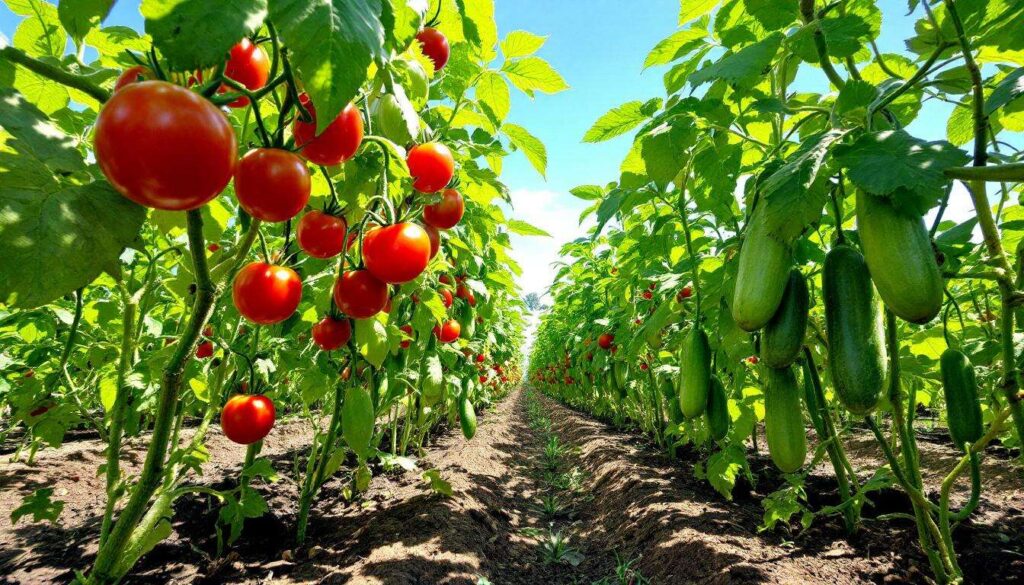
Gardening enthusiasts often face crucial decisions when planning their vegetable patches, and the placement of tomatoes and cucumbers represents one of the most debated topics among growers. While both vegetables are staples in summer gardens and share similar growing seasons, positioning them as neighbors can lead to disappointing harvests and plant health issues. Understanding the scientific reasons behind their incompatibility helps gardeners make informed choices that maximize yield and minimize disease pressure. The relationship between these two popular crops involves complex interactions affecting everything from nutrient uptake to disease transmission, making proper spacing and companion selection essential for success.
Impact on growth: competition for resources
Nutrient demands and soil depletion
Tomatoes and cucumbers both qualify as heavy feeders, requiring substantial amounts of nitrogen, phosphorus, and potassium throughout their growing cycles. When planted in close proximity, these vegetables engage in intense competition for the same soil nutrients, resulting in stunted growth and reduced productivity for both crops. Tomatoes particularly demand high levels of calcium to prevent blossom end rot, while cucumbers require consistent nitrogen for vigorous vine development and fruit production.
- Tomatoes extract significant calcium and potassium from soil
- Cucumbers consume large quantities of nitrogen for leaf and vine growth
- Both plants develop extensive root systems that overlap when planted closely
- Nutrient deficiencies manifest as yellowing leaves and poor fruit development
Water requirements and root competition
The root zone competition extends beyond nutrients to include water resources. Both species develop aggressive root systems that spread laterally and vertically, creating overlapping zones where moisture becomes a contested resource. Cucumbers possess shallow, spreading roots that occupy the top soil layers, while tomato roots penetrate deeper but also maintain significant lateral spread. This configuration forces both plants to compete for available water, particularly during hot summer months when both crops experience peak water demands.
| Plant | Root Depth | Daily Water Need | Root Spread |
|---|---|---|---|
| Tomatoes | 24-36 inches | 1-2 inches per week | 18-24 inches |
| Cucumbers | 12-18 inches | 1-2 inches per week | 24-36 inches |
Beyond the physical competition for resources, these plants create environmental conditions that affect each other’s development and susceptibility to various problems.
Health problems: spread and increased risks
Shared disease vulnerabilities
Tomatoes and cucumbers share susceptibility to several fungal and bacterial diseases, making their proximity a significant risk factor for garden-wide infections. When planted together, diseases can rapidly transfer between the two species, creating an epidemic environment that compromises entire harvests. Powdery mildew, one of the most common afflictions, spreads easily between these plants through airborne spores, thriving in the humid microclimate they create together.
- Powdery mildew affects both species with white fungal growth on leaves
- Verticillium wilt can transfer through shared soil space
- Bacterial wilt spreads via cucumber beetles that visit both plants
- Anthracnose fungus attacks fruits and foliage of both crops
Pest attraction and infestation cycles
The combination of tomatoes and cucumbers creates a pest magnet effect in gardens. Aphids, whiteflies, and spider mites find both plants equally attractive, establishing populations that move freely between hosts. Cucumber beetles, particularly devastating to cucurbit crops, often use tomato plants as temporary shelter, increasing their presence in the area. This concentration of pests in a confined space accelerates reproduction cycles and makes control measures less effective, as treating one plant type still leaves pests with alternative hosts nearby.
The physical structure and growth patterns of these plants further complicate their cohabitation in garden spaces.
Managing shade: effects on photosynthesis
Light competition and canopy interference
Tomato plants, especially indeterminate varieties, develop tall, dense canopies that cast substantial shade over surrounding areas. Cucumbers, whether bush or vining types, require full sun exposure for optimal photosynthesis and fruit production. When tomatoes overshadow cucumber plants, the reduced light intensity diminishes the cucumbers’ ability to produce energy through photosynthesis, resulting in weak vines, poor flowering, and minimal fruit set.
Air circulation and humidity problems
The dense foliage created by combining these two vigorous growers restricts air movement around plant surfaces. Poor air circulation creates pockets of high humidity that persist even during sunny weather, establishing ideal conditions for fungal diseases. Cucumber leaves, naturally broad and moisture-retentive, compound this problem by trapping humidity beneath tomato canopies. The resulting microclimate promotes rapid disease development and reduces the effectiveness of natural drying processes that normally limit pathogen growth.
| Condition | Optimal Range | Combined Planting Effect |
|---|---|---|
| Light Exposure | 6-8 hours direct sun | Reduced by 30-50% |
| Air Movement | Moderate breeze | Significantly restricted |
| Humidity Level | 40-60% | Elevated to 70-80% |
Understanding these spacing challenges leads naturally to exploring proper distance requirements for successful cultivation.
Optimal planting spacing
Recommended distances between crops
Professional horticulturists recommend maintaining a minimum separation of 4-6 feet between tomato and cucumber plantings to minimize negative interactions. This distance allows each crop’s root system to establish without significant overlap and provides adequate air circulation between different plant types. For smaller gardens where space is limited, using physical barriers such as trellises or other tall crops between tomatoes and cucumbers can help mitigate some competitive effects.
Row and bed configuration strategies
Strategic garden layout maximizes productivity while respecting each plant’s requirements. Dedicating separate beds or rows to tomatoes and cucumbers allows for customized care regimens, including different fertilization schedules and pest management approaches. When planning garden layouts, position cucumber beds on the eastern or southern side of tomato plantings to ensure cucumbers receive morning and midday sun before any afternoon shading occurs.
- Allocate separate irrigation zones for precise water management
- Create buffer zones using compatible companion plants
- Position taller tomato varieties on the north side of garden spaces
- Use vertical growing systems to maximize space without increasing competition
With proper spacing established, selecting beneficial companion plants becomes the next priority for garden success.
Best practices: companion alternatives
Beneficial companions for tomatoes
Tomatoes thrive alongside basil, marigolds, and carrots, which provide mutual benefits without competing for resources. Basil enhances tomato flavor while repelling aphids and whiteflies through its aromatic compounds. Marigolds deter nematodes and other soil-borne pests with their root exudates. Carrots occupy deeper soil layers than tomato feeder roots, minimizing competition while their presence helps aerate the soil structure.
Ideal partners for cucumbers
Cucumbers benefit from proximity to radishes, beans, and nasturtiums. Radishes serve as trap crops for cucumber beetles while their quick maturation allows harvest before cucumbers need the space. Bush beans fix nitrogen in soil, providing this essential nutrient for cucumber growth without direct competition. Nasturtiums act as living mulch, suppressing weeds and deterring aphids while their sprawling habit doesn’t interfere with cucumber vine development.
| Main Crop | Best Companions | Primary Benefits |
|---|---|---|
| Tomatoes | Basil, Marigolds, Carrots | Pest control, flavor enhancement, soil improvement |
| Cucumbers | Radishes, Beans, Nasturtiums | Nitrogen fixation, pest diversion, weed suppression |
Rotation and succession planning
Implementing crop rotation strategies prevents soil depletion and disease buildup over multiple growing seasons. Avoid planting tomatoes or cucumbers in the same location where either crop grew during the previous year. Instead, rotate these heavy feeders with nitrogen-fixing legumes or light-feeding crops like lettuce to restore soil fertility naturally. This practice breaks pest and disease cycles while maintaining long-term garden productivity.
Successful vegetable gardening requires understanding the complex relationships between different plant species and respecting their individual requirements. The incompatibility between tomatoes and cucumbers stems from their competition for identical resources, shared disease vulnerabilities, and problematic microclimate creation when grown in close proximity. Maintaining adequate spacing of 4-6 feet between these crops, selecting appropriate companion plants, and implementing thoughtful garden layouts ensures both vegetables reach their full productive potential. By recognizing these plants as poor neighbors and planning accordingly, gardeners can achieve abundant harvests of both crops while minimizing disease pressure and resource competition throughout the growing season.