



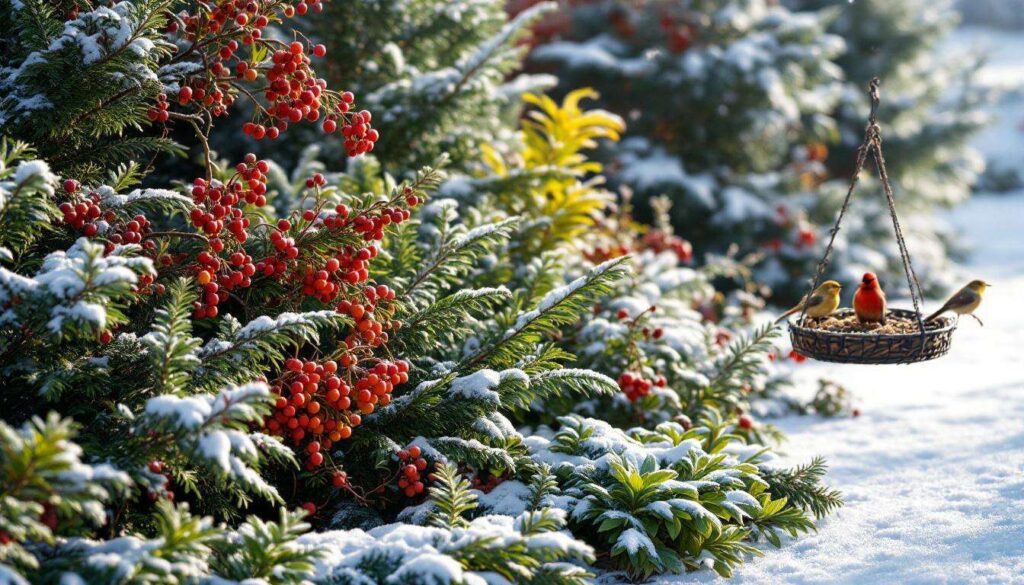
Winter transforms your garden into a dormant landscape, but this quiet season offers the perfect opportunity to prepare for spring’s vibrant return. The work you accomplish during these colder months directly determines the health and beauty of your outdoor space when warmer weather arrives. Strategic winter gardening tasks ensure your plants survive harsh conditions while setting the foundation for spectacular blooms and lush growth in the coming season.
Prepare the ground for winter
Clear debris and fallen leaves
Removing accumulated organic matter from your garden beds prevents disease proliferation and pest infestations during winter months. Dead leaves and plant debris create ideal environments for harmful fungi and bacteria that attack vulnerable plants when temperatures drop. A thorough clearing also allows you to assess the current state of your soil and identify areas requiring improvement.
- Rake all fallen leaves from lawn areas and garden beds
- Remove dead annual plants and diseased vegetation
- Cut back perennials according to species-specific requirements
- Collect and dispose of any rotting fruit or vegetables
Enrich soil with organic amendments
Winter provides an excellent window for soil improvement activities that enhance nutrient availability for spring planting. Adding compost, aged manure, or other organic materials allows these amendments to break down slowly throughout winter, creating a rich growing medium. The freeze-thaw cycles naturally incorporate these materials into the soil structure, improving both drainage and water retention.
| Amendment Type | Application Rate | Primary Benefit |
|---|---|---|
| Compost | 2-3 inches | Nutrient balance |
| Aged manure | 1-2 inches | Nitrogen boost |
| Leaf mold | 2-4 inches | Moisture retention |
Once your soil receives proper amendments, protecting the plants themselves becomes the next critical consideration.
Protect your plants from bad weather
Install protective barriers and covers
Vulnerable plants require physical protection from winter’s harshest elements including freezing winds, heavy snow, and ice accumulation. Protective measures vary depending on plant species, but the investment in proper covering systems pays dividends when spring arrives. Burlap wraps, frost blankets, and specialized plant covers shield delicate foliage and branches from damage.
- Wrap evergreen shrubs with burlap to prevent winter burn
- Cover tender perennials with frost blankets during extreme cold snaps
- Build wooden frames around boxwoods and other formal plantings
- Apply anti-desiccant spray to broadleaf evergreens
Mulch strategically for insulation
A thick layer of organic mulch acts as an insulating blanket that moderates soil temperature fluctuations and protects root systems from freeze damage. The key to effective winter mulching lies in timing and technique rather than simply piling material around plants. Wait until the ground freezes before applying heavy mulch to prevent rodents from nesting in the warm material.
Apply 3-4 inches of shredded bark, straw, or pine needles around the base of trees, shrubs, and perennial beds. Keep mulch several inches away from plant stems and tree trunks to prevent rot and disease. This protective layer maintains consistent soil moisture levels and prevents the damaging effects of repeated freezing and thawing cycles.
With plants properly protected, you can turn your attention to reimagining the layout and structure of your garden space.
Organize the space for new plantings
Design and map future garden beds
Winter’s bare landscape reveals the true structure of your garden, making this season ideal for planning expansions and modifications. Take advantage of this clarity to sketch new bed designs, identify sunny and shaded areas, and determine optimal locations for different plant types. Consider traffic flow, viewing angles from windows, and the mature size of planned additions.
Edge existing beds and create new borders
Defining garden bed edges during winter establishes clean boundaries that simplify spring planting and maintenance. Metal, stone, or plastic edging installed now prevents grass encroachment and creates professional-looking definition. The frozen or firm winter ground often makes edging installation easier than working in muddy spring conditions.
- Install permanent edging materials along pathways and lawn borders
- Mark out new bed locations with stakes and string
- Remove sod from areas designated for expansion
- Create raised bed frames for improved drainage
As you finalize spatial arrangements, establishing a dedicated area for winter rest and storage ensures garden longevity.
Set up a winter resting area
Create shelter for container plants
Container gardens require special winter accommodations since their exposed root systems face greater freeze risk than in-ground plantings. Moving pots to protected locations prevents cracking and root damage while maintaining plant health. An unheated garage, covered porch, or dedicated cold frame provides adequate protection for most containerized plants.
Group containers together in sheltered spots to create microclimate benefits where plants share warmth and humidity. Wrap valuable containers in bubble wrap or burlap for additional insulation. Elevate pots slightly off the ground using bricks or pot feet to ensure proper drainage and prevent freeze damage to container bottoms.
Organize tool and supply storage
A well-organized storage area protects gardening investments and streamlines spring preparation. Clean, dry, and properly stored tools last significantly longer than those left exposed to winter weather. Designate specific storage zones for different categories of equipment, supplies, and seasonal decorations.
| Storage Zone | Items | Protection Method |
|---|---|---|
| Tool rack | Shovels, rakes, hoes | Clean, oil, hang |
| Shelf system | Pots, fertilizers, seeds | Sort, label, organize |
| Covered bins | Hoses, netting, stakes | Coil, bundle, store dry |
Proper storage naturally leads to the maintenance tasks that keep equipment functioning reliably.
Plan garden equipment maintenance
Service power tools and machinery
Winter downtime offers the perfect opportunity for comprehensive equipment maintenance that prevents spring breakdowns. Lawn mowers, tillers, and other power equipment require specific winterization procedures to ensure reliable performance when gardening season resumes. Clean fuel systems, change oil, replace filters, and sharpen blades while you have time to work methodically.
- Drain or stabilize fuel in all gas-powered equipment
- Sharpen and balance mower blades for clean cuts
- Replace spark plugs and air filters as needed
- Lubricate moving parts and check belt tension
- Charge or properly store batteries from electric tools
Clean and repair hand tools
Hand tools deserve the same attention as power equipment to maintain optimal functionality and longevity. Remove rust, sharpen cutting edges, and tighten loose handles during winter months. Apply a light coat of oil to metal surfaces to prevent corrosion, and sand wooden handles smooth to prevent splinters during intensive spring use.
With equipment ready for action, you can focus on the forward-looking task of starting next season’s plants.
Anticipate spring arrival with seedlings
Start seeds indoors for early transplants
Beginning seed propagation during late winter gives plants a significant head start on the growing season. Many vegetables, flowers, and herbs require 6-8 weeks of indoor growth before transplanting outdoors. Setting up a simple indoor growing station with proper lighting and temperature control produces vigorous seedlings ready to thrive when conditions permit outdoor planting.
Select varieties suited to your climate zone and calculate backward from your last expected frost date to determine optimal starting times. Use sterile seed-starting mix, provide adequate light through grow lamps or sunny windows, and maintain consistent moisture without overwatering. Label all containers clearly to track varieties and planting dates.
Order seeds and plan crop rotation
Reviewing seed catalogs and placing orders during winter ensures access to desired varieties before popular selections sell out. This planning phase also allows you to design crop rotation schemes that prevent soil depletion and reduce disease pressure. Map out which vegetables will occupy specific beds based on their nutrient requirements and family groupings.
- Research new varieties suited to your growing conditions
- Order heirloom and specialty seeds early
- Plan succession plantings for continuous harvests
- Rotate crop families to different beds annually
- Calculate seed quantities based on bed dimensions
The effort invested in winter garden preparation creates a foundation for exceptional spring and summer results. By systematically addressing soil improvement, plant protection, spatial organization, equipment maintenance, and early seed starting, you transform dormant winter months into productive preparation time. These strategic activities ensure your garden emerges from winter rest ready to deliver the stunning outdoor space you envision, with healthy plants, fertile soil, and well-maintained tools supporting your gardening success throughout the growing season.