
Apple trees standing tall in gardens across the country often leave their caretakers puzzled when branches remain bare of fruit year after year. Despite careful watering and hopeful waiting, many gardeners find themselves staring at leafy trees that refuse to produce the crisp, juicy apples they anticipated. The frustration grows as neighbors showcase baskets overflowing with homegrown fruit while your own trees stubbornly withhold their harvest. Understanding why apple trees fail to bear fruit requires examining several critical factors, but one mistake stands out above all others as the primary culprit behind fruitless orchards.
Understanding the Basic Needs of Apple Trees
Apple trees demand specific conditions to transition from ornamental plants into productive fruit bearers. Meeting these fundamental requirements forms the foundation for successful apple cultivation and determines whether your trees will reward your efforts with abundant harvests.
Soil Requirements and Nutrient Balance
The soil beneath your apple trees plays a critical role in their ability to produce fruit. Apple trees thrive in well-draining soil with a pH level between 6.0 and 7.0. Heavy clay soils that retain excessive moisture can suffocate roots and prevent proper nutrient absorption, while sandy soils may drain too quickly and fail to retain essential minerals.
- Test soil pH annually using home testing kits or professional laboratory analysis
- Amend acidic soils with agricultural lime to raise pH levels
- Incorporate organic matter such as compost to improve soil structure
- Apply balanced fertilizers containing nitrogen, phosphorus, and potassium
- Avoid over-fertilizing, which promotes leaf growth at the expense of fruit production
Water Requirements Throughout the Growing Season
Consistent moisture availability determines fruit set and development. Apple trees require approximately one to two inches of water weekly during the growing season, with increased needs during fruit development. Drought stress during critical periods causes trees to abort developing fruit as a survival mechanism, while waterlogged conditions promote root diseases that compromise overall tree health.
Sunlight Exposure Needs
Apple trees are sun-loving plants that require full sunlight exposure to produce quality fruit. Trees planted in shaded locations or crowded by competing vegetation struggle to generate the energy needed for fruit production. A minimum of six to eight hours of direct sunlight daily ensures adequate photosynthesis for both vegetative growth and fruit bearing.
Beyond these basic environmental factors, the physical placement of your apple trees within your landscape creates additional challenges that many gardeners overlook.
The Importance of Proper Location and Climate
Geographic location and microclimate conditions significantly impact whether apple trees will successfully produce fruit. Selecting appropriate varieties for your specific region represents a fundamental decision that affects long-term productivity.
Chill Hour Requirements
Apple trees require a specific period of cold temperatures, measured in chill hours, to break dormancy and set fruit properly. Chill hours accumulate when temperatures fall between 32°F and 45°F during winter months. Different apple varieties require varying amounts of chill hours.
| Apple Variety Type | Chill Hours Required | Suitable Regions |
|---|---|---|
| Low-chill varieties | 200-400 hours | Southern states, mild climates |
| Medium-chill varieties | 400-800 hours | Moderate climates, central regions |
| High-chill varieties | 800-1,200 hours | Northern states, cold climates |
Frost and Freeze Considerations
Late spring frosts pose a serious threat to fruit production even in trees that receive adequate chill hours. Apple blossoms are extremely sensitive to freezing temperatures, with damage occurring at temperatures below 28°F. Planting trees in frost pockets or low-lying areas where cold air settles increases the risk of losing entire crops to unexpected temperature drops.
Wind Protection and Air Circulation
While apple trees benefit from good air circulation that reduces disease pressure, excessive wind exposure creates problems during bloom periods. Strong winds interfere with pollinator activity and can physically damage delicate blossoms, preventing successful pollination and fruit set.
Even when trees occupy ideal locations with appropriate climate conditions, fruit production depends heavily on a biological process that represents the number one mistake gardeners make.
Pollination: a Crucial Factor for Fruit Bearing
The single biggest mistake gardeners make is planting only one apple tree. Most apple varieties cannot self-pollinate effectively and require cross-pollination from a different variety to produce fruit. This fundamental misunderstanding leaves countless apple trees standing as beautiful but barren landscape features.
Why Cross-Pollination Matters
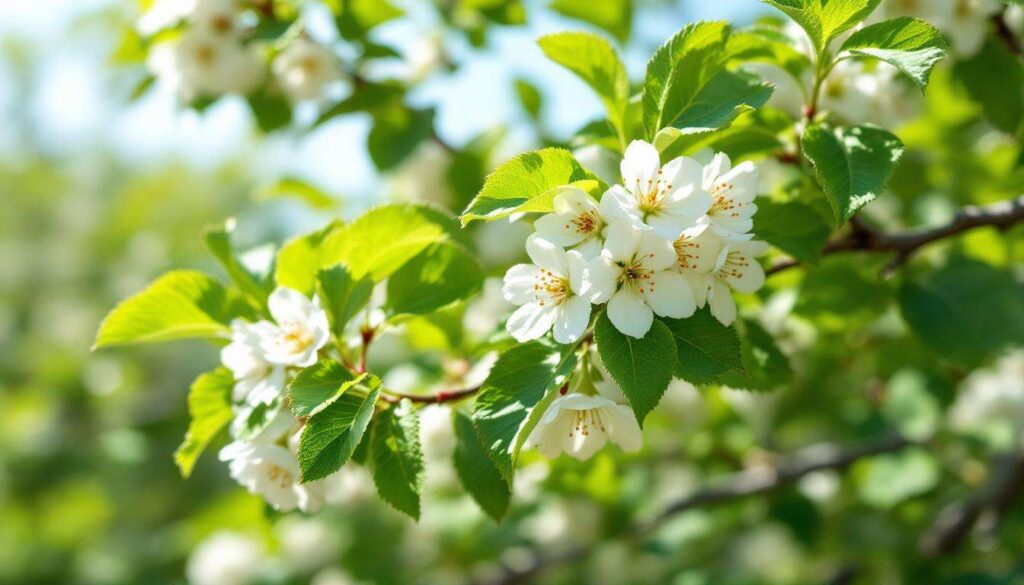
Apple trees produce flowers containing both male and female parts, yet genetic incompatibility prevents most varieties from successfully pollinating themselves. Even varieties labeled as partially self-fertile produce significantly better crops when cross-pollinated by compatible varieties. The pollen from a different apple variety triggers more complete fertilization and results in larger, better-formed fruit.
Selecting Compatible Pollinizers
Successful pollination requires careful planning when selecting apple varieties for your garden. Compatible pollinizers must bloom simultaneously and belong to different compatibility groups.
- Choose varieties with overlapping bloom periods to ensure pollen availability
- Plant at least two different varieties within 50 feet of each other
- Verify that selected varieties are not triploid types, which produce sterile pollen
- Consider bloom time charts specific to your region when making selections
- Plant multiple varieties if space permits to extend harvest season and improve pollination
The Role of Pollinators
Even with compatible varieties planted nearby, pollination depends on insect activity to transfer pollen between trees. Honeybees, native bees, and other insects visit apple blossoms and carry pollen from flower to flower. Cold, rainy, or windy weather during bloom periods reduces pollinator activity and results in poor fruit set regardless of tree compatibility.
While addressing pollination issues solves the primary obstacle to fruit production, improper tree maintenance practices create additional barriers to successful harvests.
Common Pruning and Care Mistakes
Well-intentioned gardeners often sabotage their apple trees through incorrect pruning practices and misguided care routines that prevent or reduce fruiting.
Over-Pruning and Timing Errors
Excessive pruning stimulates vigorous vegetative growth at the expense of fruit production. Apple trees produce fruit on specialized structures called spurs that develop on wood that is at least two years old. Removing too much wood eliminates these fruiting structures and forces trees to redirect energy into replacing lost branches rather than setting fruit.
Pruning at the wrong time compounds these problems. Late winter or early spring pruning performed before trees break dormancy encourages appropriate growth responses, while summer pruning or fall pruning can remove developing fruit buds and reduce next year’s crop.
Excessive Nitrogen Fertilization
Over-fertilizing with nitrogen-rich products creates lush, green trees that refuse to fruit. High nitrogen levels promote rapid shoot growth and leaf production while suppressing flower bud formation. Young trees receiving excessive nitrogen may delay fruiting for several additional years beyond their normal juvenile period.
| Tree Age | Nitrogen Application Rate | Application Timing |
|---|---|---|
| 1-3 years | 0.25-0.5 lbs per tree | Early spring |
| 4-8 years | 0.5-1.0 lbs per tree | Early spring |
| Mature trees | 1.0-1.5 lbs per tree | Split between early and late spring |
Neglecting Fruit Thinning
When trees do set fruit, many gardeners make the mistake of leaving all developing apples on the tree. Overcrowded fruit results in small, poorly developed apples and stresses trees to the point where they enter biennial bearing patterns, producing heavy crops one year and little to no fruit the following year. Proper thinning to space fruit 6 to 8 inches apart along branches promotes consistent annual production of quality apples.
Beyond cultural practices, biological threats from diseases and pests can devastate fruit production even in well-maintained trees.
Diseases and Pests Affecting Fruit Production
Various pathogens and insects target apple trees, with some specifically interfering with flowering and fruit development rather than simply damaging existing fruit.
Fire Blight Impact on Fruiting Wood
Fire blight, a bacterial disease, kills flowering spurs and shoots, eliminating fruiting wood and reducing crop potential for multiple years. The disease spreads rapidly during bloom periods when warm, humid conditions prevail. Infected branches display characteristic blackened, scorched appearances and require immediate removal to prevent further spread.
Apple Scab and Powdery Mildew
Fungal diseases like apple scab and powdery mildew weaken trees and reduce photosynthetic capacity, indirectly affecting fruit production. Severe infections cause premature leaf drop, limiting the energy available for fruit development and next year’s flower bud formation.
- Apply dormant oil sprays before bud break to reduce overwintering fungal spores
- Rake and destroy fallen leaves that harbor disease organisms
- Maintain proper spacing and pruning for air circulation
- Select disease-resistant varieties when establishing new plantings
- Monitor weather conditions and apply fungicides preventively during high-risk periods
Insect Pests Targeting Blossoms
Several insect species specifically damage apple blossoms and prevent successful fruit set. Plum curculio adults feed on developing flowers and young fruit, causing significant crop losses. Aphids colonizing new growth during bloom periods can distort flowers and interfere with pollination. Regular monitoring and appropriate pest management strategies protect critical bloom periods when fruit production is determined.
Transforming fruitless apple trees into productive members of your garden requires addressing multiple interrelated factors. The primary obstacle remains inadequate pollination due to planting single trees or incompatible varieties, but success also depends on meeting basic cultural requirements, avoiding common pruning and fertilization mistakes, and protecting trees from diseases and pests. By understanding these critical elements and taking corrective action, gardeners can finally enjoy the abundant harvests their apple trees are capable of producing.