

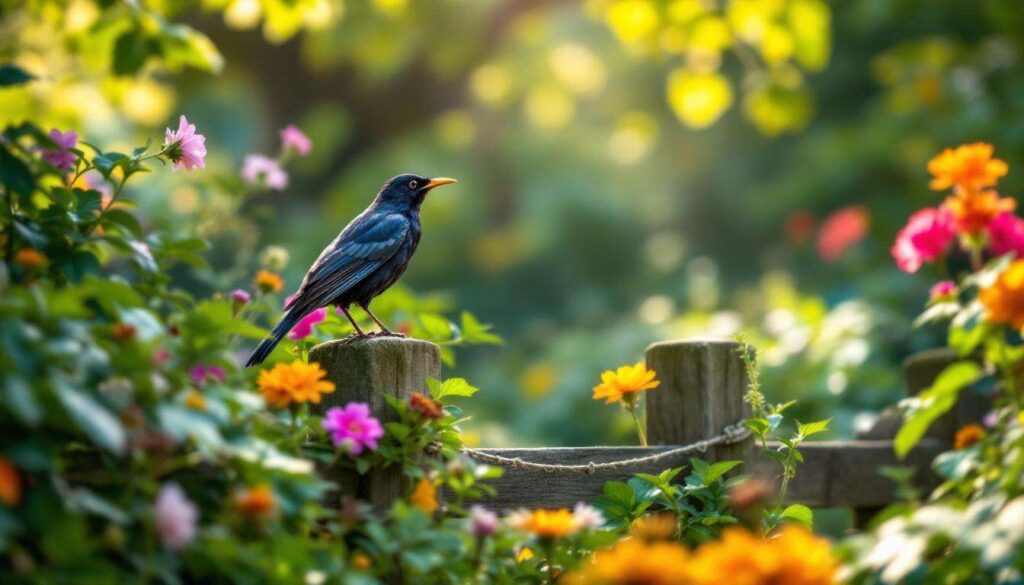
Spotting a blackbird hopping across your lawn or perched on a fence post might seem like an ordinary occurrence, but these elegant birds carry layers of meaning that extend far beyond their striking appearance. With their glossy plumage and melodious songs, blackbirds have captured human imagination for centuries, weaving themselves into folklore, spiritual beliefs, and ecological narratives. Whether you’re a seasoned birdwatcher or simply curious about the wildlife sharing your outdoor space, understanding what a blackbird’s presence signifies can deepen your appreciation for these remarkable visitors and the natural world they represent.
Cultural significance of the blackbird in the garden
Historical perspectives across different societies
Blackbirds have occupied prominent positions in cultural traditions worldwide, serving as messengers, omens, and symbols of transformation. In European folklore, particularly in Celtic traditions, the blackbird represented the gateway between the physical and spiritual realms. Ancient Celts believed these birds carried messages from the otherworld, making their appearance in gardens a potentially significant event worth noting and interpreting.
In medieval literature, blackbirds frequently appeared in poetry and song, most famously in the English nursery rhyme “Sing a Song of Sixpence.” The bird’s association with royalty and abundance in this verse reflects a broader cultural appreciation for their presence. Meanwhile, in Asian cultures, particularly in Chinese tradition, blackbirds symbolized good fortune and positive energy, with their arrival in a garden considered auspicious.
Modern interpretations and garden folklore
Contemporary garden enthusiasts continue to assign special meaning to blackbird visits. Many believe that a blackbird choosing your garden indicates:
- A healthy, balanced outdoor environment that supports wildlife
- The presence of abundant food sources and suitable habitat
- A peaceful atmosphere conducive to wildlife activity
- Potential spiritual messages or reminders to stay grounded
These modern interpretations blend ecological understanding with lingering folkloric traditions, creating a holistic view of what blackbird presence signifies. Understanding these cultural dimensions helps explain why many people feel a special connection when these birds visit their gardens.
Symbolism and beliefs associated with the blackbird
Spiritual and mystical interpretations
Across various spiritual traditions, blackbirds carry profound symbolic weight. Their dark plumage has often been associated with mystery, the unknown, and the subconscious mind. In spiritual contexts, a blackbird visiting your garden might represent:
- An invitation to explore hidden aspects of yourself
- A reminder to trust your intuition and inner wisdom
- A signal of upcoming transformation or personal growth
- Protection from negative energies or influences
- A connection to ancestral wisdom or departed loved ones
Some practitioners of animal totem spirituality view blackbirds as guides that help navigate life’s transitions. Their appearance during difficult times is often interpreted as reassurance that change, while challenging, leads to personal evolution and renewed understanding.
Omens and superstitions throughout history
Historical superstitions surrounding blackbirds vary considerably depending on geographic location and cultural context. In some British traditions, a blackbird nesting near your home was considered extremely fortunate, promising prosperity and protection for the household. Conversely, certain European superstitions warned that a blackbird tapping on a window might herald news, though interpretations of whether this news would be good or bad differed regionally.
| Region | Belief | Interpretation |
|---|---|---|
| Celtic lands | Blackbird singing at dusk | Messages from the spirit world |
| English countryside | Nesting blackbird | Household protection and luck |
| Germanic traditions | First blackbird of spring | End of hardship, renewal |
| Mediterranean cultures | Blackbird at dawn | New opportunities arriving |
These varied interpretations demonstrate how human cultures have consistently sought meaning in blackbird behavior, reflecting our deep-seated desire to connect with the natural world. Beyond cultural symbolism, blackbirds play concrete roles in garden health and ecological balance.
Impact of the blackbird on your garden’s ecosystem
Natural pest control benefits
Blackbirds function as highly effective pest controllers in garden environments. Their diet consists primarily of invertebrates, making them valuable allies for gardeners seeking natural solutions to common problems. These birds actively hunt for:
- Slugs and snails that damage tender plants
- Caterpillars that consume foliage
- Beetle larvae that harm root systems
- Aphids and other small insects
- Earthworms, which they extract from lawns
A single blackbird can consume substantial quantities of garden pests daily, reducing the need for chemical interventions. Their foraging behavior, which includes turning over leaf litter and probing soil, also helps aerate the ground and distribute nutrients throughout your garden beds.
Seed dispersal and plant propagation
Beyond pest control, blackbirds contribute to plant diversity and propagation through their fruit-eating habits. During autumn and winter months, when insect availability decreases, blackbirds shift their diet to include berries and fruits. As they feed, they inadvertently transport seeds across distances, depositing them in new locations through their droppings.
This natural seed dispersal mechanism helps establish new plant populations and maintains genetic diversity within local flora. Gardens frequented by blackbirds often show increased variety in berry-producing shrubs and trees over time, creating richer habitats that support even more wildlife.
How to attract blackbirds to your garden
Creating suitable habitat conditions
Attracting blackbirds requires establishing an environment that meets their specific habitat preferences. These birds favor gardens with varied vegetation layers, including ground cover, shrubs, and trees. To make your garden more appealing:
- Maintain areas of longer grass where they can forage
- Plant dense shrubs that provide nesting sites and shelter
- Create leaf litter zones rather than removing all fallen leaves
- Install a birdbath or shallow water feature for drinking and bathing
- Avoid excessive pesticide use that eliminates their food sources
Blackbirds particularly appreciate secluded corners where they can forage undisturbed. Allowing some areas of your garden to remain slightly wild rather than meticulously manicured creates the conditions these birds naturally seek.
Food sources and feeding strategies
While blackbirds primarily hunt live prey, supplementary feeding can encourage regular visits. Consider offering:
| Food Type | Presentation Method | Seasonal Relevance |
|---|---|---|
| Mealworms | Ground feeders or open trays | Year-round, especially breeding season |
| Raisins and currants | Scattered on ground or bird tables | Winter months |
| Grated cheese | Small quantities on platforms | Cold weather periods |
| Apples and pears | Halved and placed on ground | Autumn and winter |
Avoid placing food in elevated hanging feeders, as blackbirds are ground-feeding specialists that prefer to forage at or near ground level. Platform feeders or simply scattering appropriate foods on clean surfaces works best for these birds. These thoughtful provisions connect to broader conservation considerations.
Blackbirds and local biodiversity
Role in the broader food web
Blackbirds occupy a crucial intermediate position in garden food webs, functioning both as predators and prey. Their consumption of invertebrates helps regulate insect populations, preventing any single species from becoming overly dominant. Simultaneously, blackbirds themselves provide food for larger predators including:
- Sparrowhawks that hunt adult birds
- Domestic and feral cats
- Foxes that may take ground-nesting individuals
- Corvids that occasionally predate eggs and nestlings
This dual role makes blackbirds essential indicators of ecosystem health. Gardens supporting healthy blackbird populations typically demonstrate balanced predator-prey relationships and sufficient habitat complexity to sustain multiple trophic levels.
Indicator species for environmental quality
Ornithologists and ecologists recognize blackbirds as valuable bioindicators whose presence reflects overall environmental conditions. Because these birds require diverse food sources, clean water, and suitable nesting sites, their sustained presence suggests that a garden ecosystem is functioning well. Conversely, blackbird absence or declining numbers may signal:
- Excessive pesticide use reducing invertebrate populations
- Lack of structural habitat diversity
- Disturbance levels incompatible with breeding
- Inadequate water sources during dry periods
Monitoring blackbird activity in your garden therefore provides valuable feedback about your land management practices and their effectiveness in supporting wildlife. This awareness naturally leads to considering how best to observe these birds without disrupting their natural behaviors.
Tips for observing blackbirds respectfully
Best practices for wildlife watching
Observing blackbirds while minimizing disturbance requires thoughtful approach and patience. These birds are relatively tolerant of human presence but will abandon nests or feeding areas if they feel threatened. Follow these guidelines for respectful observation:
- Maintain a respectful distance of at least 10-15 feet during observation
- Use binoculars rather than approaching closely for better views
- Avoid sudden movements or loud noises near feeding or nesting birds
- Never touch nests, eggs, or young birds
- Limit observation sessions to prevent habituation or stress
- Keep pets indoors or supervised when blackbirds are actively foraging
Early morning and late afternoon provide optimal viewing opportunities when blackbirds are most actively foraging. Position yourself near windows overlooking garden areas, or create a dedicated observation spot that allows you to watch without interfering with natural behaviors.
Recording and contributing to citizen science
Your blackbird observations can contribute to broader scientific understanding through participation in citizen science initiatives. Programs like the Great Backyard Bird Count and eBird allow amateur naturalists to submit sightings that help researchers track population trends, distribution changes, and behavioral patterns.
When recording observations, note details including date, time, weather conditions, number of individuals, and specific behaviors observed. This information becomes increasingly valuable when collected consistently over extended periods, revealing seasonal patterns and long-term population trends that inform conservation strategies.
A blackbird’s presence in your garden represents far more than a casual wildlife encounter. These birds embody rich cultural traditions while simultaneously performing vital ecological functions that maintain garden health and biodiversity. Whether you interpret their visits through spiritual, symbolic, or purely ecological lenses, blackbirds offer opportunities for meaningful connection with the natural world. By creating welcoming habitats, providing appropriate resources, and observing respectfully, you invite these remarkable birds to become regular garden companions while contributing to their conservation and the broader health of local ecosystems.