


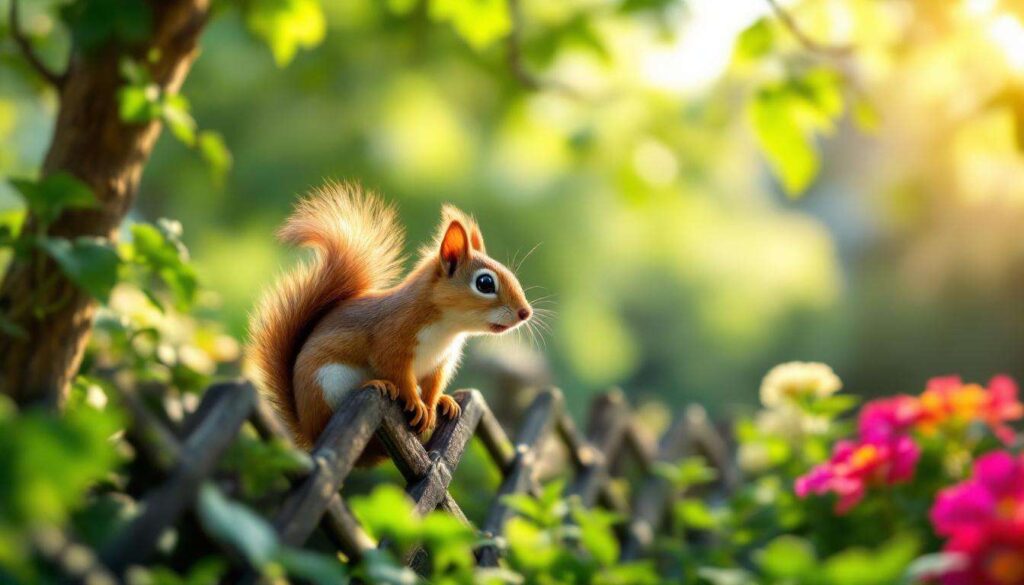
A squirrel darting across your lawn or perched on a fence post might seem like an ordinary sight, yet these nimble creatures carry layers of meaning that extend far beyond their playful antics. Whether you notice them burying acorns near your flower beds or chattering from tree branches, their presence in your garden reflects a complex interplay of ecological necessity, behavioral patterns, and cultural symbolism. Understanding why squirrels choose your outdoor space as their habitat can deepen your appreciation for these bushy-tailed visitors and inform how you share your environment with them.
Symbolic meaning of a squirrel visit
Preparation and resourcefulness
Squirrels have long been associated with preparation and foresight across various traditions. Their habit of gathering and storing food for winter months makes them powerful symbols of planning ahead and resource management. When a squirrel appears in your garden, some interpret this as a reminder to:
- Assess your own preparedness for future challenges
- Consider whether you are managing resources wisely
- Evaluate your savings and long-term planning strategies
- Recognize the importance of hard work and persistence
Playfulness and energy
Beyond their industrious nature, squirrels embody playfulness and vitality. Their acrobatic leaps and energetic movements can symbolize the need to inject more joy and spontaneity into daily life. Observing a squirrel’s carefree behavior might serve as an invitation to balance serious responsibilities with lighthearted moments and to approach obstacles with agility rather than rigid resistance.
These symbolic interpretations naturally lead to examining the actual behaviors that make squirrels such frequent garden visitors.
The behavior of squirrels in your garden
Foraging patterns and food sources
Squirrels visit gardens primarily in search of food and shelter. Their foraging behavior follows predictable patterns based on seasonal availability. During autumn, they intensify their search for nuts, seeds, and fruits to cache for winter. Your garden may attract them if it contains:
- Oak, hickory, or walnut trees producing nuts
- Bird feeders with accessible seeds
- Fruit trees or berry bushes
- Vegetable gardens with corn or tomatoes
- Flower bulbs that provide nutritional value
Territorial and social dynamics
Squirrels establish territories that they defend from other squirrels, though these boundaries remain somewhat flexible. A squirrel repeatedly visiting your garden has likely incorporated your space into its home range, which typically spans several acres. Their social behavior includes vocalizations such as chattering or barking, which serve as warnings to competitors or alerts about potential predators.
| Behavior | Purpose | Frequency |
|---|---|---|
| Tail flicking | Communication and alarm signal | Multiple times daily |
| Caching food | Winter preparation | Peak in autumn |
| Nest building | Shelter and breeding | Spring and fall |
Understanding these behavioral patterns provides context for the broader ecological factors that draw squirrels to specific locations.
Ecological reasons for the presence of squirrels
Habitat requirements and availability
Squirrels thrive in environments that meet their basic survival needs. Your garden likely offers critical habitat elements that make it attractive to these rodents. Mature trees provide nesting sites in cavities or support leaf nests called dreys. Dense shrubs offer protective cover from predators such as hawks, cats, and foxes. Water sources, whether from birdbaths, ponds, or irrigation systems, become essential during dry periods.
Urban adaptation and food security
As natural habitats face increasing development pressure, squirrels have demonstrated remarkable adaptability to urban and suburban environments. Gardens represent crucial refuges where food sources remain relatively abundant and predictable. The reduction of natural predators in residential areas has allowed squirrel populations to flourish. Your garden may serve as part of a wildlife corridor connecting fragmented green spaces, enabling squirrels to move safely between feeding and nesting areas.
The ecological role squirrels play extends beyond their own survival needs to influence the broader environment around them.
How squirrels impact local biodiversity
Seed dispersal and forest regeneration
Squirrels function as inadvertent gardeners through their caching behavior. They bury thousands of nuts and seeds annually, forgetting the location of many caches. These forgotten stores germinate into new trees and plants, contributing significantly to forest regeneration and plant diversity. Studies indicate that squirrels may forget up to 25 percent of their caches, which translates into substantial seed dispersal across landscapes.
Food web connections
Within local ecosystems, squirrels occupy an important position in food webs. They serve as prey for various predators, supporting populations of:
- Red-tailed hawks and other raptors
- Foxes and coyotes
- Domestic and feral cats
- Snakes in some regions
Competition and garden impacts
While squirrels contribute positively to ecosystems, they can also create challenges for gardeners and compete with other wildlife. They may raid bird feeders, dig up bulbs, strip bark from trees, and consume fruits before harvest. Their presence can discourage some bird species from visiting feeders, though many birds and squirrels coexist without significant conflict.
Recognizing both the benefits and challenges squirrels present helps inform practical approaches to sharing garden spaces with them.
Measures to adopt for cohabitation with squirrels
Creating boundaries without harm
Peaceful coexistence with squirrels requires strategic management rather than elimination. Physical barriers offer effective protection for vulnerable plants without harming wildlife. Consider implementing:
- Wire mesh cages around bulbs and young plants
- Squirrel-proof bird feeders with weight-activated mechanisms
- Tree guards to prevent bark stripping
- Netting over fruit trees during ripening periods
Providing alternative resources
Designating specific areas for squirrels can reduce their impact on prized plants. Installing a squirrel feeder stocked with corn and nuts in a corner of your property may redirect their attention. Planting extra vegetables or maintaining a section of your garden specifically for wildlife creates a shared space that acknowledges their needs while protecting your priorities.
| Strategy | Effectiveness | Cost |
|---|---|---|
| Squirrel-proof feeders | High for bird seed protection | Moderate to high |
| Physical barriers | Very high for specific plants | Low to moderate |
| Alternative feeding stations | Moderate for redirection | Low |
These practical considerations complement the deeper cultural meanings humans have attributed to squirrels throughout history.
Cultural and spiritual interpretations of squirrels
Native American perspectives
Various Indigenous cultures view squirrels as symbols of preparation and trust. Some traditions associate them with gathering knowledge and storing wisdom for future use. The squirrel’s ability to find cached food months later represents memory and resourcefulness, qualities valued in survival and spiritual practice.
European folklore and symbolism
In European traditions, squirrels appear in folklore as clever, sometimes mischievous characters. Medieval bestiaries depicted them as examples of prudence and foresight. The red squirrel, native to Europe, held particular significance in Norse mythology, where the creature Ratatoskr carried messages up and down the world tree Yggdrasil, representing communication between realms.
Modern spiritual interpretations
Contemporary spiritual practices often interpret squirrel visits as messages or signs. Common interpretations include:
- A reminder to balance work with play
- Encouragement to prepare for upcoming changes
- A sign to be more social and communicative
- An invitation to trust in abundance rather than hoard from scarcity
Whether you embrace these symbolic meanings or view squirrels purely through an ecological lens, their presence in your garden reflects the interconnection between human spaces and the natural world.
The appearance of squirrels in your garden encompasses multiple dimensions of meaning, from their practical search for food and shelter to the symbolic messages various cultures have attributed to them. These adaptable creatures play vital ecological roles through seed dispersal and their position in food webs, while their behavior offers insights into wildlife adaptation in human-dominated landscapes. By understanding both the biological drivers and cultural interpretations of squirrel visits, you can develop informed strategies for cohabitation that respect their needs while protecting your garden. Whether you see them as spiritual messengers, ecological engineers, or simply resourceful neighbors, squirrels remind us that our outdoor spaces exist within larger natural systems that benefit from thoughtful stewardship and shared use.