



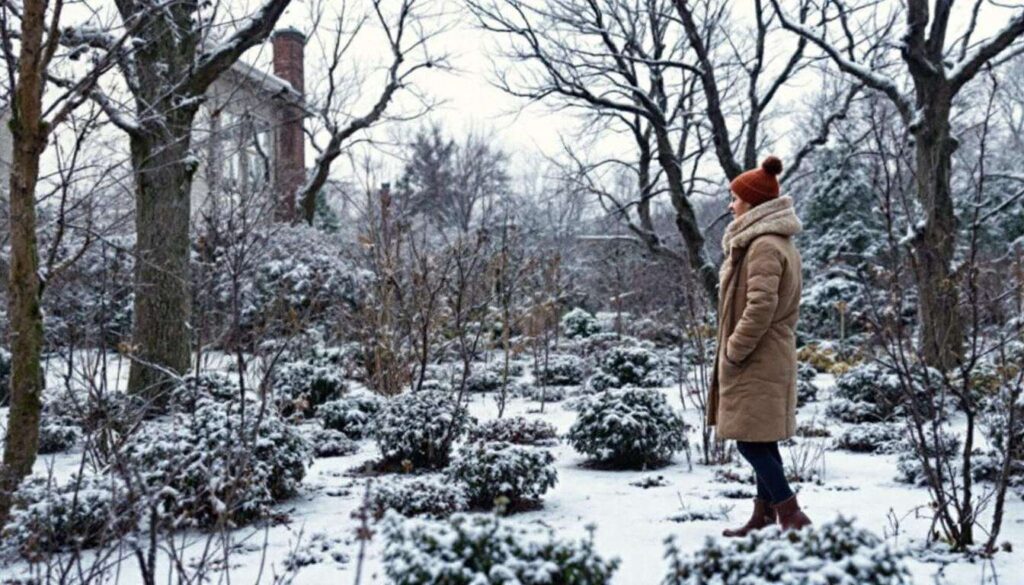
The first warm days of late winter can deceive even experienced gardeners into rushing their planting schedules. That surge of optimism when temperatures climb and soil begins to thaw often triggers premature action in the garden. This eagerness, while understandable, represents one of the most damaging habits that quietly sabotages harvest success year after year. The impulse to get seeds and seedlings into the ground as soon as possible ignores the unpredictable nature of late-season weather patterns and the vulnerability of young plants to sudden temperature drops.
Understanding the effects of late frosts
The science behind frost damage
Late frosts occur when temperatures drop below freezing after a period of warmer weather. These unexpected cold snaps cause cellular damage within plant tissues as ice crystals form inside cells, rupturing their walls and destroying their structure. Young seedlings and tender transplants suffer the most severe consequences because their cells contain higher water content and lack the protective mechanisms that mature plants develop over time.
The damage manifests in several ways:
- Blackened, wilted foliage that appears water-soaked
- Stunted growth patterns that persist throughout the season
- Complete plant death in severe cases
- Reduced fruit and vegetable production even when plants survive
- Increased susceptibility to diseases and pest infestations
Critical temperature thresholds
Different crops exhibit varying levels of frost tolerance, making it essential to understand which plants can withstand cold exposure. Hardy vegetables like kale, spinach, and peas tolerate temperatures down to 28°F without significant damage. Semi-hardy crops such as lettuce and broccoli survive brief exposures to 30-32°F. Tender plants including tomatoes, peppers, and cucumbers suffer injury at temperatures below 40°F and experience severe damage or death at 32°F or lower.
| Plant Category | Minimum Safe Temperature | Common Examples |
|---|---|---|
| Hardy | 25-28°F | Kale, spinach, peas, onions |
| Semi-hardy | 29-32°F | Lettuce, carrots, beets, broccoli |
| Tender | 33-40°F | Tomatoes, peppers, beans, squash |
Understanding these temperature sensitivities helps prevent the costly mistake of planting too early, which leads directly to examining the specific errors gardeners commonly make during this transitional period.
Common late-winter mistakes
Planting based on calendar dates rather than conditions
Many gardeners rely on fixed planting dates passed down through generations or printed on seed packets. This approach ignores annual weather variations and microclimate differences that can shift ideal planting windows by weeks. A date that worked perfectly one year might prove disastrous the next when an unexpected cold front arrives. Soil temperature, moisture levels, and long-range forecasts provide far more reliable indicators than arbitrary calendar markers.
Ignoring soil temperature requirements
Warm air temperatures create a false impression that soil has reached suitable planting conditions. However, soil warms much more slowly than air, and cold soil prevents seed germination, encourages rot, and stresses transplants. Seeds planted in soil below their minimum germination temperature simply sit dormant, becoming vulnerable to fungal diseases and pest damage while waiting for warmth.
Essential soil temperature guidelines include:
- Cool-season crops: minimum 40°F for germination
- Warm-season crops: minimum 60°F, optimal 70-85°F
- Measure soil temperature at planting depth for accuracy
- Check temperatures for three consecutive days to ensure stability
Underestimating the last frost date range
The published last frost date for any region represents a statistical probability, not a guarantee. Typically, this date indicates when there is a 50% chance that frost will not occur. This means half the time, frost arrives after this date. Conservative gardeners add two weeks to the average last frost date when planting tender crops, significantly reducing risk while sacrificing only minimal growing time.
These common errors point toward the importance of making informed decisions about what to plant and when, which requires careful consideration of crop selection strategies.
Optimizing spring planting choices
Succession planting strategies
Rather than planting everything simultaneously in late winter, succession planting spreads risk across multiple planting dates. This technique involves sowing small quantities of crops every 7-14 days, ensuring that if one planting suffers frost damage, others survive to produce a harvest. This approach also extends the harvest period, providing fresh produce over weeks or months rather than a single overwhelming abundance.
Selecting appropriate varieties
Plant breeders have developed cold-tolerant varieties specifically designed for early planting and unpredictable spring weather. These cultivars germinate in cooler soil, withstand temperature fluctuations, and mature quickly to beat summer heat. Choosing varieties labeled as “early,” “cold-hardy,” or “spring” types provides an advantage when dealing with uncertain weather patterns.
Variety selection considerations include:
- Days to maturity matched to your growing season length
- Disease resistance appropriate to spring conditions
- Bolt resistance for crops sensitive to temperature swings
- Compact growth habits for easier protection under row covers
Container gardening flexibility
Growing crops in containers offers unmatched flexibility during unpredictable spring weather. Containers can be moved to protected locations when frost threatens, placed in sunny spots to maximize warmth, and brought indoors if necessary. This mobility allows gardeners to start plants earlier while maintaining the ability to respond quickly to changing conditions.
While choosing the right plants matters tremendously, implementing protective practices provides another layer of security against late-winter challenges.
Adopting resilient farming practices
Protective covering systems
Physical barriers create microclimates that shield plants from frost, wind, and temperature extremes. Row covers made from lightweight fabric trap heat while allowing light and moisture penetration. Cold frames and low tunnels provide more substantial protection, raising temperatures by 5-15°F and extending the growing season at both ends. These structures require minimal investment but deliver significant protection during vulnerable periods.
Hardening off procedures
Plants started indoors or purchased from greenhouses need gradual acclimation to outdoor conditions before permanent planting. This hardening off process involves exposing plants to outdoor temperatures, sunlight, and wind for increasing periods over 7-10 days. Beginning with just one hour of outdoor exposure and gradually extending to full days and nights prepares plants to withstand environmental stresses they never experienced in protected environments.
Soil preparation techniques
Well-prepared soil supports stronger, more resilient plants capable of surviving stress. Adding organic matter improves drainage in heavy soils that stay cold and wet in spring, while enhancing moisture retention in sandy soils that dry quickly. Raised beds warm faster than ground-level gardens, advancing planting dates by one to two weeks. Dark mulches absorb solar radiation, further warming soil and protecting roots from temperature fluctuations.
These protective measures work best when combined with the often-overlooked virtue of strategic timing, which frequently determines the difference between success and failure.
The benefits of patience for a successful harvest
Faster growth from delayed planting
Plants installed in properly warmed soil with stable temperatures grow faster than those planted weeks earlier in cold conditions. Seeds germinate within days rather than weeks, transplants establish quickly without transplant shock, and vigorous growth begins immediately. In many cases, crops planted two weeks later catch up to and surpass earlier plantings that struggled through cold, wet conditions.
Reduced disease and pest pressure
Cold, wet soil creates ideal conditions for damping-off diseases, root rots, and fungal infections that devastate young plants. Waiting for warm, dry conditions minimizes these disease pressures significantly. Additionally, many early-season pests remain dormant in cold soil, so later planting avoids the initial pest surge while beneficial insect populations have time to establish.
Long-term yield improvements
Healthy plants that establish without stress produce more abundant harvests than those that survive early hardships. The energy plants expend recovering from cold damage, disease, or pest attacks reduces their productive capacity throughout the season. Patient gardeners who wait for optimal conditions consistently harvest more total produce despite shorter growing periods.
Implementing patience effectively requires structured planning that removes guesswork and emotional decision-making from the planting process.
Planning your gardening calendar
Creating a customized planting schedule
A personalized planting calendar based on local conditions eliminates the temptation to plant prematurely. Record your area’s average last frost date, then work backward to determine indoor seed-starting dates and forward to establish safe outdoor planting windows. Document actual weather patterns, soil temperatures, and planting successes each year to refine your schedule continuously.
Monitoring weather patterns
Modern weather forecasting provides valuable tools for timing spring planting. Extended forecasts showing 10-14 day outlooks help identify stable weather patterns suitable for planting. Soil temperature data from local weather stations or personal soil thermometers removes guesswork from planting decisions. Frost probability maps and historical climate data reveal trends that calendar dates alone cannot capture.
Building flexibility into your plan
Even the best planning cannot account for every weather anomaly. Building flexibility into gardening schedules prevents disappointment when conditions don’t cooperate. Maintain backup seedlings for replanting if frost strikes, keep protective materials readily available, and accept that some years require patience beyond normal expectations. Successful gardeners adapt to conditions rather than forcing plants into unsuitable environments.
The late-winter rush to plant represents an understandable but ultimately counterproductive response to changing seasons. Frost damage, premature planting mistakes, and impatience create cascading problems that diminish harvests despite good intentions. Understanding temperature requirements, selecting appropriate crops and varieties, implementing protective practices, and exercising strategic patience consistently produce superior results. A well-planned gardening calendar based on actual conditions rather than wishful thinking transforms spring planting from a gamble into a calculated strategy that maximizes success while minimizing losses.