


Gardeners and food enthusiasts across Britain have been rediscovering a remarkable vegetable that has quietly flourished in local gardens for generations. This hardy plant not only adapts beautifully to the unpredictable British weather but also delivers an exceptional flavor that rivals far more celebrated vegetables. The mystery vegetable in question is kohlrabi, a member of the brassica family that deserves far more attention than it currently receives. With its distinctive bulbous stem and crisp texture, kohlrabi offers a unique combination of mild sweetness and subtle peppery notes that make it incredibly versatile in the kitchen.
Introduction to this mystery vegetable
What exactly is kohlrabi ?
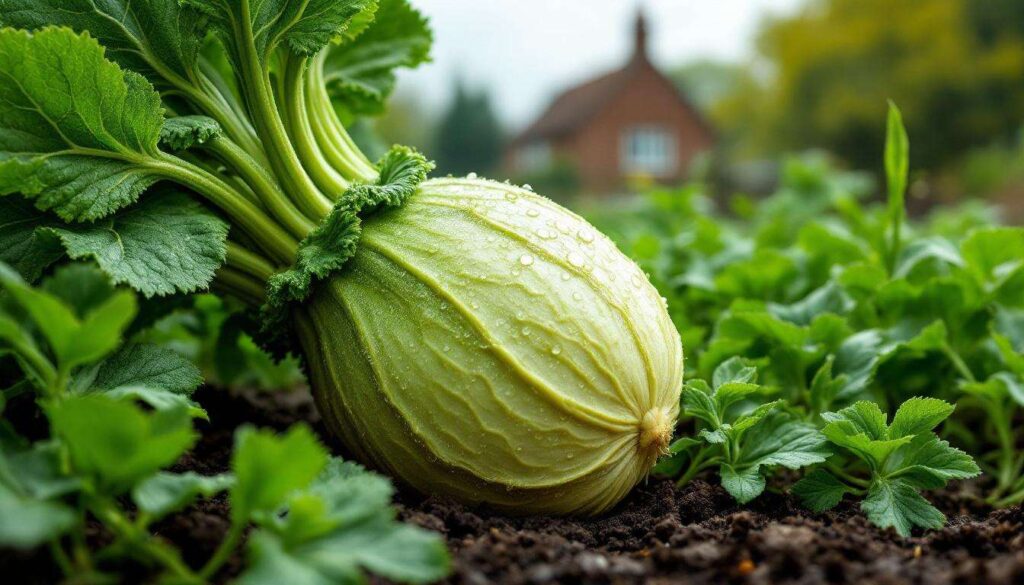
Kohlrabi, whose name derives from the German words for cabbage and turnip, presents an unusual appearance that often confuses first-time observers. The edible portion is actually a swollen stem that grows above ground, ranging in color from pale green to deep purple. Unlike root vegetables, kohlrabi develops its characteristic bulb just above the soil line, with leaves sprouting directly from the rounded stem.
Historical background and cultivation
This vegetable has been cultivated in Europe since the sixteenth century, though it never achieved the widespread popularity of its brassica relatives like cabbage or broccoli. The plant belongs to the Brassica oleracea species, making it a close cousin to:
- Broccoli and cauliflower
- Brussels sprouts and kale
- Cabbage and collard greens
- Turnips and rutabagas
Despite its relative obscurity in mainstream British cuisine, kohlrabi has maintained a loyal following among dedicated gardeners who appreciate its reliability and distinctive taste. The vegetable’s ability to thrive in cooler temperatures makes it particularly well-suited to the British Isles, where it can be grown successfully from spring through autumn.
An ideal British climate for cultivation
Perfect growing conditions
The British climate provides exceptional conditions for kohlrabi cultivation. This vegetable prefers cool to moderate temperatures, typically thriving when daytime temperatures range between 15°C and 24°C. Unlike many vegetables that struggle with Britain’s frequent rainfall and overcast skies, kohlrabi actually benefits from consistent moisture and moderate sunlight.
Seasonal advantages
Kohlrabi can be planted in multiple seasons throughout the British growing calendar:
- Spring planting: Seeds sown in March or April produce tender bulbs by early summer
- Summer succession: Continuous planting every three weeks ensures a steady harvest
- Autumn crops: Late summer sowings provide fresh vegetables well into October
- Winter varieties: Hardy cultivars can withstand light frosts
Resilience to common challenges
British gardeners face numerous challenges, from unpredictable weather to persistent pests. Kohlrabi demonstrates remarkable resilience against many common problems. The plant grows relatively quickly, reaching maturity in approximately eight to ten weeks, which helps it avoid many seasonal pests. Its compact growth habit makes it suitable for smaller gardens and allotments where space is limited.
| Growing Factor | Optimal Condition | British Climate Match |
|---|---|---|
| Temperature | 15-24°C | Excellent |
| Moisture | Consistent | Excellent |
| Sunlight | Partial to full | Good |
| Soil pH | 6.0-7.5 | Excellent |
Understanding the nutritional benefits of kohlrabi adds another compelling reason to grow this adaptable vegetable.
Nutrition values not to be overlooked
Impressive vitamin and mineral content
Kohlrabi delivers an exceptional nutritional profile that rivals many more popular vegetables. A single cup of raw kohlrabi provides nearly the entire recommended daily intake of vitamin C, making it a powerful immune system supporter. The vegetable also contains significant amounts of vitamin B6, potassium, and copper.
Low calorie, high fiber benefits
For those monitoring their caloric intake, kohlrabi presents an ideal option. The vegetable contains approximately 36 calories per cup while providing substantial dietary fiber. This combination makes it particularly valuable for:
- Weight management programs
- Digestive health improvement
- Blood sugar regulation
- Cardiovascular wellness
Antioxidant properties
As a member of the brassica family, kohlrabi contains glucosinolates, compounds that have been studied for their potential health-protective properties. These phytonutrients contribute to the vegetable’s mild peppery flavor while potentially offering cellular protection benefits. The purple varieties contain additional anthocyanins, the same antioxidants found in berries and red cabbage.
With such impressive nutritional credentials established, the question becomes how to best enjoy this versatile vegetable.
Tips for incorporating this vegetable into your diet
Raw preparation methods
Kohlrabi shines when eaten raw, offering a crisp, refreshing texture similar to water chestnuts or jicama. To prepare kohlrabi for raw consumption, simply peel away the tough outer skin with a vegetable peeler or sharp knife, then slice or julienne the pale flesh beneath. The raw vegetable works beautifully in:
- Fresh salads with vinaigrette dressings
- Coleslaw variations replacing traditional cabbage
- Crudité platters with hummus or yogurt dips
- Quick pickles with vinegar and spices
Cooked applications
While raw kohlrabi impresses, cooking transforms the vegetable into something equally delightful. The mild flavor intensifies slightly when heated, developing a subtle sweetness. Popular cooking methods include roasting at high temperatures to caramelize the natural sugars, steaming to preserve nutrients, or sautéing with butter and herbs.
Storage and selection
Choose kohlrabi bulbs that feel heavy for their size and display firm, unblemished skin. Smaller bulbs, typically 7-10 centimeters in diameter, offer the most tender texture. Store unwashed kohlrabi in the refrigerator crisper drawer, where it will maintain quality for several weeks.
Armed with these practical tips, exploring specific recipes becomes the natural next step.
Delicious and simple recipes
Kohlrabi and apple slaw
This refreshing side dish combines julienned kohlrabi with tart apples, creating a perfect accompaniment to grilled meats or fish. Simply toss the vegetables with a dressing made from Greek yogurt, lemon juice, honey, and fresh dill. The combination of crunchy kohlrabi and sweet-tart apple creates an addictive texture contrast.
Roasted kohlrabi wedges
Transform kohlrabi into crispy, caramelized wedges by cutting peeled bulbs into thick slices, tossing with olive oil and sea salt, then roasting at 220°C for 25-30 minutes. The high heat creates golden-brown edges while maintaining a tender interior. Serve with:
- Garlic aioli for dipping
- Grated Parmesan cheese
- Fresh herbs like thyme or rosemary
- A squeeze of lemon juice
Creamy kohlrabi soup
This comforting soup showcases kohlrabi’s subtle flavor. Sauté diced kohlrabi with onions and garlic, add vegetable stock, simmer until tender, then blend until smooth. Finish with cream and fresh chives for an elegant starter that highlights the vegetable’s natural sweetness.
These recipes represent just the beginning, as professional chefs continue discovering new applications for this versatile ingredient.
The growing success among chefs and gourmets
Restaurant trends and innovation
Progressive chefs across Britain have embraced kohlrabi as a signature ingredient in contemporary cuisine. High-end restaurants feature the vegetable in unexpected applications, from paper-thin carpaccio to complex purees that accompany premium proteins. The vegetable’s ability to absorb flavors while maintaining its distinctive character makes it invaluable in professional kitchens.
Farm-to-table movement
The emphasis on locally sourced, seasonal produce has significantly boosted kohlrabi’s profile among food enthusiasts. Farmers’ markets throughout Britain now regularly feature both green and purple varieties, often selling out quickly as awareness grows. Dedicated growers report increasing demand from both home cooks and restaurant buyers.
Social media influence
Food bloggers and Instagram influencers have helped demystify kohlrabi for younger audiences. Visually striking purple varieties photograph beautifully, while creative recipe demonstrations showcase the vegetable’s versatility. This digital exposure has introduced kohlrabi to demographics who might never have encountered it otherwise.
Kohlrabi represents a genuine success story in British horticulture and cuisine. This underappreciated vegetable thrives in the local climate, requires minimal fuss to grow, and delivers exceptional nutritional benefits alongside outstanding flavor. Whether enjoyed raw in salads, roasted until caramelized, or transformed into elegant soups, kohlrabi offers versatility that few vegetables can match. As more gardeners plant this reliable crop and more cooks discover its culinary potential, kohlrabi seems poised to transition from mystery vegetable to mainstream favorite. The combination of easy cultivation, impressive nutrition, and delicious taste makes a compelling case for giving this distinctive brassica the attention it deserves in British gardens and kitchens alike.